When I first heard the topic of “Digital Transformation of Film and Television”, I felt a little confused. I didn’t have a particularly deep understanding of the history of film and television before. It was not until I saw a timeline chart of the development of film and television in class that I began to slowly realize that these viewing experiences that I took for granted as a child actually had so many technological changes behind them. (Figure 1)

Figure 1: Timeline of Digital Transformation (as presented in lecture)
In my memory, when I was a child, there was a heavy square TV at home. When I wanted to play my favourite cartoons, I had to insert the disc into the “DVD” box. At that time, the choices were actually very limited. Later, TV channels appeared, and I was particularly looking forward to the cartoons broadcast on a regular basis every day. It was not until I was a teenager that I began to have an impression of the cinema, where there were more shocking audio-visual effects. For me, movies were once a “special entertainment”, but I never went deep into the shooting techniques or the design behind movies.
With the help of the teacher’s explanation and the reading materials, I realized the long history of the development of film and television, and saw how the rise of digital technology has transformed film and television from analog to digital, bringing many unexpected changes. Rodowick (2015) pointed out that digital movies are essentially different from traditional movies in terms of aesthetics, and it can even be said that movies are “disappearing”. In the post-movie age, movies are no longer limited to cinemas. We can watch short videos on mobile phones, browse clips on social media, and even experience interactive plots in games. Movies span virtual forms of multiple media and bring rich possibilities. “Ready Player One” and “Spider-Man: Into the Spider-Verse” are good examples – one combines virtual reality with games (Figures 2 and 3), and the other is diversified and innovative in animation style (Figures 4 and 5), and has also triggered a lot of online discussions and secondary creations.
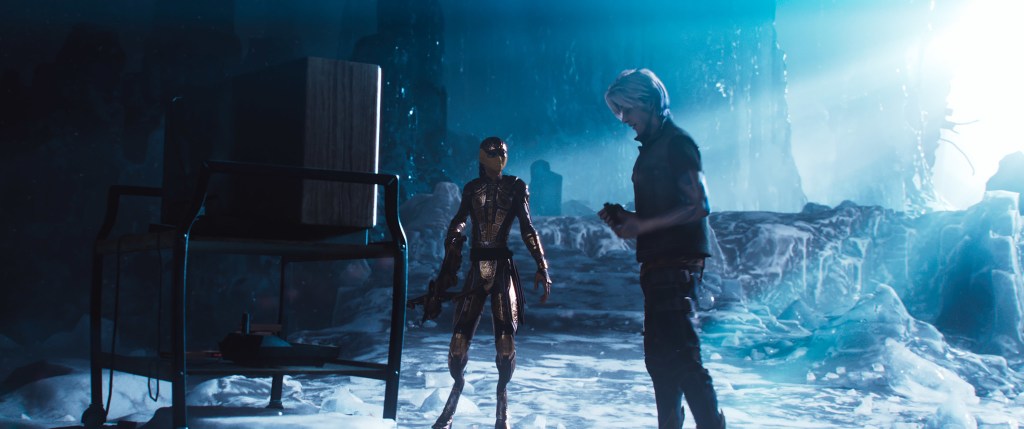
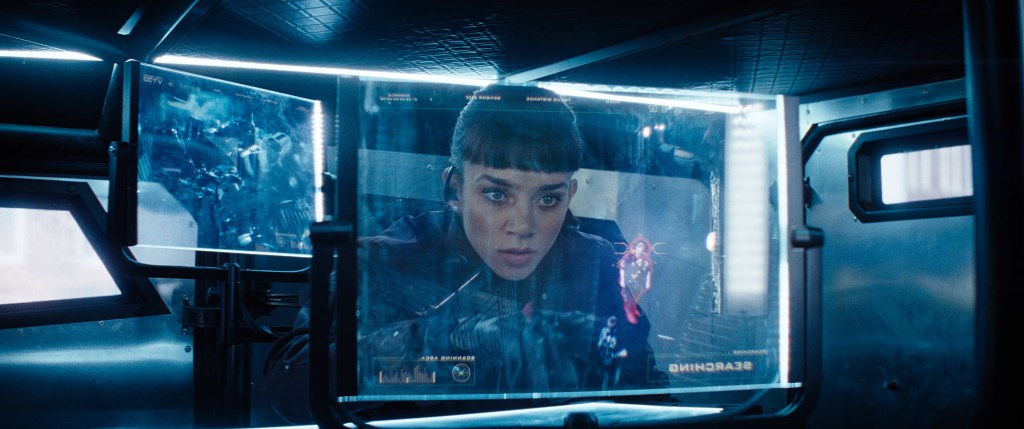
Figures 2 and 3: Ready Player One (Scenes from the film)
Image source:
https://www.imdb.com/title/tt1677720/mediaviewer/rm3517007872/?ref_=tt_mi_sm
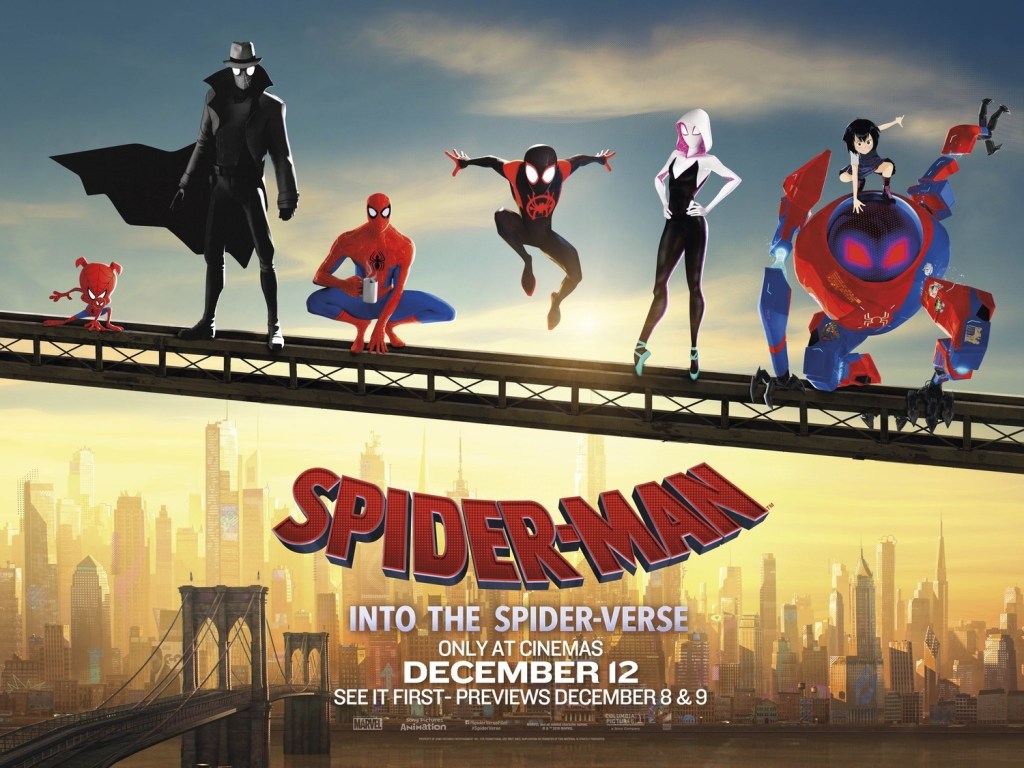
Figure 4: Spider-Man: Into the Spider-Verse
Image source: https://www.imdb.com/title/tt4633694/mediaviewer/rm2578149376/

Figure 5: YouTube short videos featuring fan edits and remixes of Spider-Man: Into the Spider-Verse
Video source:
https://www.youtube.com/results?search_query=Ready+Player+One
While enjoying the convenience brought by these technologies, we also hope that we can reasonably balance this new digital experience with the special charm of traditional movies. As Denson and Leyda (2019) pointed out, although new media has brought rich interactivity and convenience, it is still necessary to cherish and maintain some unique characteristics of traditional movies, so as not to gradually disappear the unique experience of watching movies in the process of digitalization.
Reference List:
Manovich, L. (2002). What is New Media. In The Language of New Media (pp. 18-61). MIT Press.
Denson, S. and Leyda, J. (2019). ‘Perspectives on Post-Cinema: An introduction’. In Post-Cinema: Theorising 21st Century Film (pp. 1-19). Available at: reframe.sussex.ac.uk/wp-content/uploads/2019/05/POST-CINEMA_LO_RES.pdf [Accessed 12 Nov. 2024].
Rodowick, D. N. (2015). What Was Cinema. In The Virtual Life of Film (pp. 25-88). Harvard University Press.
By Shanjing Hu-33859586
 Digital Audiovisual Media Class Blog
Leave a comment