In today’s streaming world, binge-watching has become the norm, with platforms like Netflix leading the way. This once-unique way of consuming content has quickly transformed into an industry-defining trend, changing our viewing habits and reshaping the nature of television. This phenomenon is often referred to as the “Box Set Effect.”
The Origins of Binge-Watching TV Series
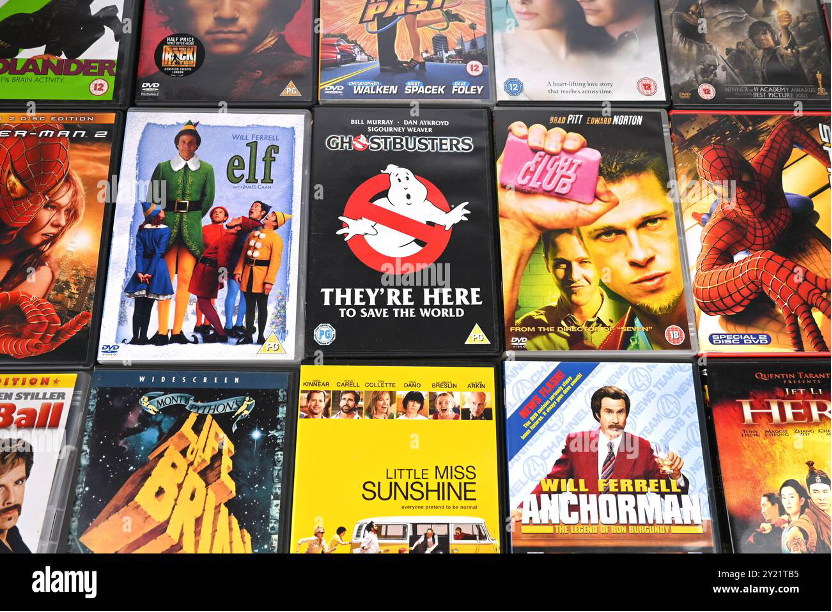
Before Netflix, watching an entire season of a show in one sitting was difficult, requiring DVD sets or recording devices to record the episodes. Although “timeshifted” and “box set” viewing began with satellite and cable, it was digital streaming platforms like Netflix that made binge-watching not only easy, but encouraged. Amanda Lotz (2014) highlights this shift, noting that the move to internet-distributed television freed viewers from having to wait week after week for a show to be shown.
The Psychological Appeal of Binge-Watching TV Series
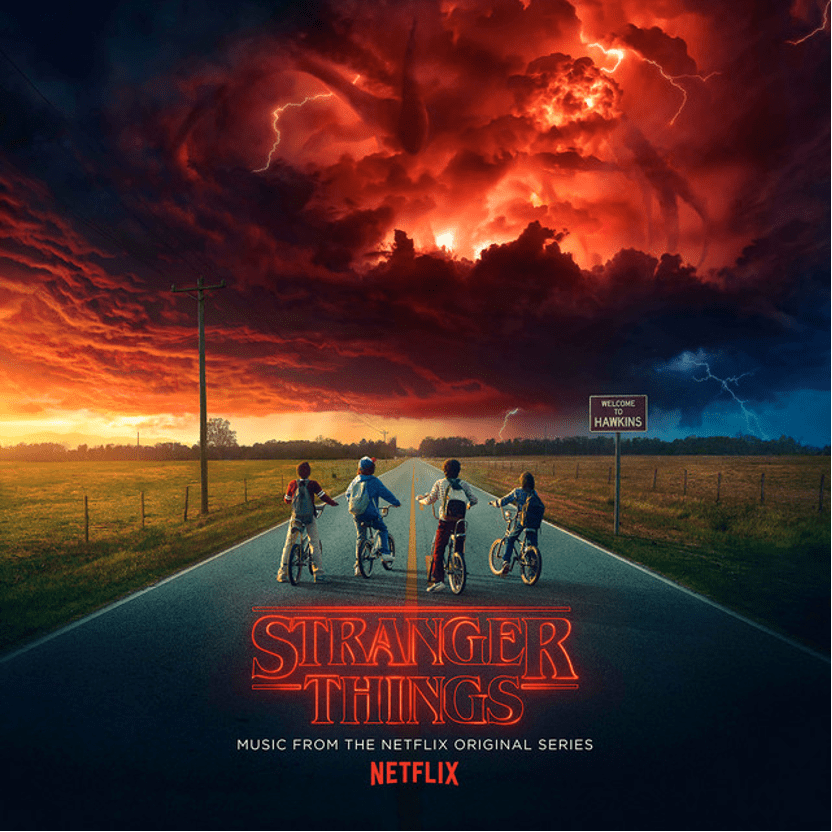
Another key point is psychological reward. Mareike Jenner (2023) describes the practice as satisfying an inherent desire for narrative closure. When a series is within reach, the urge to continue watching the next part of the story is almost irresistible, as it provides a sense of immersion and satisfaction that is different from fragmented viewing. This is why many of us spend entire weekends watching Stranger Things or Dark.

In fact, platforms such as Netflix have taken advantage of this behavior by introducing features that subtly encourage viewers to watch serially, such as autoplay. Although seemingly harmless, this design feature acts as a psychological nudge to keep viewers engaged and addicted for longer.
The Boxed Effect: Autonomy and Control in the Age of Streaming
Serial viewing also reflects the modern desire for autonomy and control. Today, platforms like Netflix put viewers in the driver’s seat. As discussed by Lotz (2014), this autonomy means that viewers are now able to customize their viewing experience rather than passively consuming the content that the network chooses to broadcast. Accordingly, Netflix’s choice to release entire seasons of series at once has spawned a collective binge culture: viewers can dive into plot theories, character arcs, and cliffhangers all at once. As explained in Jason Mittell (2015), this sustained engagement enables complex narrative structures that don’t work as well in traditional episodic formats.
Conclusion: The Future of Television Consumption
Streaming services such as Netflix offer viewers a sense of control and a deeper emotional connection to narratives, spawning a cultural phenomenon that has come to define the streaming age. But it has also attracted some criticism. For example, the rapid consumption of content may affect the depth of memory or reduce the pleasure of anticipation. In addition, the ready availability of entire seasons of series may lead to “content fatigue,” where the appeal of continued viewing diminishes over time.
References:
Jenner, M. (2023). Introduction: Netflix and the Re-invention of Television. In Netflix and the Re-invention of Television (pp. 21-52). Cham: Springer International Publishing.
Lotz, A. D. (2014). 2. Television outside the box: the technological revolution of television. In The Television Will Be Revolutionized, Second Edition (pp. 53-94). New York University Press.
Mittell, J. (2015). Complex TV: The Poetics of Contemporary Television Storytelling. New York University Press.
Sophia Ding 33809701
 Digital Audiovisual Media Class Blog
Leave a comment