WARNING: Some images may be disturbing to readers.
After the success of the first film, Smile, the production soon released a second movie in October of this year. Essentially, the Smile films are about a curse that manifests as a smile after witnessing a killing that passes from one person to another with an overarching metaphor of unresolved past trauma. With its violence, relatability to trauma, and fear factor, prevalent in the horror genre, the Smile films confront us with dramatic techniques and tropes in modern horror that influence our emotions, shaping our experience of “affect.”
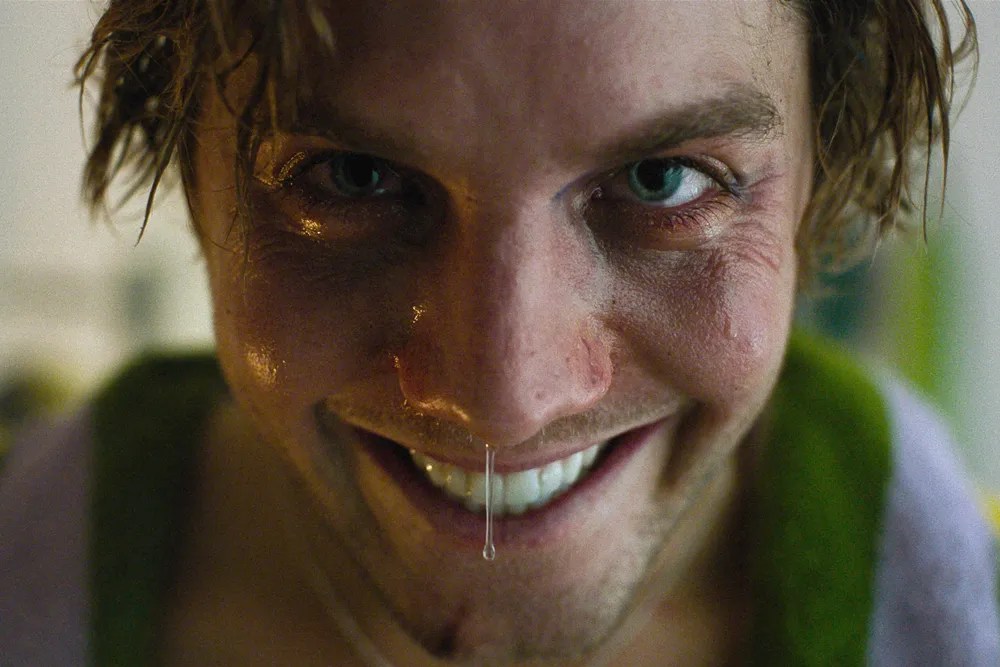
Shaviro argues that “Films and music videos…are machines for generating affect…or extracting value from this affect” (2010, pg. 3). Furthermore, Massumi differentiates affect from emotions, explaining that affect can take the form of our immediate, outward expressions while emotions are conscious, therefore the label of the feeling is captured by the subject. The Smile films generate affect in their use of a universal gesture of smiling in a way that creates disturbing and uneasy reactions. It twists our usual association of smiles with happiness into an unsettling catalyst for a horrific series of events.
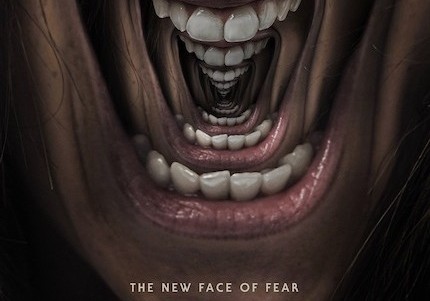
Shaviro also uses post-cinematic affect to account for changes triggered by digital technologies in the 21st century that have ultimately changed how we consume and react to film (pg. 2). Through digital technologies, the non-linear sequence of events makes the main character experience fragmented hallucinations that appear real. Therefore, the Smile films engage audiences using affect before we have time to process and understand what is really happening.


In addition, the films do not solely rely on traditional jump scares but on a lingering sense of affective dread with its visuals, eerie sound design, and VFX gore, which plays on our psychological fears. These affect the viewer, who can no longer distinguish between hallucination and reality, and provoke unconscious reactions, translating to an intensified sense of fear. The aid of digital technologies has accelerated post-cinematic affect and continues to shape how we interact with horror on a whole new level.
Written by Gladys Leger (33751421)
References
- Shaviro, S. (2010). Post-Cinematic Affect: On Grace Jones, Boarding Gate and Southland Tales. Film-Philosophy, 14(1), 1–102. https://doi.org/10.3366/film.2010.0001
- Finn, P. (Director). (2022). Smile. [Film]. Paramount Pictures.
- Finn, P. (Director). (2024). Smile 2. [Film]. Paramount Pictures.
 Digital Audiovisual Media Class Blog
Leave a comment