With the rise of streaming platforms, TV program production has gradually shifted toward high production costs and cinematic styles, blurring the boundaries between traditional TV and movies. This trend is called “TVIV” or the fourth stage of television (Jenner, 2016), marking the transition of television from the network age to the “post-network” age (Lotz, 2014). Whether on Netflix or the Chinese platform iQIYI, streaming platforms have enhanced the audience’s immersive experience through “high production value” and “cinematic” style.
Netflix’s Love, Death & Robots is an example. This science fiction short story collection tries different animation styles in each episode, from 3D to hand-drawn, making it a “laboratory” for exploring new narratives and artistic expressions. Each episode presents science fiction or surreal themes in a visually impactful style, giving viewers a movie-like immersive experience. (Figures 1, 2, 3, and 4)

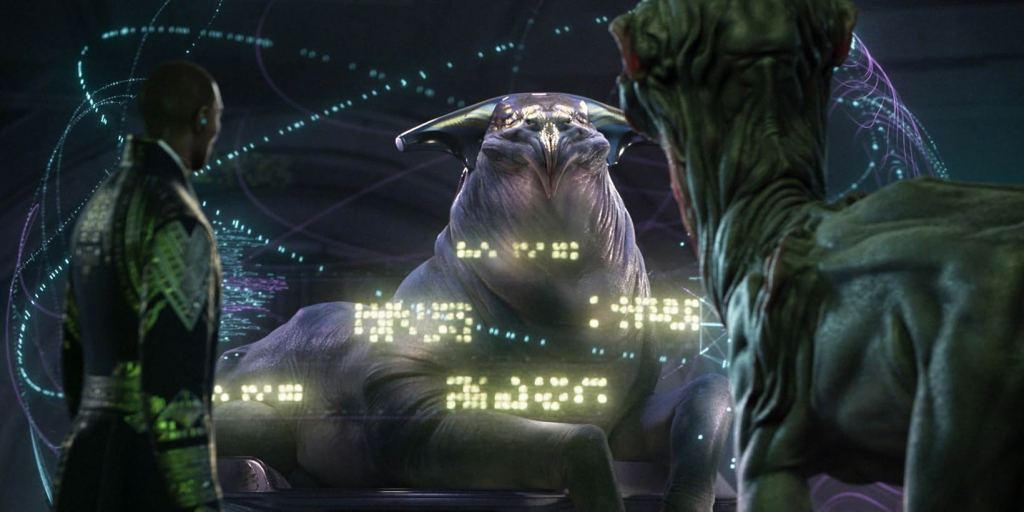


Figures 1, 2, 3, and 4: Love, Death & Robots (Scenes from the series)
Image source: https://www.imdb.com/title/tt9561862/mediaindex/?ref_=tt_mv_sm
Another representative work, Stranger Things, also demonstrates this “cinematic” trend. The high-quality special effects of the show, especially in the horror and science fiction scenes, and the audio-visual language are no less than those of movies. (Figures 5 and 6)
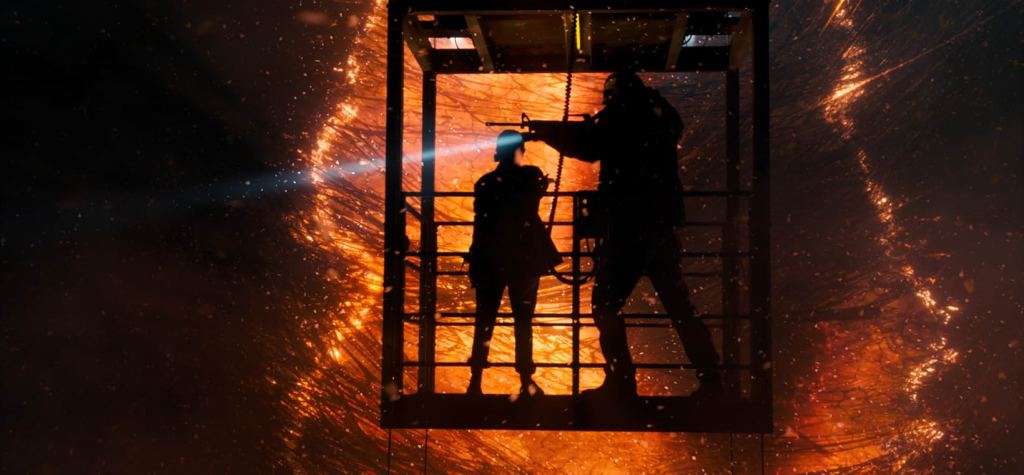
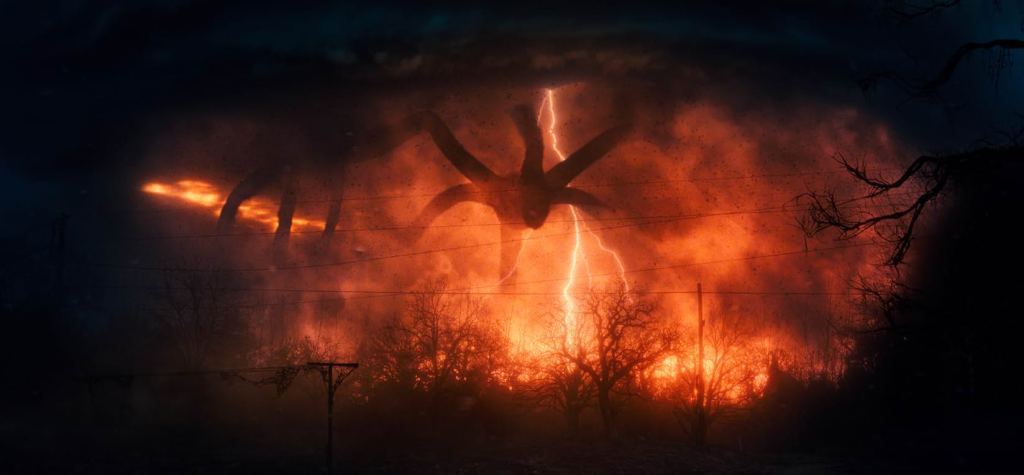
Figures 5 and 6: Stranger Things (Scenes from the series)
Image source: https://www.imdb.com/title/tt4574334/mediaindex/?ref_=tt_mv_close
Similar trends have also emerged on streaming platforms in China. For example, iQIYI launched the “Mist Theater” and “Love Theater”, which respectively showcase self-produced dramas in the suspense and romance categories. These themed theaters aggregate dramas of the same type and enhance the platform’s brand recognition. In addition, these dramas are often directly invested and produced by iQIYI and are exclusive to the platform, which not only ensures content ownership, but also improves audience engagement and further promotes the platform’s brand influence. (Figures 7 and 8)
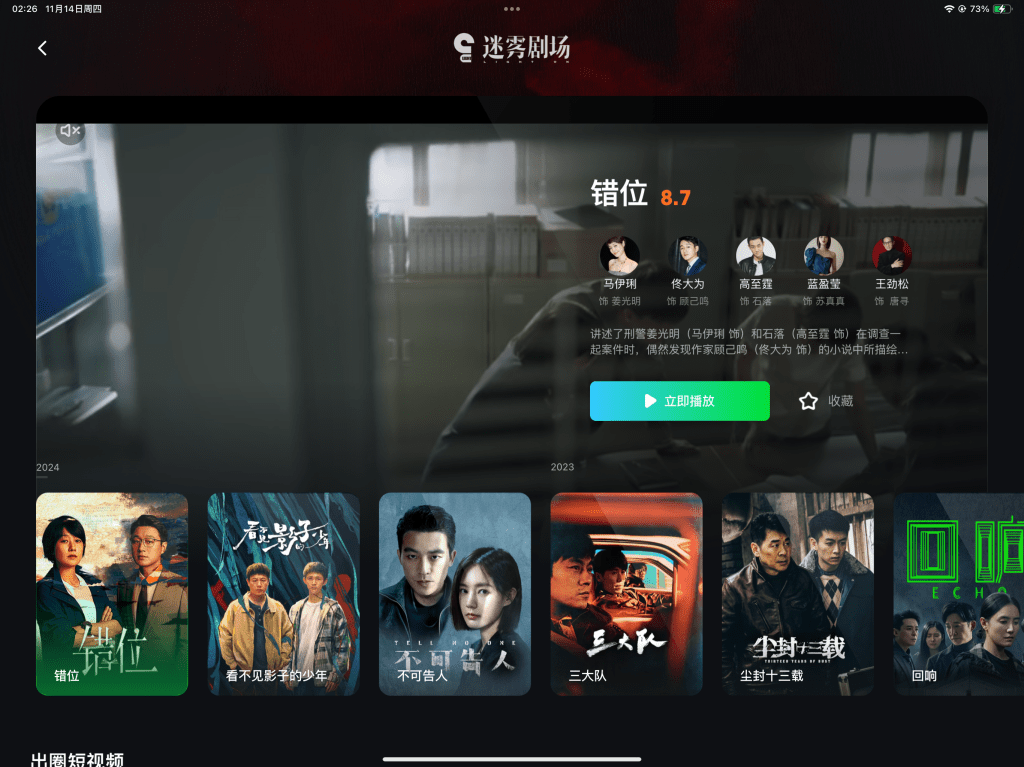
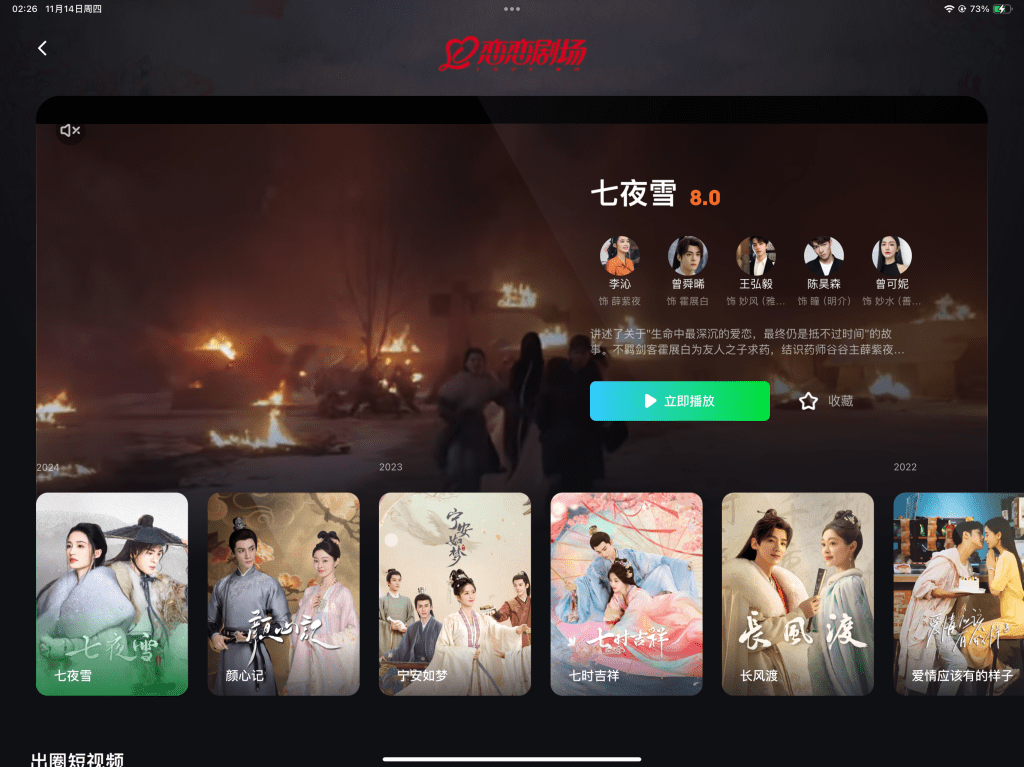
Figures 7 and 8: iQIYI Mist Theater and Love Theater sections
Image source: iQIYI Video Player
Among iQIYI’s “filmed” series, “Kidnapping Game” and “Detective Chinatown” are typical examples. These series are not only captivating in terms of narrative, but also enhance the audience’s sense of immersion through movie-level images and visual effects. For example, “Kidnapping Game” used a lot of dark tones, deep focus, and dramatic light and shadow processing when shooting, making the suspenseful atmosphere more intense. Unlike traditional TV series, these visual effects are usually seen in movies, which enhances the viewing and suspense tension of the series. As for the TV version of “Detective Chinatown“, this series continues the high-quality production of the movie version, and incorporates a large number of action scenes and visual effects. Many of the chase and fighting scenes in the play are all movie-level productions. This visual presentation method allows the audience to have an immersive feeling when watching, as if they were on the big screen. (Figures 9, 10, and 11, and Video)
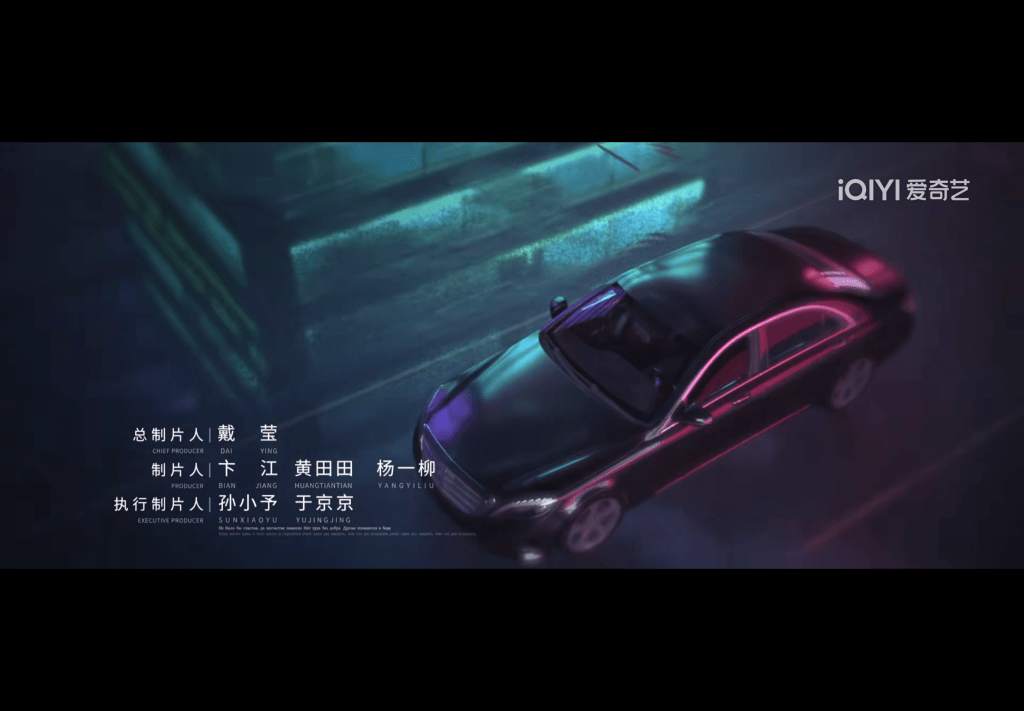
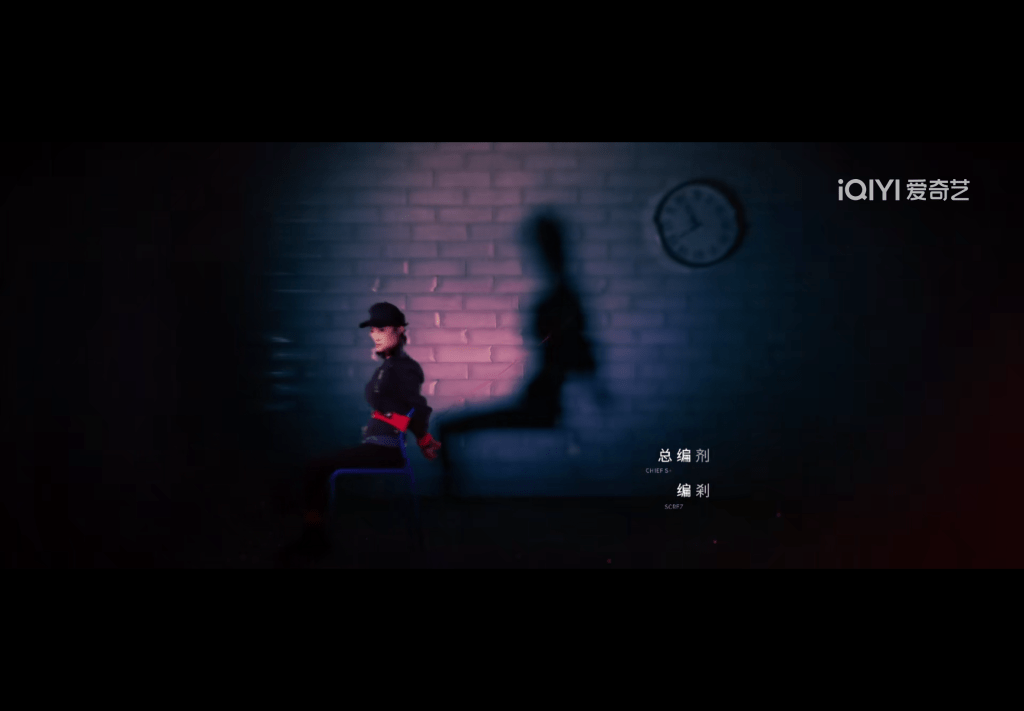
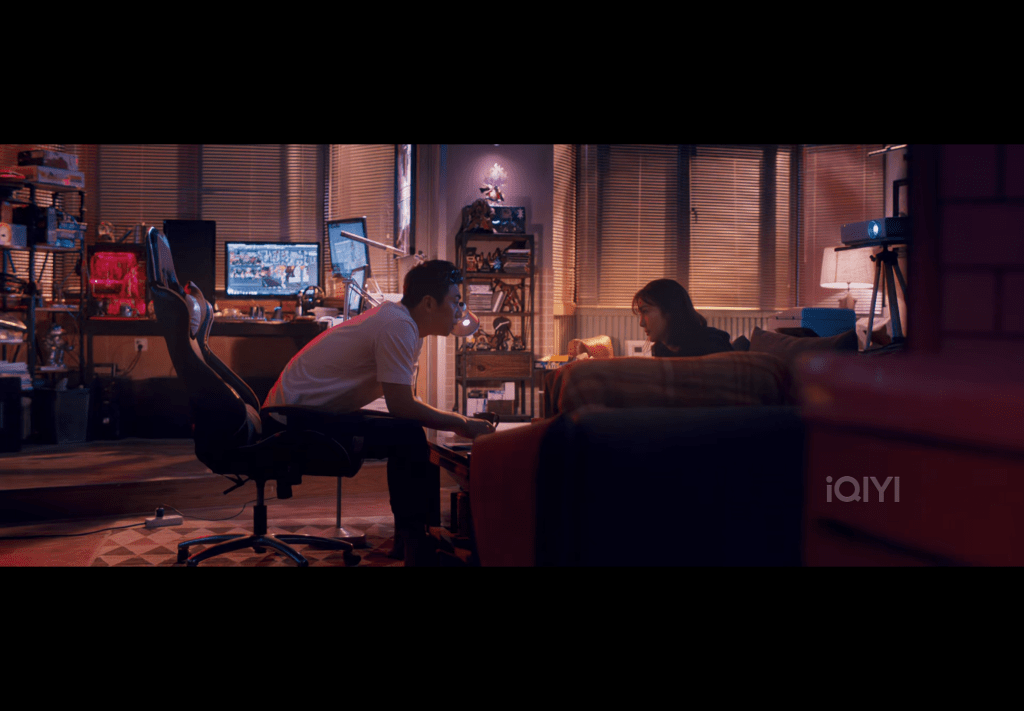
Figures 9, 10, and 11: Kidnapping Game (Scenes from the series)
Image source: iQIYI Video Player
Video: Trailer for Detective Chinatown series – published by iQIYI on YouTube
Video Source: https://www.youtube.com/watch?v=dbaoNzSwC9A
These high-quality dramas not only reinforce the brand positioning of the platform, but also allow viewers to experience the visual impact that traditional TV dramas cannot provide, breaking the stereotype of “fast-food” TV. Under this cinematic model, TV programs gradually provide big-budget effects close to movies. This raises the question whether future audiences will still regard this content as “TV”.
Reference List:
Lotz, A.D. (2017) ‘Theorizing the Nonlinear Distinction of Internet-Distributed Television’, Portals: A Treatise on Internet Distributed Television, Available at: https://quod.lib.umich.edu/m/maize/mpub9699689/ (Accessed: 24 October 2024).
Lotz, A.D. (2014) ‘Television Outside the Box: The Technological Revolution of Television’, The Television will be Revolutionized, 2nd edn, New York: NYU Press, pp. 53-94.
Jenner, M. (2016) ‘Is this TVIV? On Netflix, TVIII and binge-watching’, New Media & Society, 18(2), pp. 257-273.
Qiao, Hui. (2024) ‘An analysis of the development trend of iQIYI’s self-produced web dramas: A case study of Mist Theater’ [in Chinese], Cai Xie Bian, (04), pp. 182-184.
Huang, Yuru. (2023) ‘The cultural production of internet suspense drama brands: A case study of “Mist Theater”‘ [in Chinese], Mei Yu Shidai, (12), pp. 146-149. doi:10.16129/j.cnki.mysdx.2023.12.037.
By Shanjing Hu-33859586
 Digital Audiovisual Media Class Blog
Leave a comment