How has Netflix changed television?
By George Hewitt
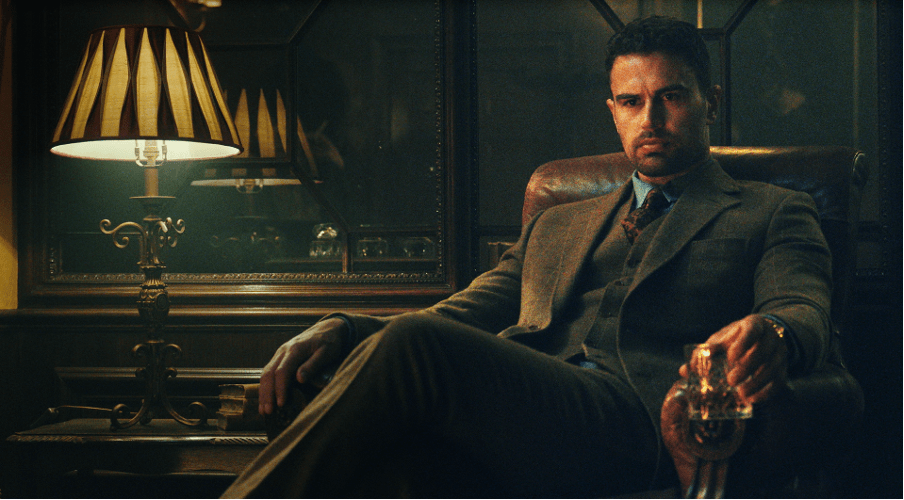
The ‘Netflixification’ of television has been going on for years, with binge-watching and spin-offs becoming more and more popular, tv has had to adapt to keep its audience happy. In the days of Timeshift television, programmes would air weekly at the same time on the same channel, and the viewer would have to fit their schedule around their favourite programmes in order to keep up to date. In the era of streaming, largely attributed to Netflix and their release of House of Cards in 2013, viewers do not have to leave time in their week to watch an episode, they can access television at any time and any place. As a result of this sudden shift, the shows themselves have had to rethink how programmes are structured, produced and distributed in order to maintain an audience.
Netflix released The Gentlemen in 2024, a spin-off of Guy Ritchie’s feature film The Gentlemen (2019) that follows a different set of characters within the same ‘universe’. What is clear with the Netflix original series is that programmes are becoming entangled with cinematic devices. Shorter seasons and longer episodes create a much more cinematic feel to television, with more expanded plot lines being able to take place in a single episode and the cinematography becoming a much more important component of the programme – tv must portray a ‘cinematic aesthetic’ to be considered ‘good television’.
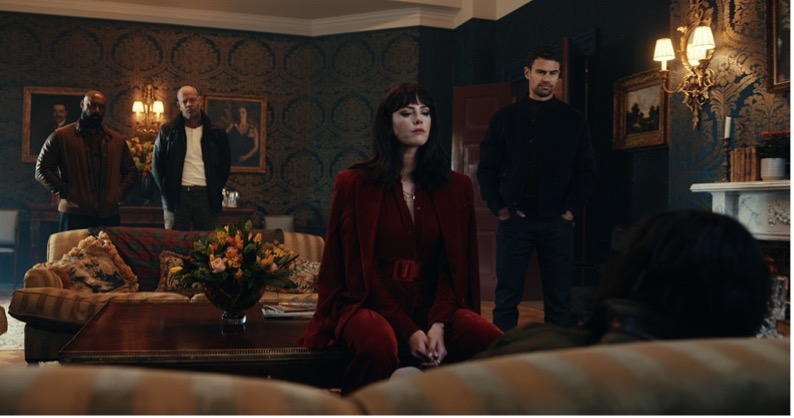

In this new television era, streaming services offer so much content that it creates the need for programmes to stand out. As Mittell phrases it, narrative special effect occurs when a programme flexes it’s storytelling muscles to confound and amaze the viewer. This idea of narrative special effect is an example of tv moving closer to cinema in the sense that programmes must adapt to the new television environment by using cinematic tools to define themselves as ‘quality tv’.
 Digital Audiovisual Media Class Blog
Leave a comment