Cinema has been prone to change throughout the years due to a number of factors such as development in technology along with streaming services. Shaviro argues the past of cinema has been surpassed by a new ‘cultural-technological regime’ Shaviro (2011). This connotes that the traditional editing linear way of film is being replaced by a new structural setting of the modern digital age, both through editing and filming along with special effects using advanced cameras and software.
Traditional filmmaking relied heavily on continuity editing—smooth transitions between shots, linear narratives, and the suspension of shock. However, in the post-cinematic age, these conventions are being replaced by a more fragmented, rapid, and sometimes incoherent style. With this development in the industry, it has become similar to ‘chaos cinema’ (Stork, 2011) as for example Christopher Nolan’s Inception (2010). This film is a key role in post modern aesthetics, using the manipulation of time along with special effects and manipulation. The film is hard to watch compared to a linear timeline, however, shows an over the top almost incoherent plot and focuses on the sensory overload.
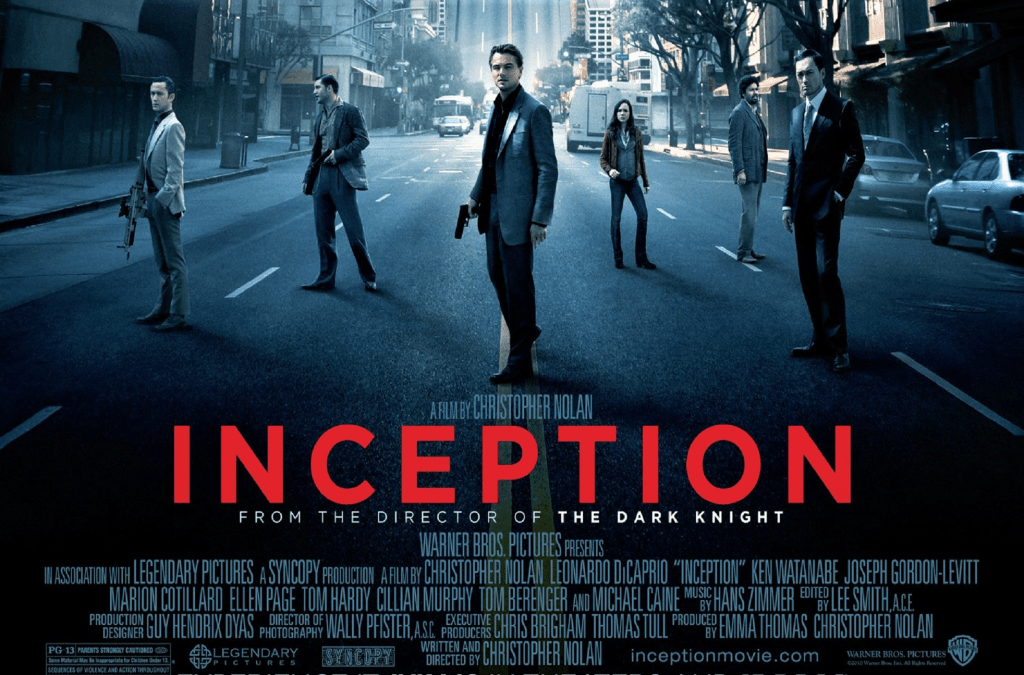
Post-cinematic cinema goes into a different realm of sci-fi for example and allows for more questions to be asked compared to a more simple plot. This new form of aesthetics leaves the viewer to interpret and represent (Roderick, 2007) the different ways each person would connect or even relate to the film.
In conclusion, post-cinematic era removes all boundaries of traditional forms and instead pushes a hypothetical world for the viewer to let their imagination to take over literal and explainable events. This allows directors such as Christopher Nolan to explore new possibilities for cinematic representation of gender, class and identity.
Bibliography:
Shaviro, S., 2011. ‘Post-Continuity: An introduction’, in T. de Marinis, P.L.A. Verstraten & S. Shaviro, eds. Post-Cinema: Theorising 21st Century Film. London: Wallflower Press, pp. 51-64.
Stork, M., 2011. ‘Chaos Cinema’, in T. de Marinis, P.L.A. Verstraten & S. Shaviro, eds. Post-Cinema: Theorising 21st Century Film. London: Wallflower Press, pp. 67-84.
Rodowick, D.N., 2007. The Virtual Life of Film. Cambridge, MA: Harvard University Press.
33740443 Fedor S
 Digital Audiovisual Media Class Blog
Leave a comment