In today’s age of Internet-Distributed Television, the concept of “Trans TV” highlights the changes in television production, distribution and consumption models and their interaction with the aesthetics and forms of expression of television content. Streaming platforms such as Netflix and Amazon have changed many concepts of traditional television through technological innovation and subscription models, enabling content to reach specific user groups (niche users) more accurately, and providing more opportunities for presentation of non-heterosexual cultures such as transgender and queer.
Chinese streaming platforms (such as iQIYI and Youku) also adopt a subscription model or membership system, which is different from the advertising revenue model of traditional television. This model provides a more diversified space for content creation. As Amanda Lotz pointed out in the book Portals, the “portals” model of Internet-distributed television not only relies on program content, but also reshapes the production and consumption of television through the differentiation of interface functions and audience experience. This model enables creators to face the audience more directly, thereby promoting the diversification of same-sex themed content (Lotz, 2017). This model allows creators to try new themes, including homosexuality, transgender and queer groups. Take The Untamed as an example. It has attracted a large number of fans with its obscure plot of “two male protagonists” and has become a successful example of cultural output. Since its broadcast, The Untamed has created many records and popularity scores on Weibo and Douban platforms. It has also won many awards. These series, which combine traditional Chinese culture with transgender and queer culture, have gained recognition in the international market and won more attention for Chinese streaming platforms. (Figures 1, 2, 3, and 4)
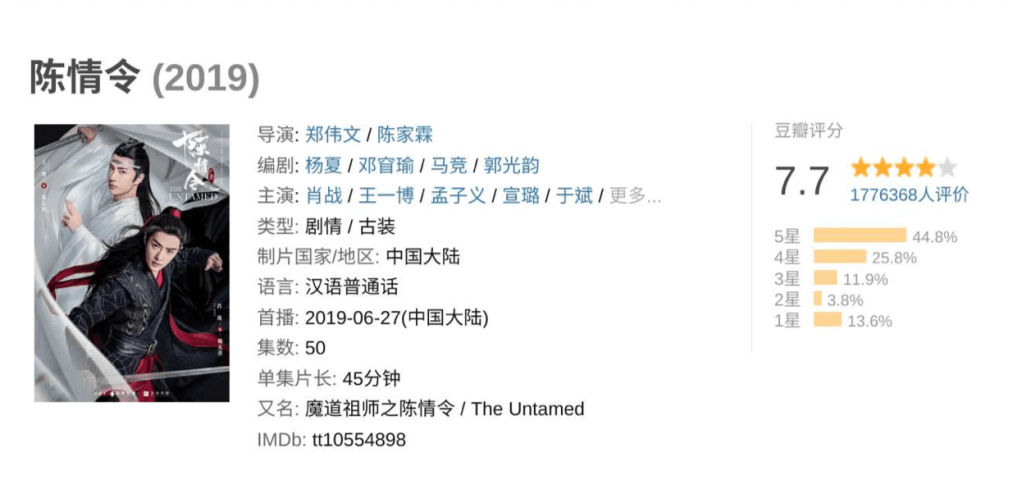
Figure 1: The Untamed Douban rating screenshot
Image source: https://movie.douban.com/subject/27195020/
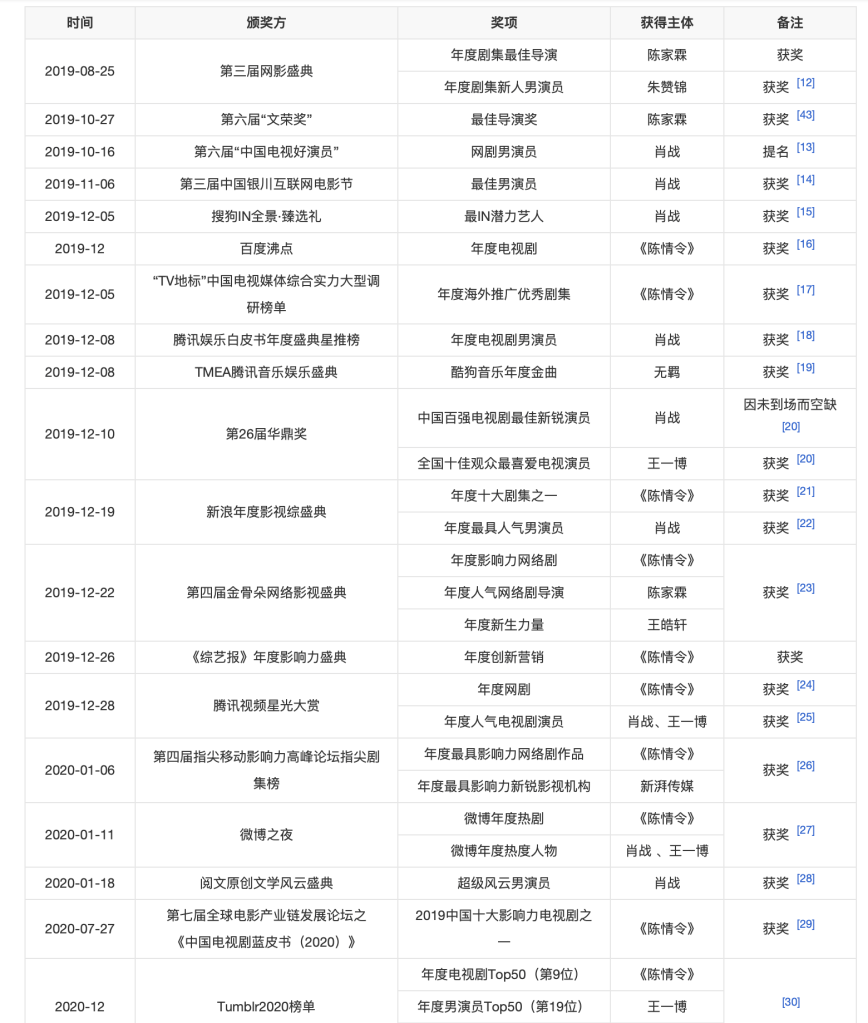
Figure 2: The Untamed award records screenshot
Image source: https://baike.baidu.com/item/陈情令/22426934?fr=ge_ala#reference-47
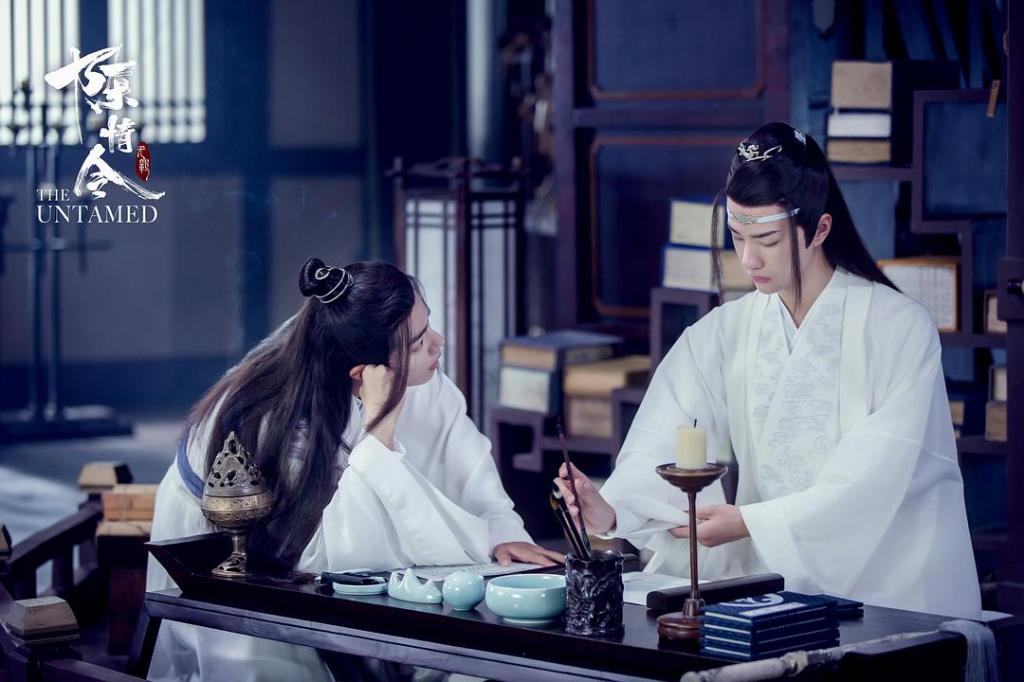
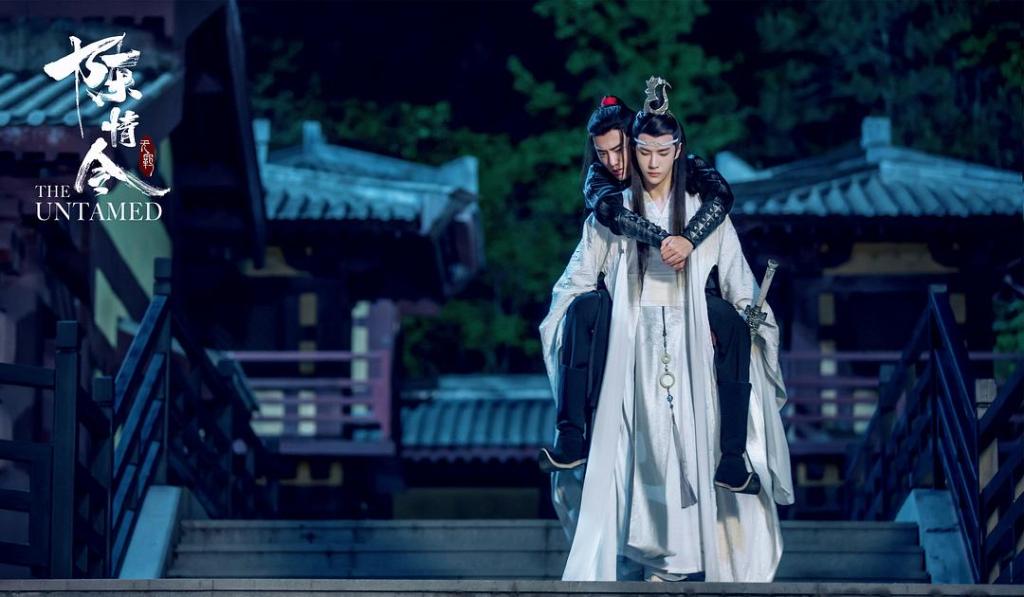
Figures 3 and 4: The Untamed (Scenes from the series)
Image source: https://movie.douban.com/photos/photo/2564341854/
Due to censorship, many same-sex themed dramas can only use suggestive expressions such as “brotherhood” or “double male protagonists”to convey core ideas. For example, Addicted &Heroin and The Spirealm were taken down due to their more straightforward expressions. This shows that even implicit expressions may face censorship risks. In addition, many creators or actors of related dramas are not members of the queer or transgender community, which makes it difficult for them to accurately convey the real life and emotions of this group. (Figures 5, 6, and 7)

Figure 5: Addicted &Heroin (Scene from Baidu Baike)
Image source: https://baike.baidu.com/item/上瘾/18917642?fr=ge_ala
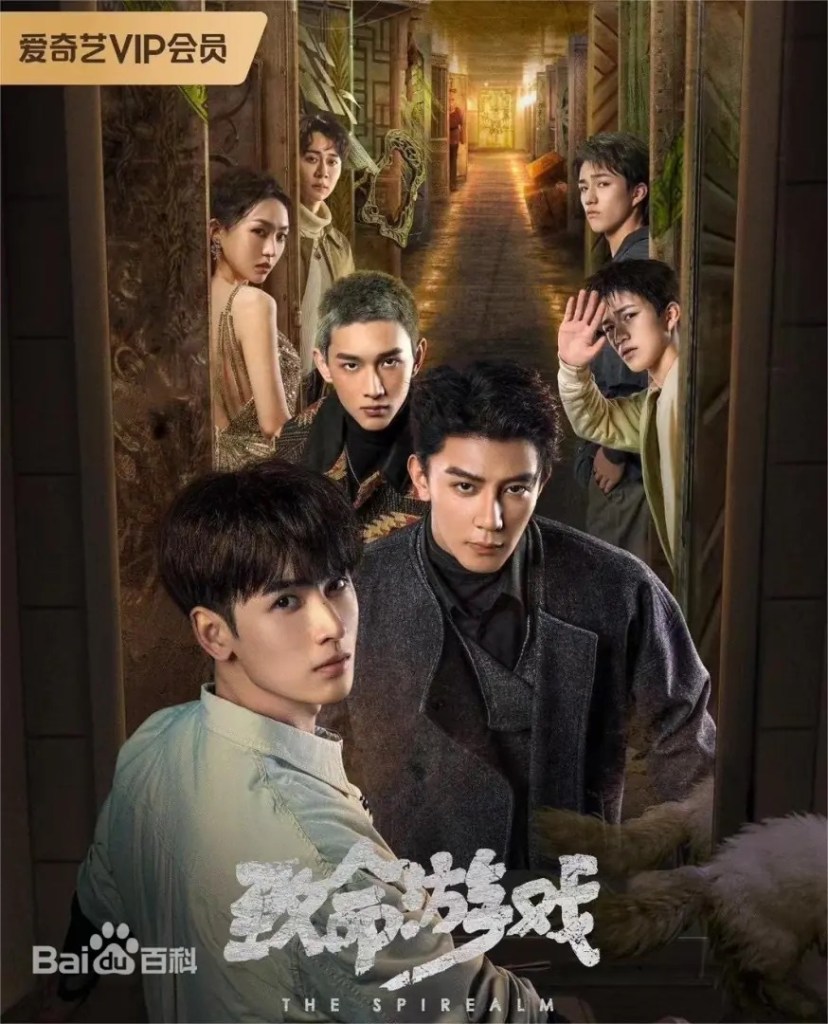
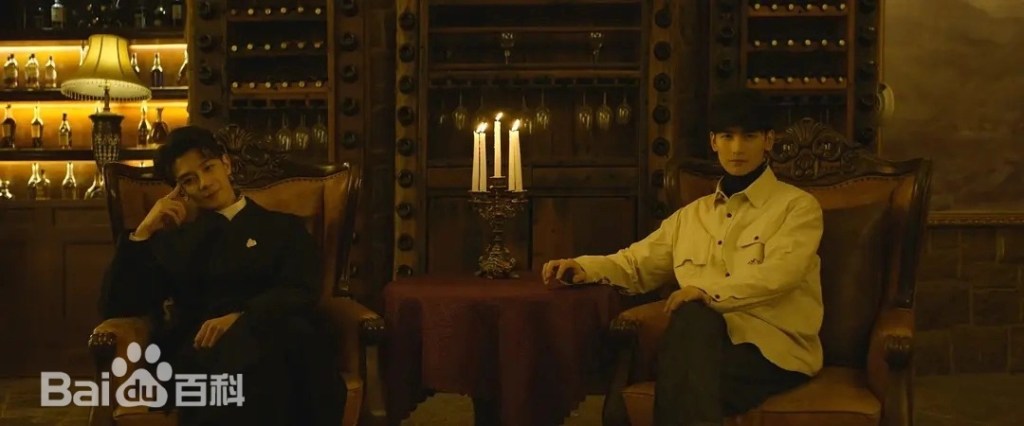
Figures 6 and 7: The Spirealm (Scenes from Baidu Baike)
Image source: https://baike.baidu.com/item/致命游戏/64030116?fr=ge_ala
The “binge-viewing” mode and bullet screen function of streaming platforms have redefined the viewing experience of viewers. Through bullet screens, viewers can not only share their viewing experience in real time, but also form a kind of community interaction. This interaction promotes social discussions on homosexual themes and also increases the popularity of programs.
However, the star effect plays a double-edged sword role in this process. Many viewers pay attention to these dramas because of the popularity of the actors, but may ignore the cultural connotations that the dramas try to convey. This makes the dissemination of homosexual-themed content more superficial and fails to explore the deeper social significance. Additionally, due to the removal or restriction of some dramas, some viewers can only watch them through “underground” channels (such as shared online drives), limiting the accessibility and spread of such content.
These programs still face major challenges in expressing LGBTQ+ culture and promoting social acceptance. Future breakthroughs require not only innovation in content creation, but also a more open attitude of the entire society towards diverse expressions.
Reference List:
Goddard, M. and Hogg, C. (2018) ‘Introduction: Trans TV as concept and intervention into contemporary television’, Critical Studies in Television, 13(4). Available at: https://journals.sagepub.com/doi/full/10.1177/1749602018798217 (Accessed: 30 October 2024).
Lotz, A.D. (2017) ‘Theorizing the Nonlinear Distinction of Internet-Distributed Television’, Portals: A Treatise on Internet Distributed Television, Available at: https://quod.lib.umich.edu/m/maize/mpub9699689/ (Accessed: 24 October 2024).
Liu, Yixuan. (2015) ‘Research and analysis of mass media’s impact on homosexual groups: Starting from traditional media’ [in Chinese], Journal of News Research, 6(19), pp. 34, 65.
Wu, Yue, Cheng, Huiyan and Sun, Yuannan. (2019) ‘The influence of “rotten culture” communication on young people in the context of new media’ [in Chinese], Chinese Journal of Human Sexuality, 28(9), pp. 153–156. doi:10.3969/j.issn.1672-1993.2019.09.044.
By Shanjing Hu-33859586
 Digital Audiovisual Media Class Blog
Leave a comment