Written By Xinqi Zhou(33837441)
The development of digital technology has profoundly changed the way movies and television are made. The application of digital technology in the field of film and television can be traced back to the late 1980s. “Electronic technologies have replaced mechanical ones, and analog forms of coding, storage, and transmission have given way to digital ones.”(Denson, S. and Leyda, J, 2016) With the development of computer technology, film production began to use digital means to replace traditional film technology.
Traditionally, analog media relies on physical film reels, linear editing, and manual effects, which provide a tactile connection with reality. With the advent of digital technology, these processes have evolved into non-linear editing systems, advanced CGI, and virtual photography, allowing unprecedented creative flexibility.
Digital aesthetics often challenge the “authenticity” of analog realism. The “post-cinema” era is characterized by narrative fragmentation and multi-platform distribution of stories. Streaming platforms such as Netflix and Disney+ have redefined the distribution of film and television content. Content is no longer limited to traditional theaters or TV stations, but reaches global audiences through the Internet, achieving more efficient market coverage.
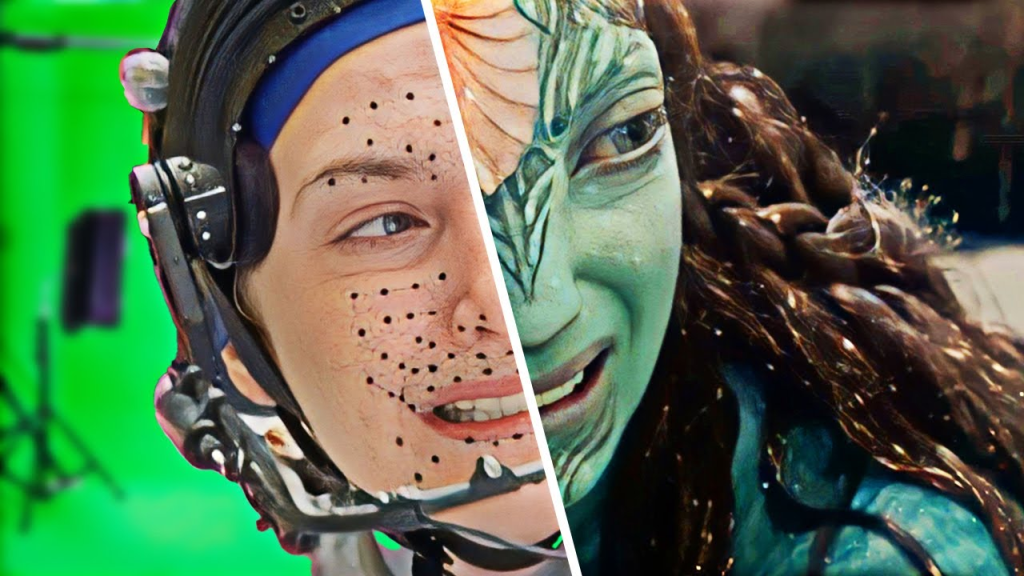
(youtube, 2023)
Among them, “Avatar” is a model of how digital transformation has changed the film industry. It provides an immersive experience for the audience through advanced CGI technology and distribution methods.
CGI is special effects resulting from the use of graphics hardware and software using Maya and 3DS Max (Puspasari, Amizah, and Mahmud 2019). CGI is an important means of using computer technology to generate visual effects in film production. Its emergence has greatly changed how movies are made and the audience’s viewing experience. CGI can achieve visual effects that traditional shooting cannot achieve, such as creating virtual worlds, fantasy scenes, and realistic special effects.
On December 18, 2009, the world saw the most innovative and ambitious use of CGI (Computer-Generated Imagery) up until that point, with the release of the blockbuster science fiction film “Avatar”. It is through the comprehensive application of CGI technology that “Avatar” brings an unprecedented immersive experience to the audience, redefines the standards of film production, and becomes a milestone in digital film technology.
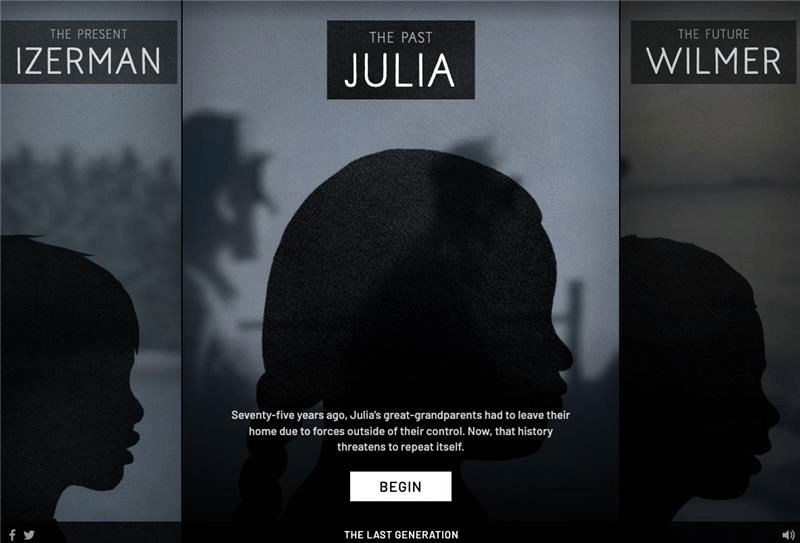
The Last Generation | FRONTLINE | PBS
As mentioned before, the movie Avatar enhances the audience’s sense of immersion through CGI technology, which makes the audience interactive. Interactive environments are virtual spaces where a person can be both the sender and receiver of information because their actions define their experience of the medium.
The interactive documentary “The Last Generation” is a good example of how interaction can be used in film. This is a documentary that explores global climate change. Different from other conventional documentaries, “The Last Generation” introduces interactive technology to change the one-way viewing mode of traditional movies, allowing viewers to browse content by clicking and sliding in a game-like way, making the audience not only passive observers, but also participants in the narrative.
By introducing interactive mechanisms such as clicking and sliding, “The Last Generation” shows the fusion of film and game forms, blurring the boundaries between the two. This design caters to the digital media usage habits of the younger generation of audiences and shows the innovation of film and television under the influence of digital media.
Digital technology is completely changing the way movies and television are produced. From the immersive CGI technology of “Avatar” to the interactive narrative of “The Last Generation”, these innovations not only reshape the audience’s viewing experience, but also open up new possibilities for interaction between film and television works and audiences. The film and television industry will continue to develop with technology in the future.
Reference List:
1, Denson, S. and Leyda, J. (2016) Post-cinema: Theorizing 21st-Century film. Falmer: REFRAME Books.
2, Puspasari, Cindenia, Wan Amizah, and Wan Mahmud. 2019. “Diffusion Innovation in Movies Development: Computer Generated Imagery.” International Journal on Social Science Economics & Art2(March):28–32.
3, Bopping (2023) YouTube. Available at: https://www.youtube.com/watch?v=_m_s3CTY6iQ (Accessed: 17 November 2024).
4, The last generation | frontline | PBS. Available at: http://apps.frontline.org/the-last-generation/ (Accessed: 17 November 2024).
 Digital Audiovisual Media Class Blog
Leave a comment