At some point, we all have fallen victim to binge-watching. It’s become so normalized that it now feels socially acceptable. However, binge-watching could lead to several drawbacks. A subscription to Netflix grants us access to an abundant amount of entertainment, anywhere and at any time, with no commercials. Thanks to Netflix’s structure and algorithm, finding and watching a series geared to our interests has never been easier.
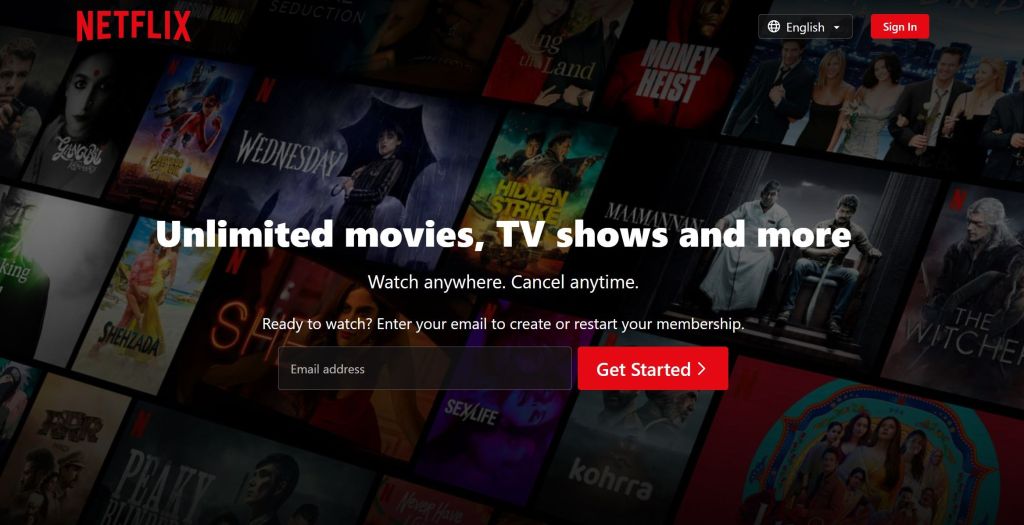
We are accustomed to thinking Netflix offers us more control and choice when in reality, the intentional design choices control us. Features like “entrance flow” guide us with recommendations for new shows to binge, while “insulated flow” moves us from one episode to another effortlessly (Jenner, 2018, 115). This model is deliberately done to organize our viewing experience. Unlike traditional TV, Netflix is non-linear and not time-specific, encouraging unlimited viewing in one sitting (Lotz, 2017, pg. 15). Therefore, even when a series is finished, it will nudge viewers to watch another (Jenner, 2018, 14-23).
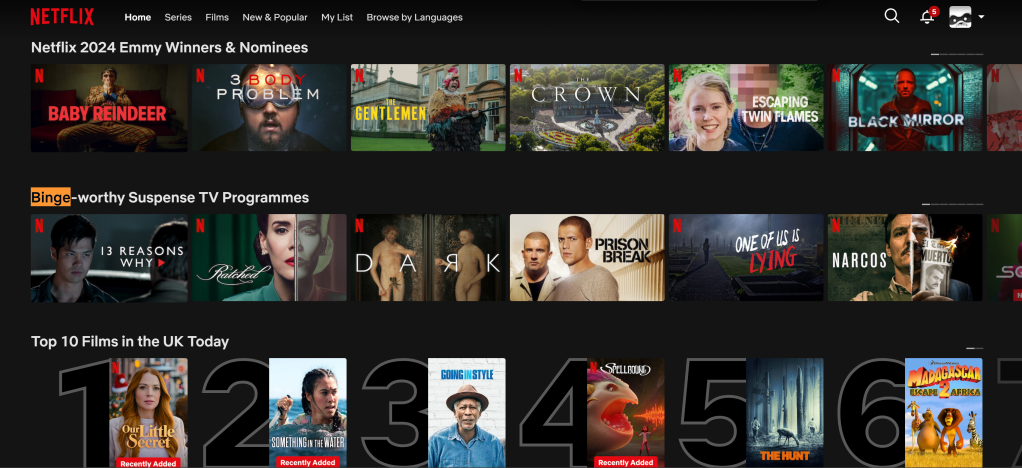

“Entrance Flow” and Insulated Flow” in my own Netflix
According to Northwestern Medicine, in the US, people watch an average of “21 hours of streamed digital media each week, and 99% of all households subscribe to at least one streaming service” (Alam, 2024). In addition, 73% of people surveyed by Netflix reported having positive feelings when binge-watching (Netflix. Inc, 2013). Watching Netflix makes our brain produce dopamine, but when deprived of it, we may find ourselves craving more Netflix to feed that emptiness.
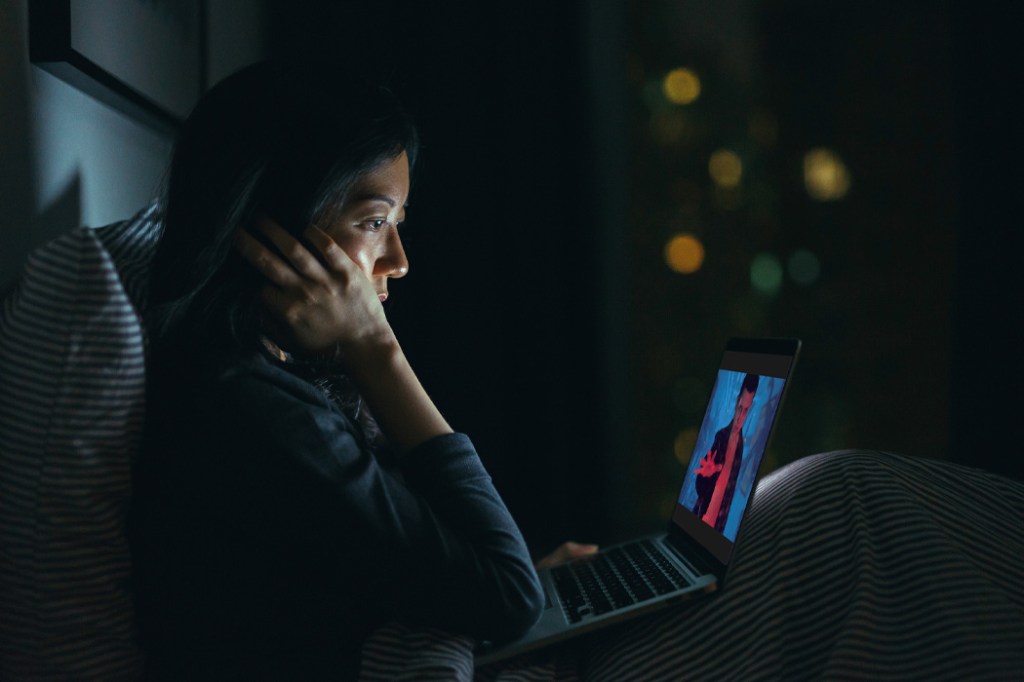
Moreover, lack of sleep and self-isolation could be other contributing factors that are linked to depression and anxiety, affecting our performance in our daily lives (Alam, 2024). When we are left on a cliffhanger episode, we tend to keep watching until the mystery is solved. This further perpetuates a negative cycle of binge-watching because we fall into the unbreakable habit of escaping our commitments. The platform’s toxicity leads us to contemplate ways to gain more agency and control to stop addiction.
Written by Gladys Leger (33751421)
References
- Alam, D. (2024). Binge-watching and your health. Northwestern Medicine. https://www.nm.org/healthbeat/healthy-tips/emotional-health/binge-watching
- Jenner, M. (2018). Introduction: Netflix and the reinvention of television. In Netflix and the reinvention of television (pp. 1-31, 109-118).
- Lotz, A. (2017). Theorizing the nonlinear distinction of internet-distributed television. Portals: A Treatise on Internet Distributed Television. https://quod.lib.umich.edu/m/maize/mpub9699689/
- Netflix, Inc. (2018, June 30). Netflix declares binge-watching is the new normal. PR Newswire: press release distribution, targeting, monitoring and marketing. https://www.prnewswire.com/news-releases/netflix-declares-binge-watching-is-the-new-normal-235713431.html
 Digital Audiovisual Media Class Blog
Leave a comment