I often tease my best friend that her Netflix algorithm is a bit dark and twisted. Whenever she opens her profile, her suggested watches include disturbing true crime exposés and gory horror movies.
On the other hand, my Netflix is cluttered with feel-good Bollywood classics, Hindi Netflix Originals and the occasional cuisine show. Understandably, she takes her turn to poke fun at my algorithmic choices.
Clearly, our experiences of the Netflix brand could not be more different. Here we see what Lotz refers to as the “conglomerated niche” (Lotz, 2017, p.26-7) strategy at play.
I was struck by Lotz’s theorisation of this phenomenon. She notes the marked difference between this strategy and that of linear mass strategy. Essentially, cable television channels based their business models on creating content which appealed to the greatest amount of people. Portals, however, draw their appeal from their ability to target many specific audiences. Lotz explains:
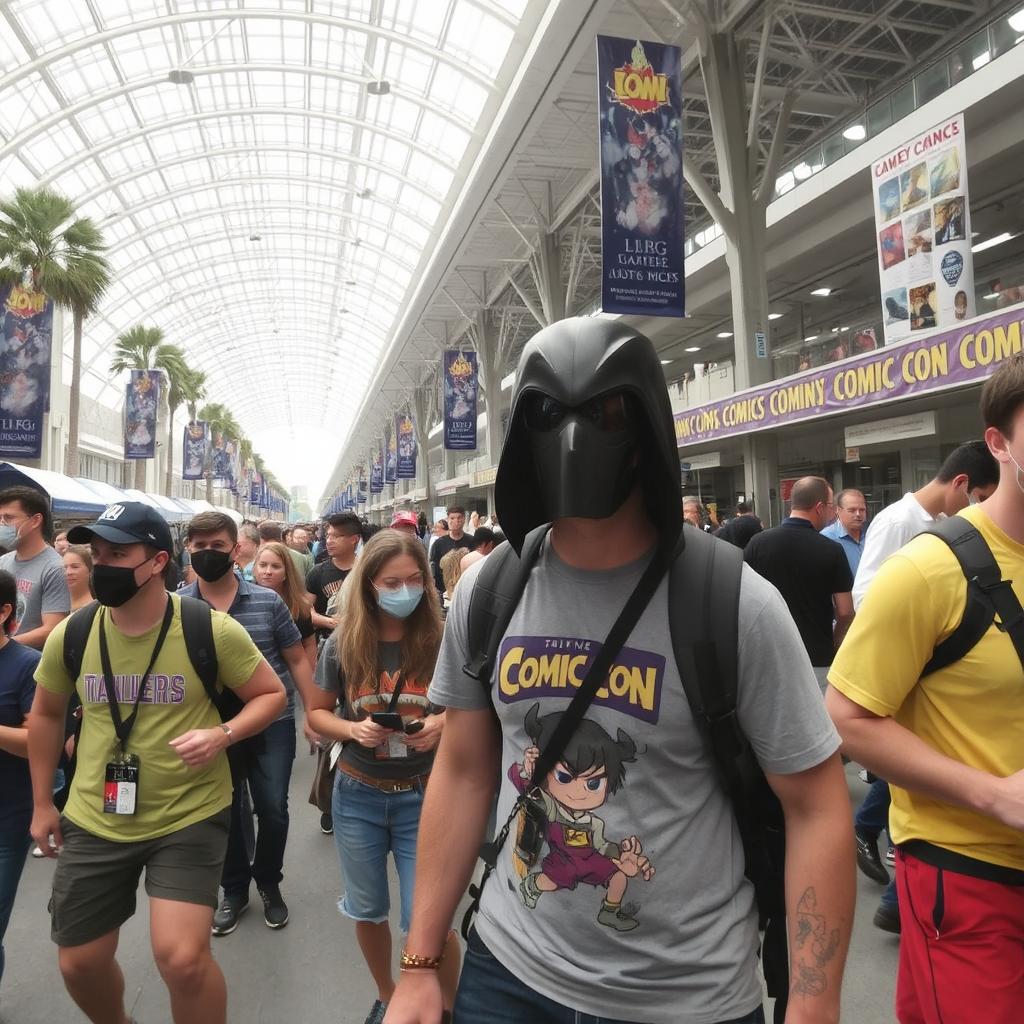
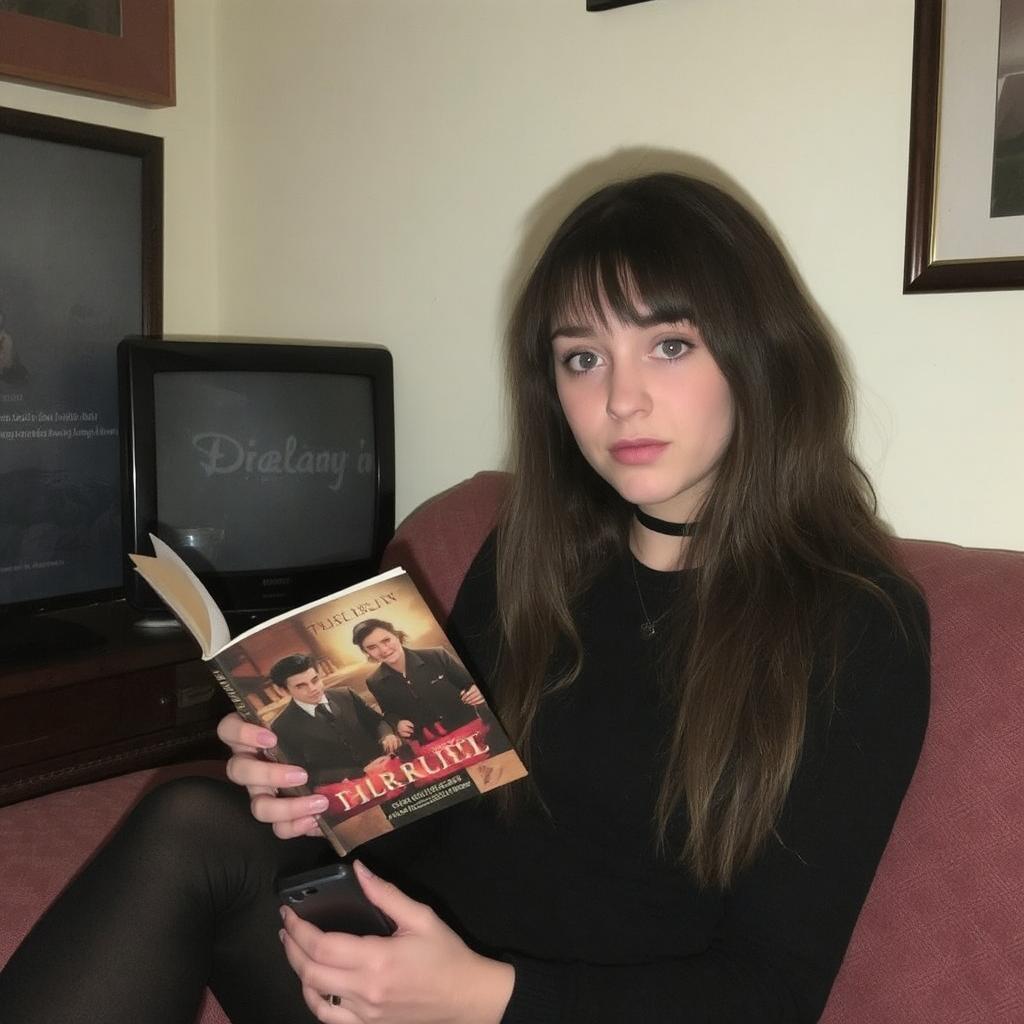
Such a conglomerated niche strategy achieves the advantages of scale while servicing heterogeneous tastes. What are these tastes? Only Netflix executives may know. Two of the niches targeted by Amazon Video are “people who go to Comic-Con” and “people who listen to NPR (public radio).”[26] Lotz explains: “Importantly, this is not the same as a mass strategy. Netflix achieves scale that creates efficiency for its operation, but not by being one thing to all subscribers.” (2017, p.26)
She goes on to stress that it is the fact Netflix is not constrained by linear scheduling and time limits which gives it the capacity to be “different things to different people” (Lotz, 2017, p.27). As we are aware, this “mass customization”(Lotz, 2017, p.28) is made possible by the highly personalized workings of the Netflix algorithm and the role of “infomediaries”(Morris, 2015). So, there are the “people who go to Comic-Con” and the “people who listen to NPR”. I wonder, what does my algorithm make of me? Maybe the rare “French people who love dancing to Bollywood hits”? Perhaps my friend is in that category of “low-key goths with a penchant for dark humour and twisted plots”. Don’t tell her I said that.
Anyway, Lotz points out, “only Netflix executives” (2015, p.26) know what niche category each of us Netflix subscribers fall into and what these groups look like. As an experiment, I asked an AI art generator to create images of these niche audiences mentioned above. Any thoughts?


Author: Cerys Jones, student ID: 33695258
References:
Lotz, A.D. (2017) Portals : a treatise on internet-distributed television. Ann Arbor, Mich.]: Maize Books, an imprint of Michigan Publishing.
Morris, J.W. (2015). Curation by code: Infomediaries and the data mining of taste. European Journal of Cultural Studies, 18(4-5), pp.446–463. doi:https://doi.org/10.1177/1367549415577387.
 Digital Audiovisual Media Class Blog
Leave a comment