It’s been 13 years since Lady Gaga released “Born This Way,” her iconic, boundary-pushing music video full of trippy visuals and dances. At its core, “Born This Way” advocates embracing one’s identity, self-love, and acceptance in the larger push for LGBTQ+ rights.
Gaga takes us to another world and tells the story of the creation of an extraterrestrial race that “bears no prejudice, no judgment, but boundless freedom.” She sits on the throne, giving birth to a “new race within the race of humanity.”
Conventionally, a glitch is an unexpected result of a malfunction or a sign of error. As Shaviro puts it, “They rupture the smooth surface of the video performance” (Shaviro, 2017, pg. 75). However, here, it is used to acknowledge an error in a social and patriarchal system.
Gaga uses kaleidoscopic effects when her body splits into multiple shards that mirror each other. In the fusion of bodies and separation, the construction of her image is divided into conflicting parts. These images serve to tear the binary view of gender and sexuality apart and embrace fluidity.
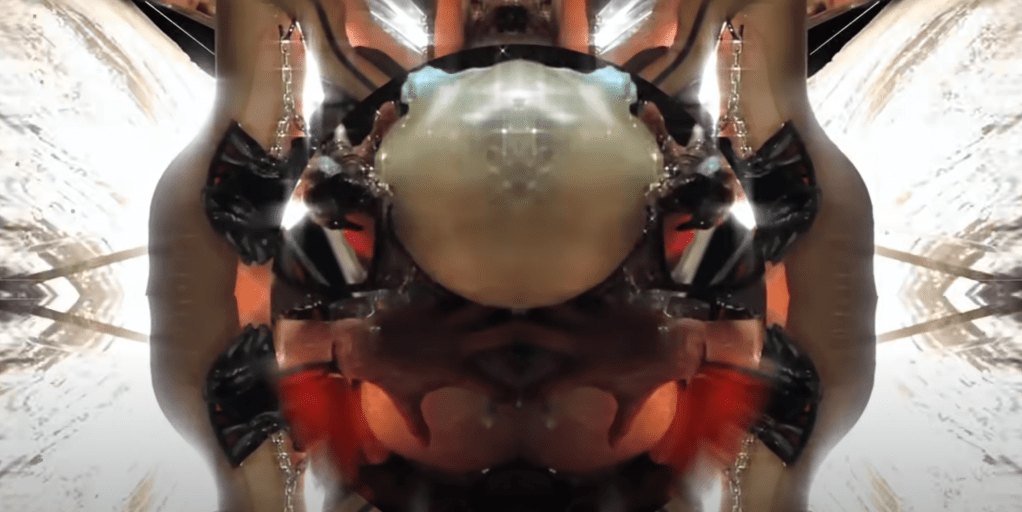
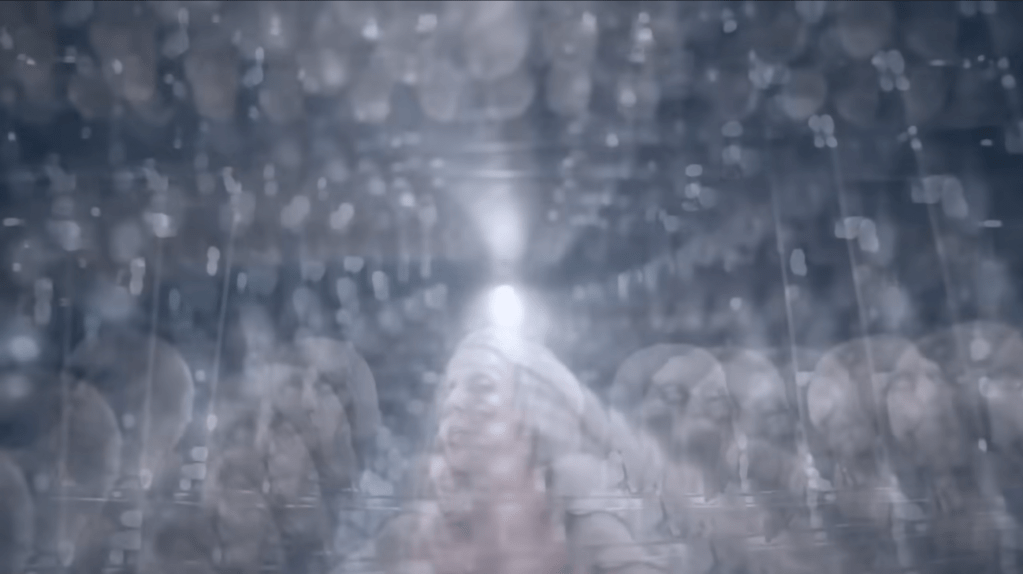
Benson-Alliot argues that an “alien presence in our electronic media, the online video glitch suspends the smooth operation of technoculture, techno commerce, and techno phallocentrism” (2013, pg. 128). Because Gaga commonly uses different characters and situations, she can expand outside of the conventions of what an alien presence or glitch is thought to fit into within the role of technology.

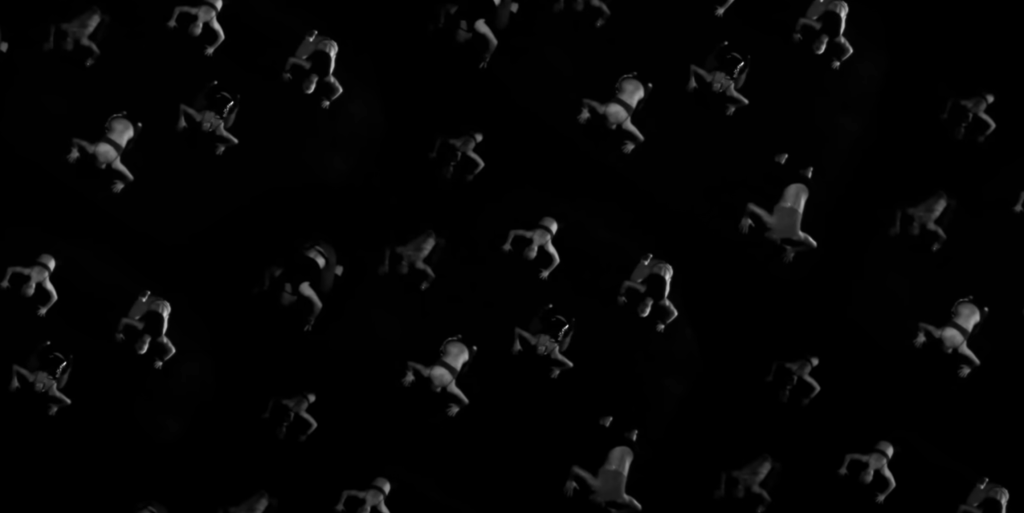
In addition, Gaga also uses a female spectacle to disrupt the patriarchal order (pg. 135). She integrates fantasy themes while introducing “feminist glitches” to create new logics in her own system and rejects the norm. By skipping back and forth between shots, she uses nonlinear editing and temporal interruption to disrupt heteronormative expectations. Hence, mirroring how LGBTQ+ identities are often seen as “malfunctions” in societal expectations (pg. 131). Overall, Gaga is able to challenge normalcy and the status quo in an artistic, bold, and unapologetic celebration of all identities.
Written by Gladys Leger (33751421)
References
- Benson-Alliot, C. (2013). Going Gaga for glitch: Digital failure and feminist spectacle in twenty-first-century music video. In C. Vernallis, A. Herzog, & J. Richardson (Eds.), The Oxford handbook of sound and image in digital media (pp. 127-139). OUP USA.
- Geffen, S. (2021). The psychedelic subversion of Gaga’s “Born This Way” video. PAPER Magazine. https://www.papermag.com/born-this-way-music-video#rebelltitem10
- Lady Gaga. (2011, February 28). Born this way [Music video]. Interscope Records. YouTube. https://www.youtube.com/watch?v=wV1FrqwZyKw
- Shaviro, S. (2017). Glitch aesthetics. Digital Music Video.
 Digital Audiovisual Media Class Blog
Leave a comment