For many years, one important type of visual media in the music industry has been the music video. Music videos have changed and adapted to the shifting media consumption landscape, from their 1980s MTV debut to their present widespread use on digital social networks. Many facets of the music video genre are examined in the readings by Gina Arnold, Daniel Cookney, Kirsty Fairclough, Michael Goddard, Carole Vernallis, Steven Shaviro, Diane Railton, Paul Watson, and Caetlin Benson-Alliot. These include its aesthetics as well as its function in gender politics and representation.
OneRepublic’s “Counting Stars” music video is a perfect illustration of how the genre has changed from MTV to internet social networks. The band’s performance video for “Counting Stars” is intercut with images of regular people going about their daily lives. The democratization of music video creation brought about by the growth of digital social networks like YouTube and Vimeo is reflected in this blend of amateur and professional material. In the past, record labels with substantial resources and skilled teams were mostly responsible for producing music videos. A wide variety of visual styles and aesthetics are now possible for anybody with a smartphone and an internet connection to make and distribute their own music videos.
In her essay “Music Videos Second Aesthetic,” Carole Vernallis explores how the aesthetics of music videos changed from the MTV era to the internet era. She contends that modern music videos frequently choose a disjointed, collage-like style above narrative coherence. This is seen in “Counting Stars,” which employs a non-linear editing approach and rapid cuts between scenes. The fast-paced environment of digital social networks, where users are continuously inundated with fresh material and have limited attention spans, is reflected in this editing technique.

The article “Vimeo Killed the Video Star: Burial and the User Generated Music Video” by Daniel Cookney explores how user-generated content has affected the genre of music videos. Music video creation and distribution have become more accessible because to websites like Vimeo and YouTube, which let musicians communicate with their audience directly and go around established gatekeepers like record companies. The usage of fan-generated content in music videos, such as those for Burial, which highlight the inventiveness and originality of regular people, is an example of this.
The article “Glitch Aesthetics” by Steven Shaviro explores how modern music videos employ digital flaws and glitches as a visual style. The music video for “Counting Stars,” which has warped visuals and glitchy effects, demonstrates this. The article “Going Gaga for Glitch: Digital Failure and Feminist Spectacle in Twenty-First Century Music Video” by Caetlin Benson-Alliot delves more into the idea that these glitches are a representation of the intrinsic instability and imperfection of digital media.
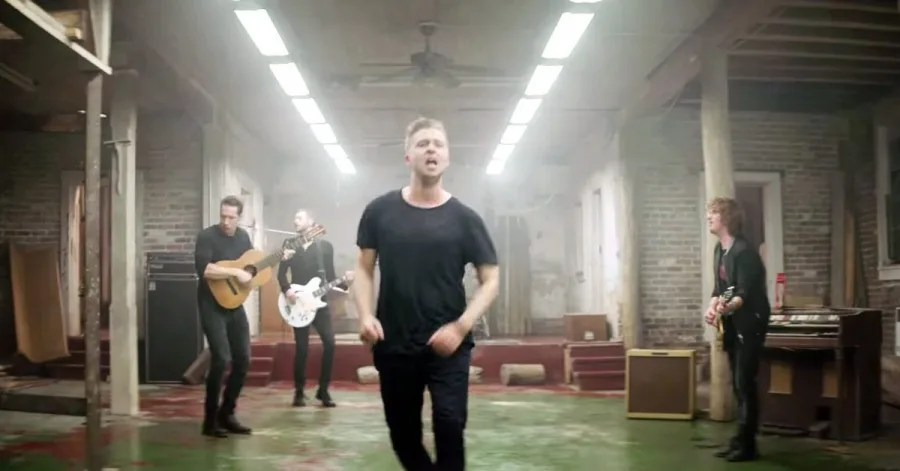
In general, a democratization of production, a change in aesthetics, and a stronger focus on user-generated material have characterized the progression of the music video genre from MTV to digital social networks. OneRepublic’s “Counting Stars” is a prime example of these shifts, featuring a combination of amateur and professional video, a disjointed editing technique, and glitchy effects. It will be interesting to observe how artists and makers continue to push the boundaries of music videos as they continue to adapt to the shifting media landscape.
Elisa Hu
 Digital Audiovisual Media Class Blog
Leave a comment