Introducing new media is not a complete revolution, but rather a socially negotiated process (Gitelman, 2006, p. 6). Streaming media platforms like Netflix and Chinese TV apps not only reflect the growth tendencies of post-cinema and post-medium television but also reveal the integration and collision between traditional cinema and digital media in different contexts.
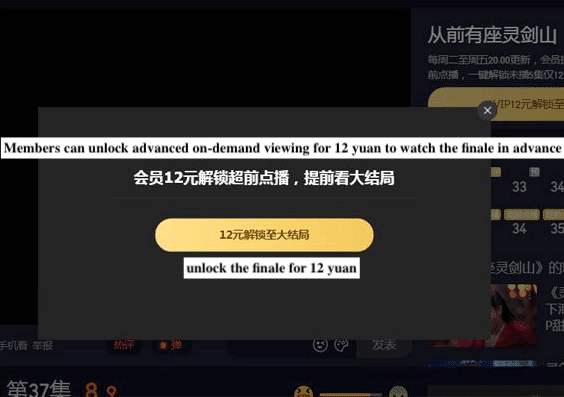
With binge-viewing, Netflix has changed the dynamic between users and content. The entire season is released simultaneously, allowing viewers to arrange their viewing independently and breaking the linear broadcast model of traditional television. As Jenner points out: “Netflix has changed our understanding of the nature of television by giving viewers greater control over when they watch” (2018, p. 5). In contrast, Chinese TV apps use an episode-updating methodology. Although it strengthens user loyalty, it has also sparked controversy over excessive commercialization, becoming a case of capital and culture clashing.

Image: https://images.app.goo.gl/WgxDMdZBc1virLiZ6
(Screenshot)
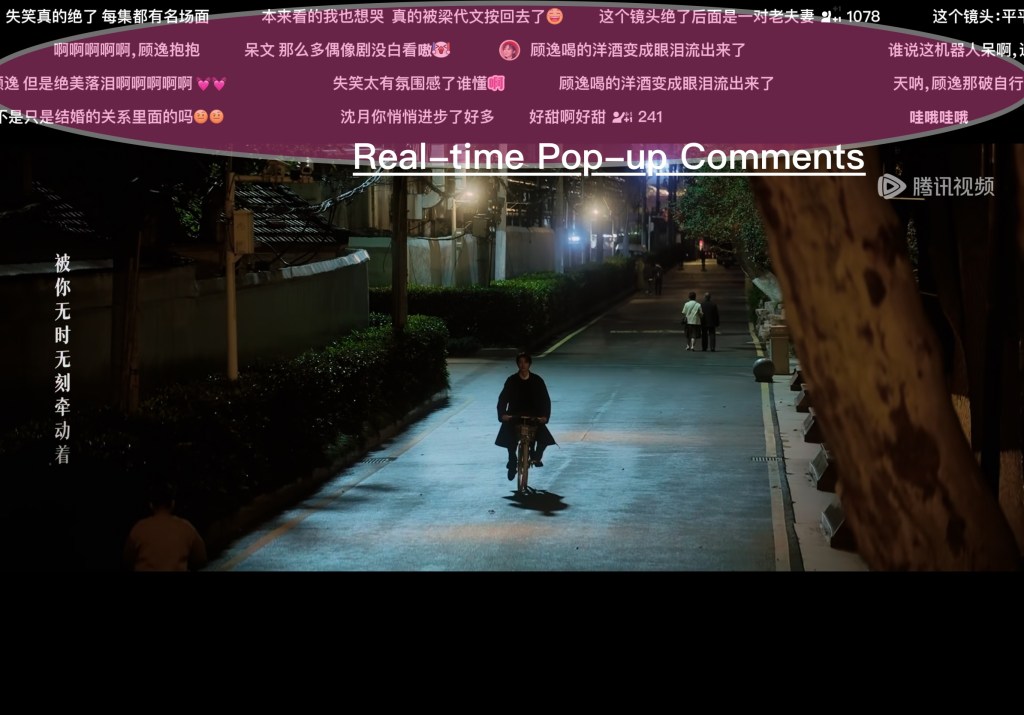
They both reflect the transformation of TV from a single medium to a multi-functional platform. Netflix has become a representative of post-media TV through algorithm recommendations, global simultaneous release, and content diversity. On the other hand, Chinese TV apps have further blurred the boundaries between TV, social media, and streaming media through real-time pop-up comments, interactions, etc.
(TV series screenshot)
The aesthetic and narrative differences between post-cinema and traditional are worth exploring. Netflix’s original content, such as Stranger Things, uses cinematic production techniques and complex narrative structures, and it is considered a continuation of cinematic language on television. However, streaming platforms have come under fire from traditional filmmakers for undermining the ‘ritual’ of the cinema.
In addition to showcasing the potential of media convergence, they highlight the interaction between culture and technology in various settings. Overall, the convergence of post-cinema, post-medium TV and traditional cinema has altered content creation and distribution, as well as audience viewing preferences.
References:
Brain (2019). What Binge Watching Does To Your Brain | Let Lee Explain. [online] YouTube. Available at: https://youtu.be/44maP6YAELY?si=JpIOa4Cm5s2YE3dT [Accessed 10 Nov. 2024].
Gitelman, L., 2006. Always Already New: Media, History, and the Data of Culture. Cambridge, MA: MIT Press.
Jenner, M., 2018. Netflix and the Re-Invention of Television. Cham: Springer.
Zijing Zou 33738013
 Digital Audiovisual Media Class Blog
Leave a comment