In the post-cinema era, with the advancement of technology and changes in viewing habits, music videos are facing a huge transformation. In China, platforms like Douyin have transformed viewing patterns and influenced the creation and themes of MVs.
In China, the way music videos are consumed has shifted from long-term immersive viewing on TV stations or video websites in the past to fast consumption on short video platforms. Users are more inclined to access music clips through short video platforms (such as Douyin) rather than watching MVs in full. This trend has led to “decontextualization”, that is, the meaning of music and visual expressions is fragmented, retaining only emotions or symbols. (Figure 1)
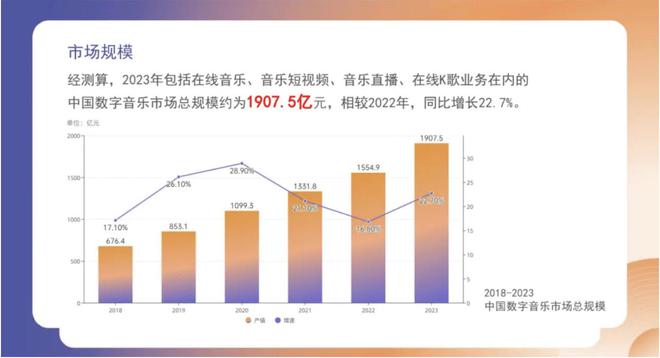
Figure 1: Total Scale of China’s Digital Music Market (2018–2023)
Image source: https://www.163.com/dy/article/JCFGSVLI0512D3VJ.html
While Western music videos often discuss sensitive topics such as race, gender, and sexual orientation, Chinese music videos rarely touch on these topics directly. This phenomenon is closely related to cultural habits and regulatory restrictions. Take Lady Gaga’s “Born This Way” as an example. The music video directly expresses tolerance for diversity (including race, gender, sexual orientation, etc.) and conveys the pride of being “born this way.” Through bold visual language and lyrics, she supports the LGBTQ+ community and breaks the limitations of traditional narratives. In contrast, music videos in mainland China express these issues more obscurely or even completely avoid them. For example, mainland music creation tends to emphasize love stories or national unity rather than diversity issues. (Video 1, Figures 2 and 3)
Video 1: Lady Gaga – “Born This Way”
Video Source: https://youtu.be/wV1FrqwZyKw?si=KmAYKWhkhzgSG3fc
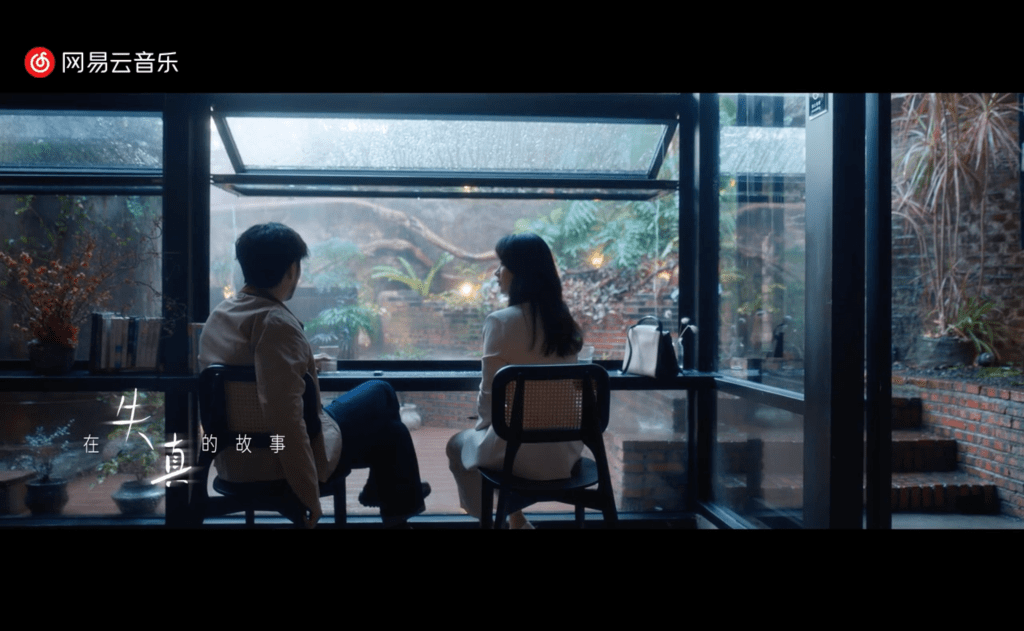
Figure 2: Screenshot from the MV Stefanie Sun – “Appearance”
Image source: Playback window on NetEase Cloud Music platform

Figure 3: Screenshot from the MV DP Longzhu – “Summer Breeze”
Image source: Playback window on NetEase Cloud Music platform
Railton and Watson’s research suggests that Western music videos often explore complex cultural and social themes through the expression of race and femininity (Railton and Watson, 2011). Unlike Chinese mainstream music productions, Taiwanese singer Jolin Tsai’s “Ugly Beauty” is a noteworthy exception. She challenges traditional aesthetic standards with “distorted aesthetics” and questions society’s definition of beauty and femininity.
In addition, Benson-Allott’s research on glitch aesthetics and feminism provides another analytical perspective (Benson-Allott, 2013). Jolin Tsai’s music video uses exaggerated makeup and stage effects to transform what society considers “ugly” into art. This open cultural environment makes it easier for Taiwanese music videos to discuss sensitive topics such as gender and identity. This approach is both a reference to Western digital aesthetics and an attempt to localize it in the Chinese context. Although these music videos cannot directly express diversity issues like Western works, they also challenge traditional gender roles in subtle ways. (Video 2)
Video 2: Jolin Tsai – “Ugly Beauty”
Video Source: https://youtu.be/-wIHmPAvMBo?si=y_vwKALv4b55Ue7G
In the post-movie era, can Chinese MVs break through these limitations and become a platform for more diverse cultural expressions?
I believe that Chinese MVs, influenced by digital aesthetics, still have great potential to express more diverse cultural and social issues. Creators can learn from successful cases like “Ugly Beauty” and present richer content to the audience through innovative visual language and bold theme exploration. The post-movie era has brought new challenges and opportunities to Chinese MVs. In today’s era of short video culture, the creation of MVs is shifting from narrative art to symbolic expression. However, while catering to the audience, creators also need to think about how to reflect broader cultural values without losing artistic depth.
Reference List:
Railton, D. and Watson, P. (2011) ‘Music Video in Black and White: Race and Femininityʼ, Music Video and the Politics of Representation, pp. 87–107.
Benson-Allott, C. (2013) ‘Going Gaga for Glitch: Digital Failure and Feminist Spectacle in Twenty-First Century Music Video’, In: Vernallis, C., Herzog, A., and Richardson, J. (eds.) The Oxford Handbook of Sound and Image in Digital Media. OUP USA, pp. 127–139.
She Linling. (2023) ‘Audiovisual, fragmented, streaming: Exploration of popular music in the age of short videos’ [in Chinese], Media Criticism, (02), 268–280.
Zhang Huacui and Lin Lin. (2023) ‘Gender inequality and its resolution in the field of music’ [in Chinese], Journal of Shandong Women’s University, (06), 74–82.
By Shanjing Hu-33859586
 Digital Audiovisual Media Class Blog
Leave a comment