Is Netflix considered TV, despite its brand identity revolving around binge-watching culture?
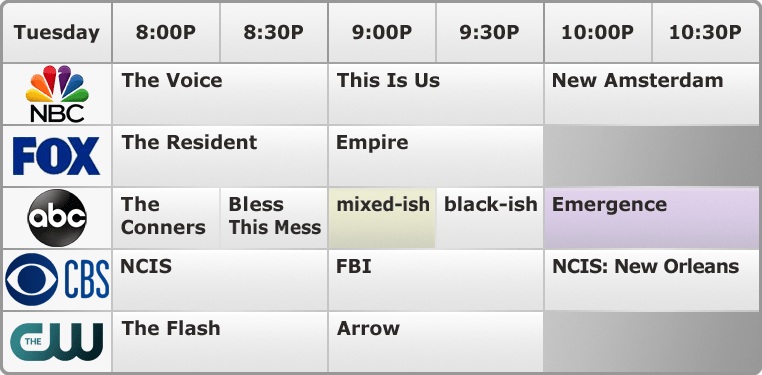
Streaming services like Netflix have fundamentally transformed the landscape of television, reshaping not only how content is consumed but also how it is defined after the boom of streaming in 2010(Jenner,p2). Traditionally, television was characterized by scheduled programming delivered through cable networks which embodies certain values confining viewers to specific times and channels. However, with the rise of streaming platforms a new era of on-demand content was born.
2019
This newfound accessibility has democratised television, enabling viewers to curate their viewing schedules and binge-watch entire seasons at their own pace. It is clear to viewers that Netflix encourages binge-watching with its abundance of quality content, a top 10 list, and personalised recommendations. It is the autonomy they offer which sets them apart from TV, and the lack of scheduled programming allows the viewer to be in control. Although there are addictive aspects to Netflix’s series dump, I don’t think Netflix is at fault, as it is down to the viewer to be responsible for their consumption.
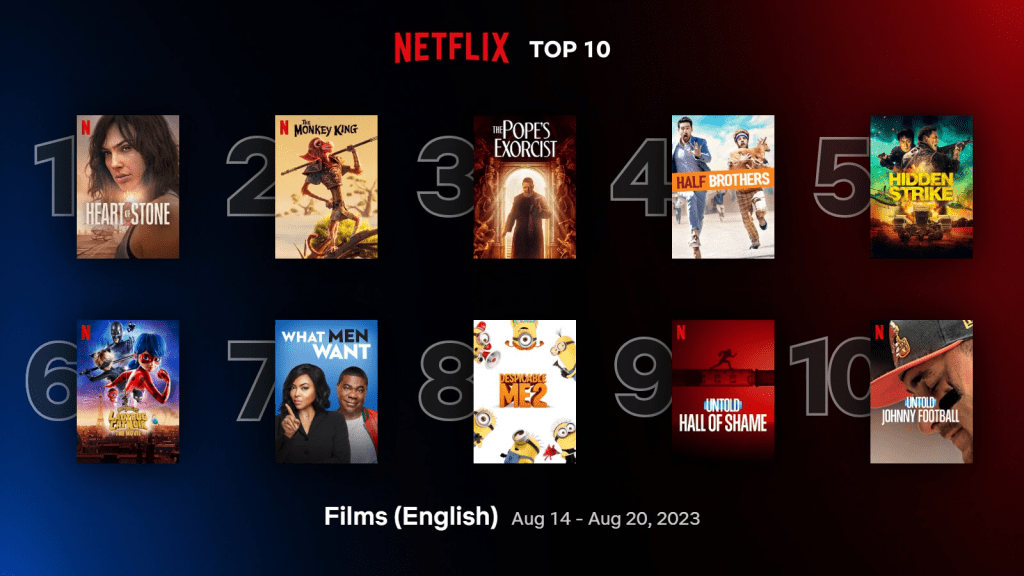
Netflix is not confined to television, content can be viewed on the go, with no advertisements setting them apart from TV(LotzP58,2014), this accessibility and convenience on the go has changed the definition of TV. Netflix season dump is one of the main features it has over 282.7 million paid subscribers(Stroll,2024), and with quality shows and movies in a diverse variety of genres, people can enjoy shows they like with ease. It is clear Netflix, unlike some, is constantly in tune with trends and popular aesthetics with dubbed K-dramas now available on Netflix.
Therefore to conclude Netflix should not be considered as traditional TV but as curated streaming, which focuses on the viewer experience with its abundance of content and lack of advertisements.
By 33749110 – Bally
Bibliography:
Mareike Jenner (2018). Netflix and the Re-invention of Television. Cham Springer International Publishing Palgrave Macmillan, page 2.
Lotz, A.D. (2017). Portals: A treatise on internet-distributed television. Ann Arbor, Mich.: Maize Books, An Imprint Of Michigan Publishing, p.58.
Stoll, J. (2024). Number of Netflix Paid Subscribers Worldwide from 1st Quarter 2013 to 3rd Quarter 2022. [online] Statista. Available at: https://www.statista.com/statistics/250934/quarterly-number-of-netflix-streaming-subscribers-worldwide/ [Accessed Nov. 2024].
 Digital Audiovisual Media Class Blog
Leave a comment