
In his 2010 book titled Post-Cinematic Affect, Steven Shaviro introduced the concept of ‘post-continuity’. He explains that this cinematic form has gained popularity since the turn of the century, and the characteristics of post-continuity films are what make this style unique to traditional cinema. Post-continuity works have a ‘preoccupation with immediate effects’ (2016) which subsequently displaces the necessity to follow traditional visual and narrative continuity.
Shaviro elaborates on the concept of post-continuity, explaining that ‘impossible camera angles deliver a series of continuous shocks to the audience’ (2016). The Matrix (1999) is credited with popularising the effect of ‘bullet time’, which is a special effect using a high number of static cameras to give the effect of slowing down or freezing time and moving 360 degrees around characters and objects. It is not long into the opening of The Matrix that the audience experiences the bullet time effect for the first time. Trinity (Carrie-Anne Moss) is fighting several police officers and jumps into the air mid-combat, and it is at this moment the effect is first utilised.
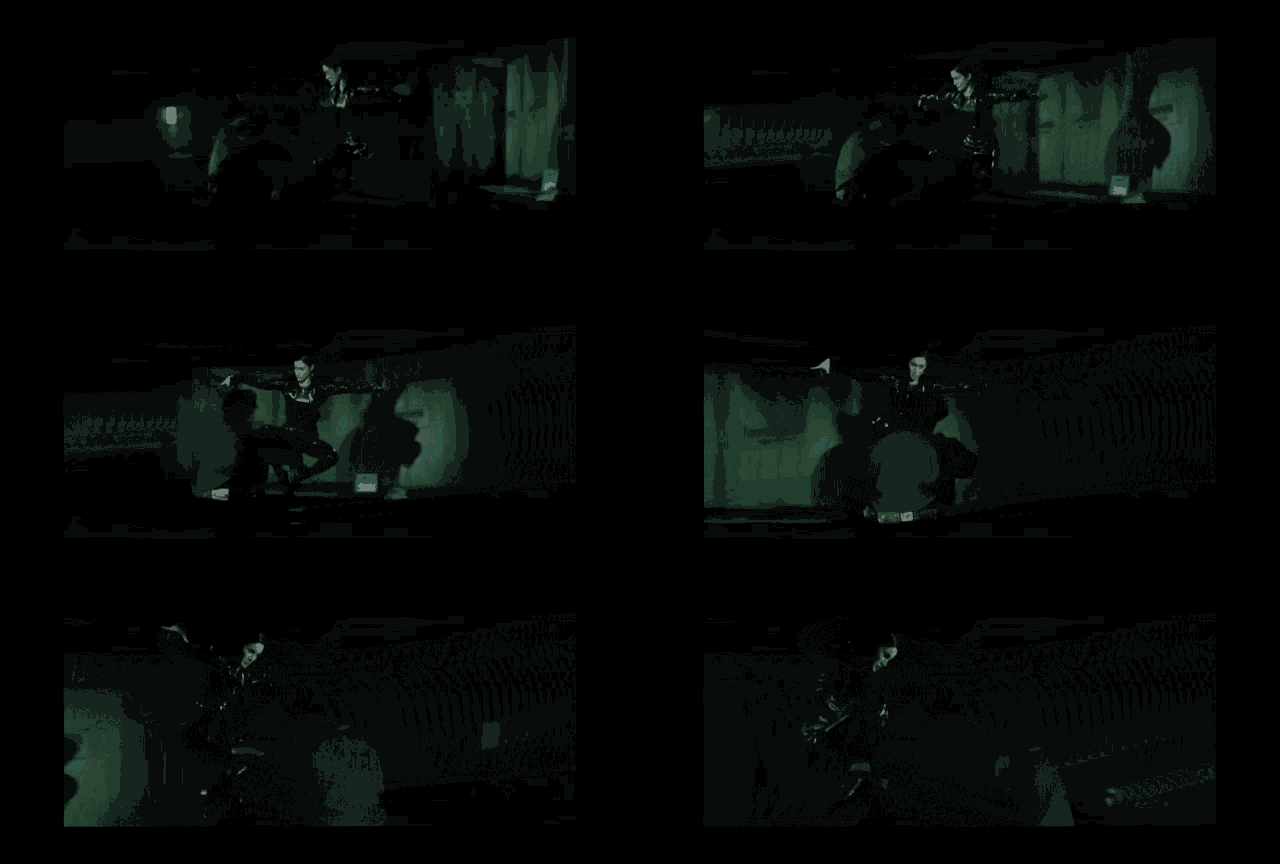
Here, we experience the special effect of the camera panning freely around her in a seemingly impossible movement. Shaviro describes that post-continuity form and post-continuity editing have not completely abandoned traditional cinematic continuity rules but have rather adapted and bent these rules. The continuity cues between the soundtrack and the moving image can be unlinked, and continuity cues can be provided subliminally on the soundtrack alone (2016). As the scene of Trinity fighting the police enters the bullet time effect, a sound effect is used in anticipation of the visualisation of the effect. This is done with the specific intention of transporting the audience from linear time into a frozen moment. Trinity jumps into the air in a seemingly impossible way, and this illustrates to the viewer early on that the super-human powers that the characters have harvested through the Matrix are not plausible in the real or normal world.
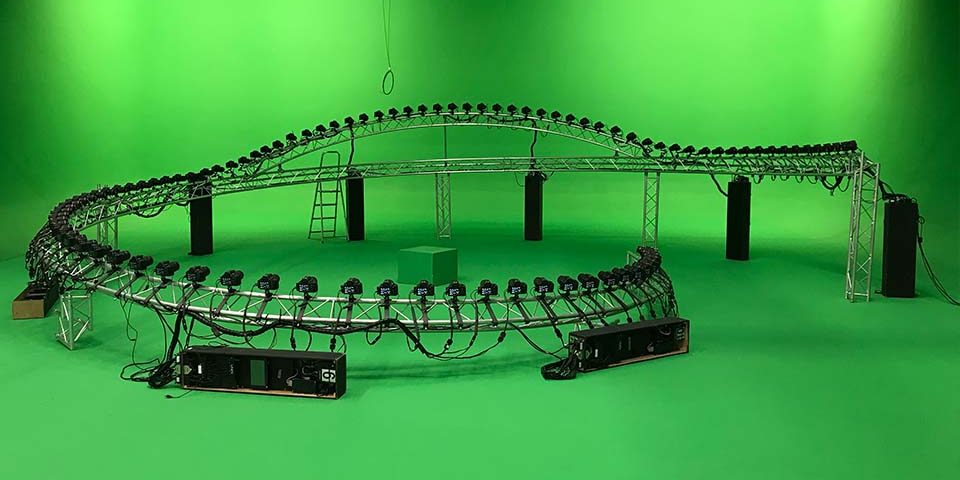
Another use of the bullet time effect, perhaps more memorably, is when Neo re-enters the Matrix in the third act of the film to try and save Morpheus. During his fight with an Agent, he unlocks his powers completely and manages to spectacularly dodge the bullets being shot at him.
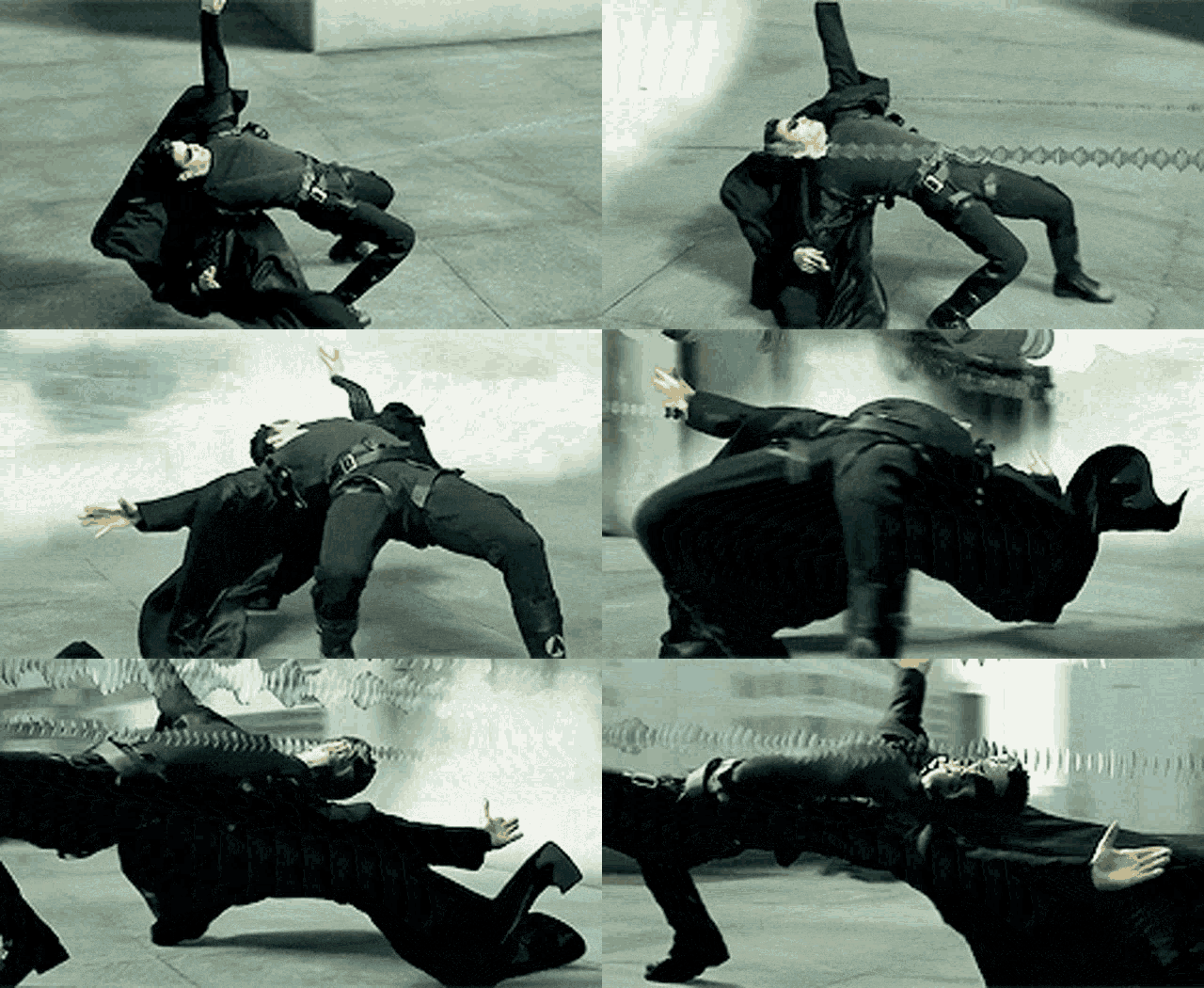
Shaviro describes how post-continuity editing is accepted, not resisted, by the audience as a different form of cinema, and in The Matrix, the “narrative is not abandoned, but it is articulated in a space and time that are no longer classical…for space and time themselves have become revitalized or unhinged” (pp57-58, 2016). The very nature of The Matrix allows for Shaviro’s concept of post-continuity to be understood, as the film travels between time periods, and traverses the ‘real’ human world and ‘unreal’ dimension of the Matrix.
References
Steven Shaviro (2016) ‘Post-Continuity: An introduction’’, in Post-cinema: Theorizing 21st-century Film. REFRAME Books, 2016, pp. 51–64.
Shields, M (2021) How They Shot the “Bullet-Time” Effect in ‘The Matrix’. Available at https://filmschoolrejects.com/the-matrix-bullet-time/. [Accessed on 18/11/2024].
The Matrix (1999) [Film] Directed by Lana Wachowski and Lily Wachowski. USA,Warner Bros., Roadshow Entertainment.
Jonathan Thwaites 33745474
 Digital Audiovisual Media Class Blog
Leave a comment