The concept of post-cinema is often based on the trend of digital technology in film screening and film production. The development of digital technology is often considered to bring new trends to the aesthetics of film and the audience’s perception mode of film. For the revolution of digital technology in all aspects of film, scholars will divide the development of film in a linear historical structure, that is, traditional film and post-film based on digital technology. This linear historical structure has also led to a debate about whether post-cinema symbolises a break with traditional cinema.
With the development of digital technology, many scholars such as Deleuze have predicted the future of the death of film, that is, finally, digital images will replace film. This is opposed by scholars such as Giovanna Fossati and Francesco Casetti, they all view the relationship between post-film and “pre-film” from an ecological perspective and believe that the arrival of post-film brings a new ecology of film perception and film research.
At the same time, many scholars began to review Bazin’s realistic views after the emergence of digital films. For example, William Brown mentioned the influence of electronic technology on Bazin’s realism. Bazin’s total film theory’s view on space-time continuity seems to be subverted by the high simulation of CG technology. But he also mentioned that while cg technology can create a simulated virtual space, space is just space, part of the reality continuum, so, As Brown says, “it does not discard the continuity of time and space, but provide diverse understand of them, the most important is our feeling. “Post-film doesn’t completely cut apart our understanding of cinematic space, it just makes us rethink how space is organized in reality.
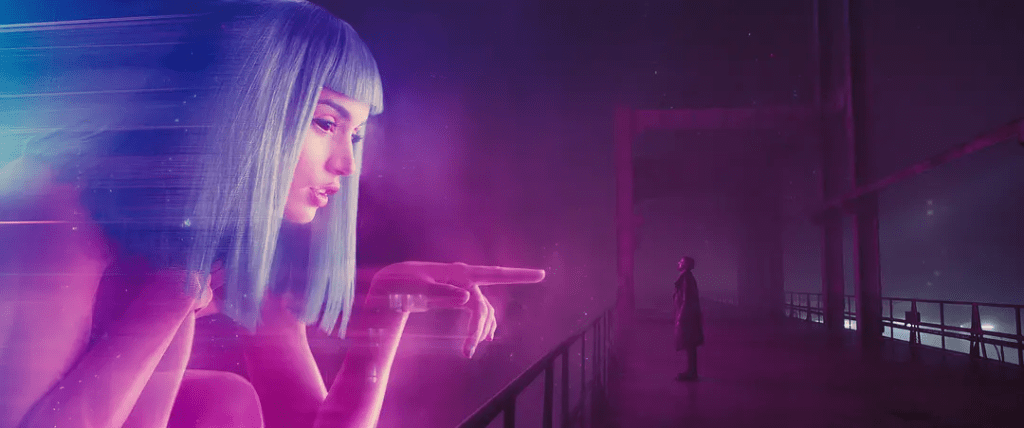

In this perspective, digital technology seems to defy predictions of the death of cinema and, on the contrary, to inspire new practices and histories of cinema. As scholar Thomas Elsaesser notes, digital technologies have had a complex impact on our understanding of film history, and we need to use media archaeology to overcome the opposition between “new” and “old.” In fact, the flourishing of film museums not only proves that traditional film is not dead but also digital technology further triggers our thinking about film archives, making film research more sensitive to the surrounding cultural and social environment. In short, the arrival of the new film does not symbolize a break with the past, but rather a change in the way we talk about history and practice history by bringing film into a new ecology.
Reference:
Brown, W. (2015) Supercinema: Film-philosophy for the Digital age. New York: Berghahn.
Casetti, F. and Pinotti, A. (2020) ‘Post-cinema ecology’, Post-cinema, pp. 193–218. doi:10.2307/j.ctv1b0fvtp.15.
Fossati, G. and van den Oever, A. (2020) ‘The twenty-first-century post-cinematic ecology of the Film Museum’, Post-cinema, pp. 129–142. doi:10.2307/j.ctv1b0fvtp.11.
Elsaesser, Thomas. 2004. “The New Film History as Media Archaeology.” Cinémas 14, no. 2-3: 75-117.
By Xianglei Pang – 33832771
 Digital Audiovisual Media Class Blog
Leave a comment