User-generated content (UGC) has become an important part of the music video world. Platforms like TikTok, Instagram, and YouTube allow fans to create their own videos by using music from popular artists. This change has influenced the style and promotion of music videos, giving viewers a more active role in how music is experienced.
We cannot deny that short video platforms like TikTok and Instagram Reels have rapidly risen to create a new environment for spreading music videos. By offering 15 to 60 second clips, these platforms make it easy for users to quickly engage and share content. These short clips lower the attention threshold for viewers, as creators often pair catchy hooks, choruses, or memorable lyrics with dances or storytelling challenges. This interactive format strengthens a song’s memorability and shareability.
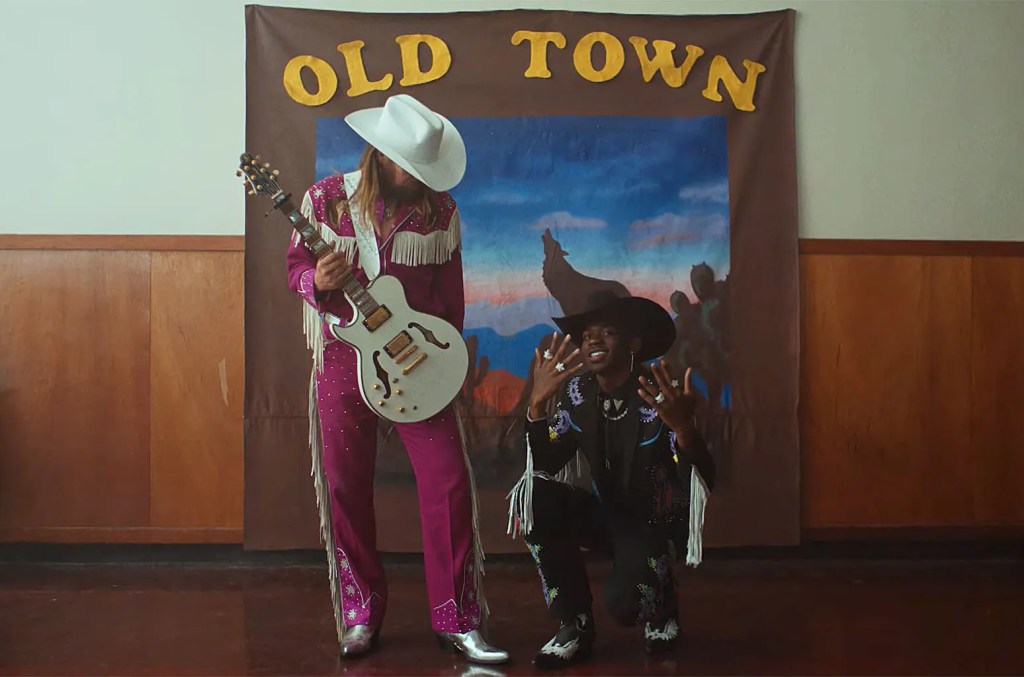
This short, snappy style is a breeding ground for viral music trends. Take the success of Lil Nas X’s Old Town Road as an example: Lil Nas X used meme culture on TikTok, blending country aesthetics with hip-hop beats to make the song stand out. TikTok users made countless videos using clips of the song, mimicking horse-riding movements or acting out absurd scenarios. As a result, the song broke records on the Billboard charts, becoming one of the longest-reigning hits ever.
UGC also provides an opportunity for independent musicians with limited budgets to spread their music and videos. Take the American band OK Go for example, whose music videos are famous for their technical creativity. Their video This Too Shall Pass features a Rube Goldberg machine that inspired UGC creators to replicate similar setups. Many fans on platforms like TikTok used simple household materials to recreate such experiments, turning creativity into a shared challenge.
On one hand, this viral spread is a brilliant marketing strategy that amplifies a song’s reach. But it raises concerns: Does this shift toward bite-sized trends mean that creators focus more on short-term impact rather than overall artistic value? Is the traditional narrative depth of music videos at risk of being lost due to over-fragmentation?
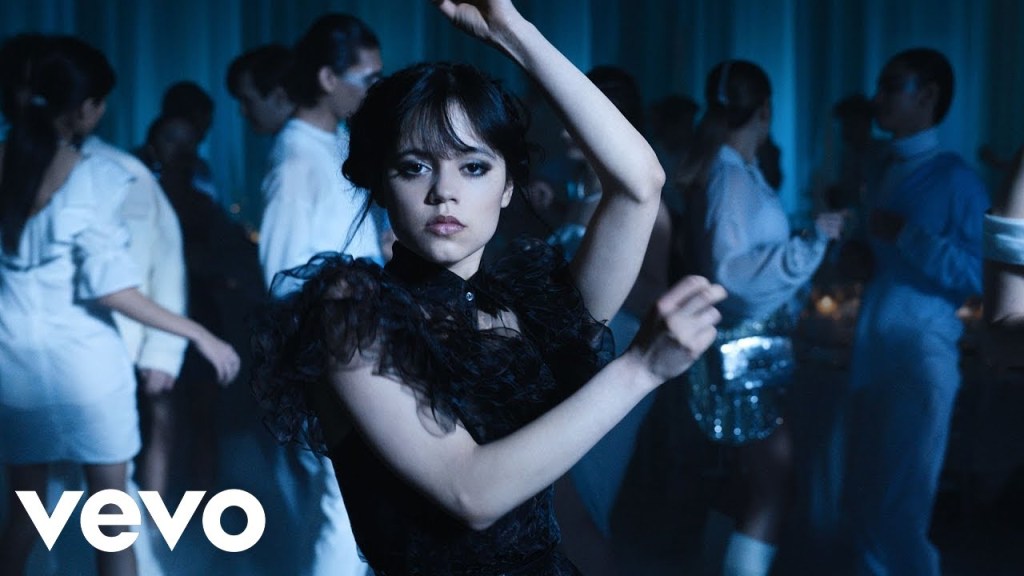
Besides, UGC also allows fans to remix and reinterpret music video content, often giving it new contexts or emotional meanings. While this increases reach, it can sometimes distort the original intention of the artist. For instance, Lady Gaga’s Bloody Mary was not designed for the “Wednesday dance” trend, but TikTok users linked it to the show by editing scenes and mimicking dance moves. This completely changed the song’s context and, arguably, compromised its artistic integrity. Artists are left balancing “artistic completeness” and “viral efficiency.” If UGC continues to dominate, complex storytelling and long takes may be seen as irrelevant, gradually pushed out of the market.
In the future, UGC will probably keep influencing how music videos are made and shared. As platforms like TikTok and Instagram change, we might see even faster trends. However, artists and creators will need to find ways to mix viral success with keeping their artistic style. We hope to see a mix of short, trendy videos and longer, more creative music videos.
Siqi Han 33846005
 Digital Audiovisual Media Class Blog
Leave a comment