Boyi Wang 33747992
The classic continuity of editing is in decline (e.g., the 180-degree rule, spatial consistency, and smooth editing transitions)-and is being undermined in modern cinema. These techniques and technologies are making the movie experience more fragmented.
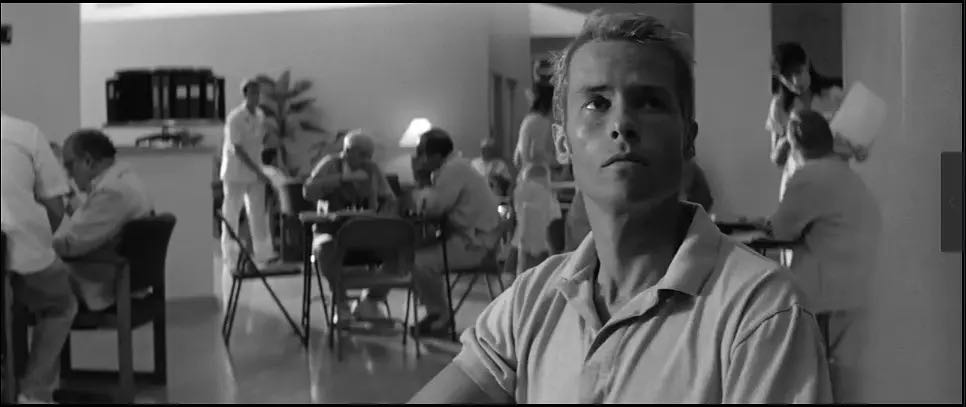
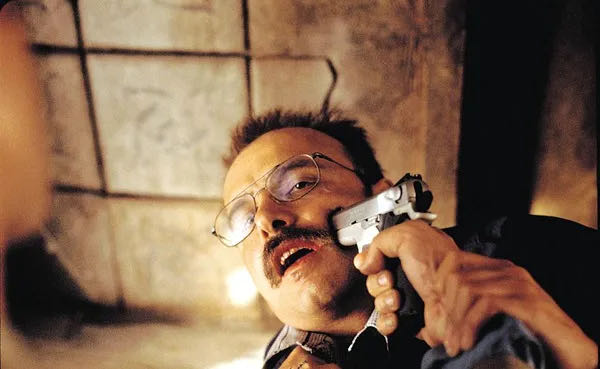
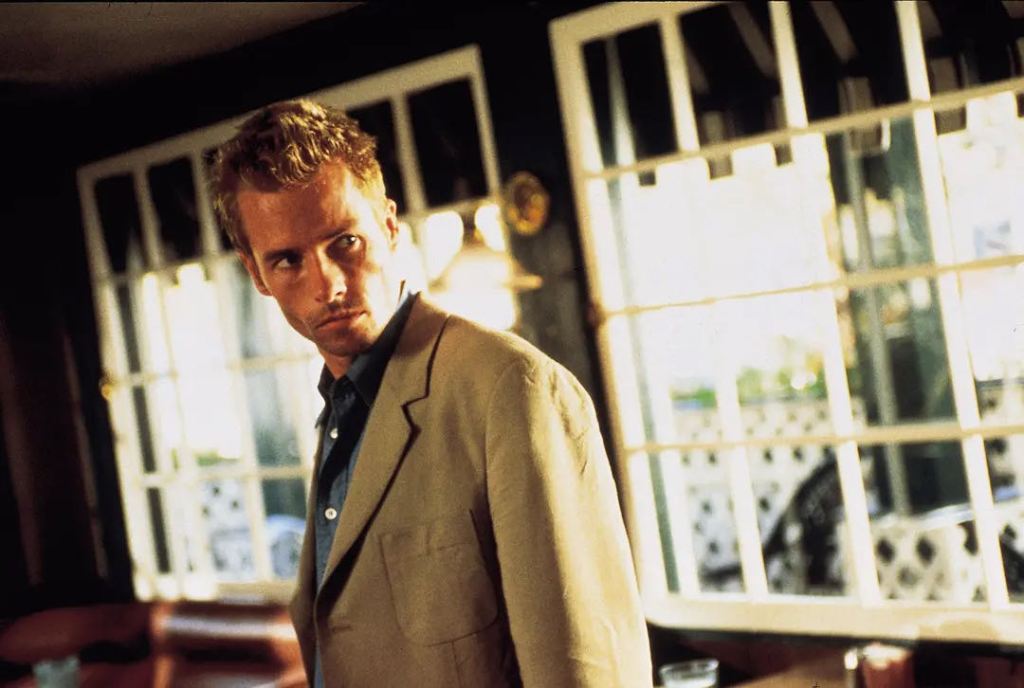
Contemporary cinema often eschews the seamless, formless editing of classic films in favor of a more fragmented, nonlinear, and jarring aesthetic that reflects the disorientation of modern life in a media-saturated world. The rise of digital filmmaking techniques and special effects has allowed filmmakers to experiment with new narrative and visual structures, rather than just limiting themselves to traditional rules of continuity. There is no shortage of good work in this new type of editing. For example, Christopher Nolan’s work Momento (2000)
Nolan’s Pieces of Memory is a seminal example of a non-linear narrative. The film simulates Leonard’s experience of amnesia and disorientation. The protagonist is not able to understand the relationship between the past and the present. The film’s narrative unfolds in two intertwined timelines: one in black and white presented in chronological order and the other in color presented in reverse chronological order. This disjointed structure creates a sense of confusion and disorientation, and the film’s editing is full of jump cuts and flashbacks. The viewer is forced to understand the structure of the entire story from the intermittent fragments, while naturally substituting into the protagonist’s point of view, just as Leonard tries to figure out his memories.
This reflects the theme of the movie, a new montage of visual elements that highlights the movie’s attempt to reorganize reality from fragmented memories.
Post-continuity cinema prioritizes the audience’s senses and emotions over narrative clarity. It usually does not focus on a clear linear progression of the story. This coincides with the trend of the new era of modern cinema that focuses more on feelings and visual effects. This is driven by a combination of technological developments and audience tastes.
 Digital Audiovisual Media Class Blog
Leave a comment