In 2024, glitch aesthetics are no longer a “new” phenomenon in music video production. From when Caetlin Benson-Alliot (2013) wrote ‘Going Gaga For Glitch…’ there has been a tremendous surge in the usage of glitch aesthetics as a visual language by various artists to explore different themes which include (but are not limited to) identity, politics, emotional vulnerability to name a few. When we look back at how much has this aesthetic evolved in a decade, there might be a few changes that we can observe. Taking Lady Gaga’s Bad Romance (2009) and FKA Twig’s Cellophane (2019) as examples of this evolution, the utilisation of glitch as a narrative device offers distinct approaches to how it can be incorporated.
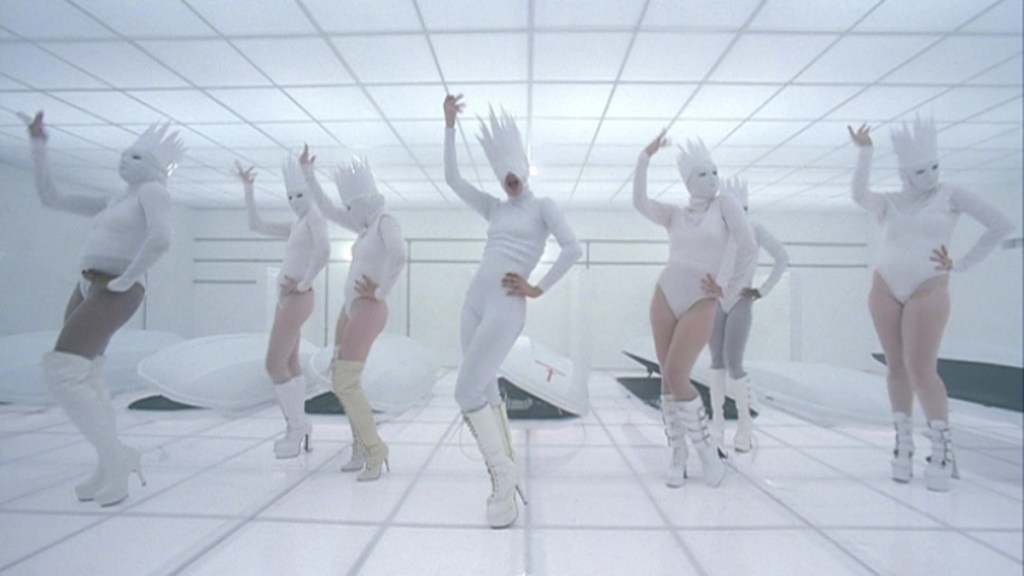

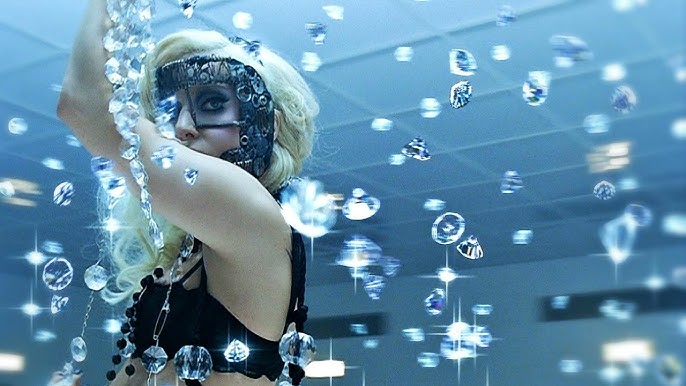
In Bad Romance, Lady Gaga employs the aesthetic to form a critique of how female pop stars are commodified in the music industry. There are many sequences in the music video that highlight this narrative or at least, allude to it. From the industrial setting to the scene where she is being sold to the men in black (pun intended) in addition to other sequences using bullet time or the enlargement of her eyes; the digital manipulations create a synthetic aesthetic that aligns with Vernallis’ observation that music videos can resist coherence to unsettle the viewer (Vernallis, 2013). The choices in the music video showcase Gaga’s transformation from someone who is captive to a symbol of resistance.


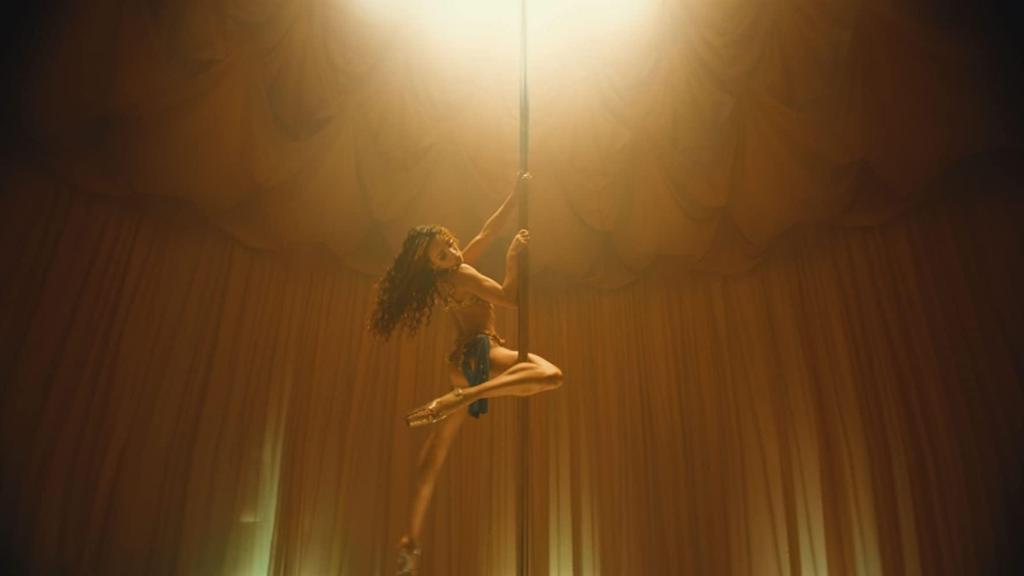
Cellophane, on the other hand, has a more introspective tonality. In one of the highlights of the video, FKA Twigs ascends on a pole into distorted light patterns, enhancing the sense of emotional fragility and encapsulating her vulnerability as she navigated the scrutiny of the digital world. There is also a figure which appears as she ascends to the top, acting like a metaphor of someone torn between the real and mediated. The CGI, disjointed motions, digital manipulation portray the alienation that Twigs faced at the time. Steven Shaviro’s(2017) concept of glitch aesthetic as both a reflection and a response to a hyper-digitised world comes to mind when viewing the music video.
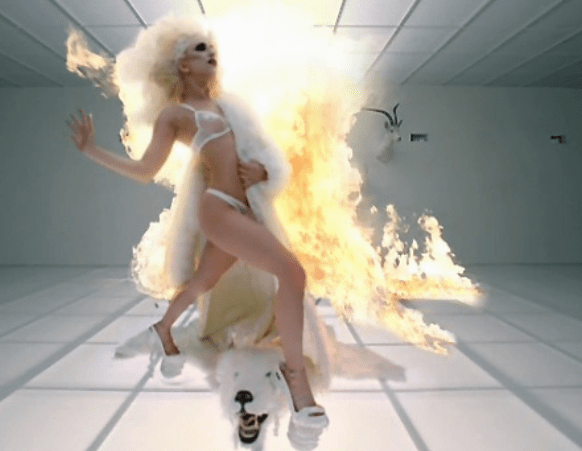
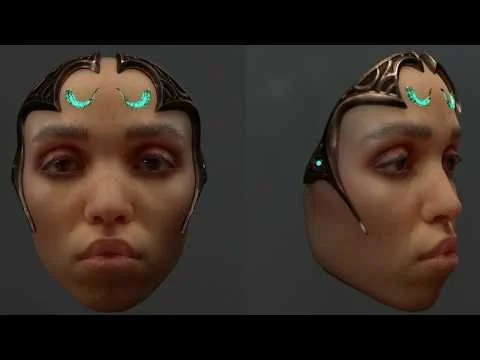
Bad Romance and Cellophane demonstrate not just an evolution from how glitch is used in a music video but also the broader changes in its production. Vernallis’ assertion that music videos act as “corporate tools” was way more evident before as compared to the last couple of years. While Bad Romance offers both spectacle and critique, it can be argued that it does reinforce a pop-star’s marketability. On the other hand, Cellophane exemplifies that glitch is in fact a space for alternative ideologies. By taking a more introspective approach on top of a disruptive one, it shows that there are multitudes to the glitch aesthetic. However, with the rise of AI and algorithms in the digital media landscape it will be interesting to see how music videos and the glitch aesthetic develop further. AI does help in democratising the tools necessary to create glitch aesthetics but the notion of glitch as a feminist and ideological tool depends on its ability to disrupt the the viewer’s perceptions(Benson-Allott, 2013). If the ‘glitch’ becomes too seamless, in addition to AI’s ethical implications, it might just lead to mass homogenisation of this aesthetic in the future.
Reference List
Benson-Allott, C. (2013) ‘Going Gaga for Glitch: Digital Failure and Feminist Spectacle in Twenty-First Century Music Video’. In: Vernallis, C., Herzog, A., and Richardson, J. (eds.) The Oxford Handbook of Sound and Image in Digital Media. Oxford: Oxford University Press, pp. 127–139.
Shaviro, S. (2017) ‘Glitch Aesthetics’, Digital Music Video. Rutgers University Press, pp. 51-75. http://www.jstor.org/stable/j.ctt1pwtdmg
Vernallis, C. (2013) ‘Music Video’s Second Aesthetic?’, Unruly Media: YouTube, Music Video, and the New Digital Cinema (online edn), Oxford Academic. https://doi.org/10.1093/acprof:oso/9780199766994.003.0010
Paarth Pande, 33811391
 Digital Audiovisual Media Class Blog
Leave a comment