Music videos are not only an artistic fusion of visual and auditory elements, but also a stage for expressing identity and culture. In this field, Queer aesthetics are gradually breaking traditional narrative rules to provide unprecedented forms of expression for sexual orientation and gender diversity.
Queer aesthetics is a form of visual movement that persistently surrounds us. (Amin, K., Musser, A.J. and Perez, R., 2017) It is characterized by fluid gender identity, complex emotional expression, and surreal visual language, imbuing music videos with the power of liberation and challenge. For example, Troye Sivan’s “Bloom” uses vibrant visuals and graceful body language to convey the freedom of gender fluidity and sends a message of exploration and acceptance. Lil Nas X’s “MONTERO (Call Me By Your Name)” takes it a step further, using bold narratives and religious imagery to push Queer identity from the margins of concealment into the center of public discourse.
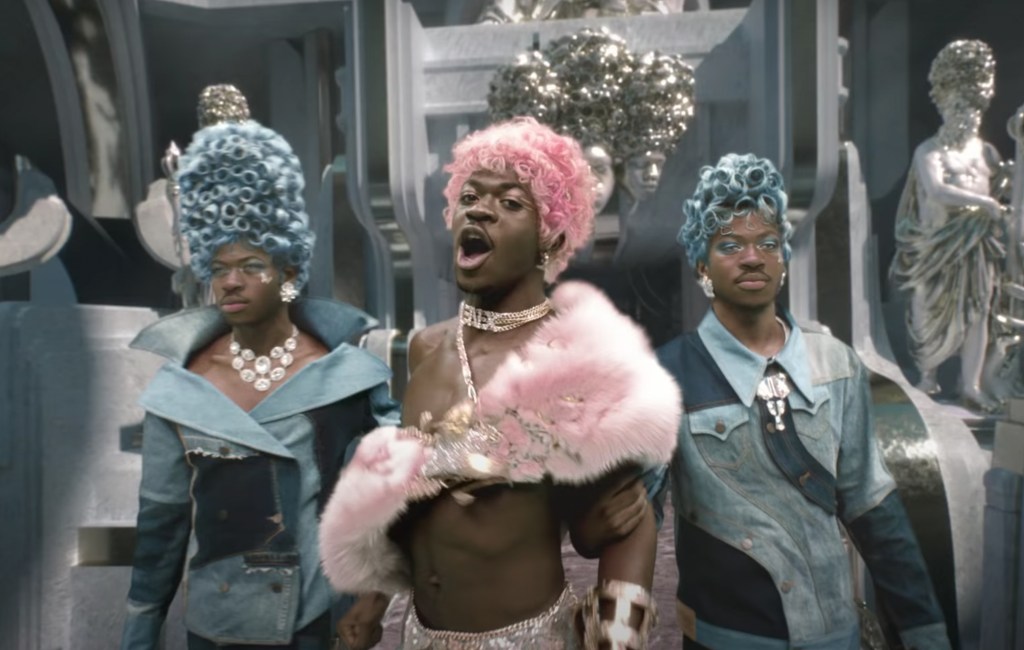
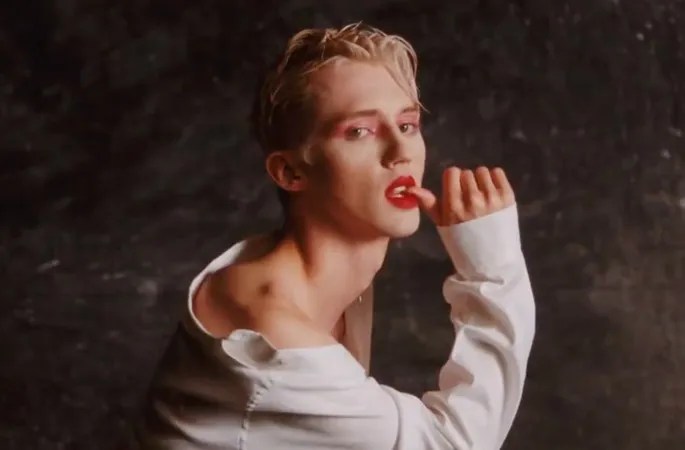

The rise of digital technology has provided new tools for Queer aesthetics. In music videos, virtual filters, animations, and augmented reality techniques not only create mesmerizing visual effects, but also give artists the opportunity to break beyond biological gender boundaries. FKA twigs’ “Cellophane” is a typical example, in which she combines fragility and strength, femininity and transcendence of gender.
The concept of “queer” challenges simple definitions and encourages us to think beyond the normalization process. (Browne, K., 2006) Queer aesthetics not only challenges traditional gender and sexual stereotypes but also inspires more audiences to resonate with the diversity of identity. By transcending binary oppositions in expression, music videos become a cultural force that supports and advocates for gender and sexual liberation.
Junxi Li 33839720
Reference List:
Amin, K., Musser, A.J. and Pérez, R., 2017. Queer Form: Aesthetics, Race, and the Violences of the Social. ASAP/Journal, 2(2), pp.227-239.
Browne, K., 2006. Challenging queer geographies. Antipode, 38(5), p.885.
 Digital Audiovisual Media Class Blog
Leave a comment