
Nowadays, social media has a very important place in today’s digital age, and music videos are undergoing a certain amount of visual and narrative innovation through digitisation to a certain extent. The simple visual expression of MTV in the early days and the use of digital special effects and virtual reality nowadays represent the fact that music videos are not just an add-on to a musical composition, but an important part of the conceptual integrity of the music as a whole. aespa, as a popular kpop group in recent years, has also brought the style and quality of their music videos to their fans and listeners along with the advancement of the digital age. The music video for ‘Armageddon’, the title track of this year’s release, is a perfect demonstration of digital technology, especially in terms of visual effects and narrative techniques, which are both highly innovative!
With the rise of digital platforms such as Vimeo and YouTube, the music video has not only become a space for artists to express themselves, but has also provided unprecedented freedom for visual effects and technological experimentation (Cookney, 2017). aespa’s Armageddon is a product of this technological breakthrough. aespa’s music video incorporates a wide range of advanced digital effects such as particle effects, light tracking and virtual city backdrops. The music video features a number of advanced digital effects, such as particle effects, ray tracing and virtual city backdrops, which inject a strong sense of futuristic and immersive experience into the music video. While aespa’s videos are very appealing to fans and viewers and maintain super high production standards, their music may be an afterthought, a theory that is not dispelled by actual listening (Petridis, 2024).



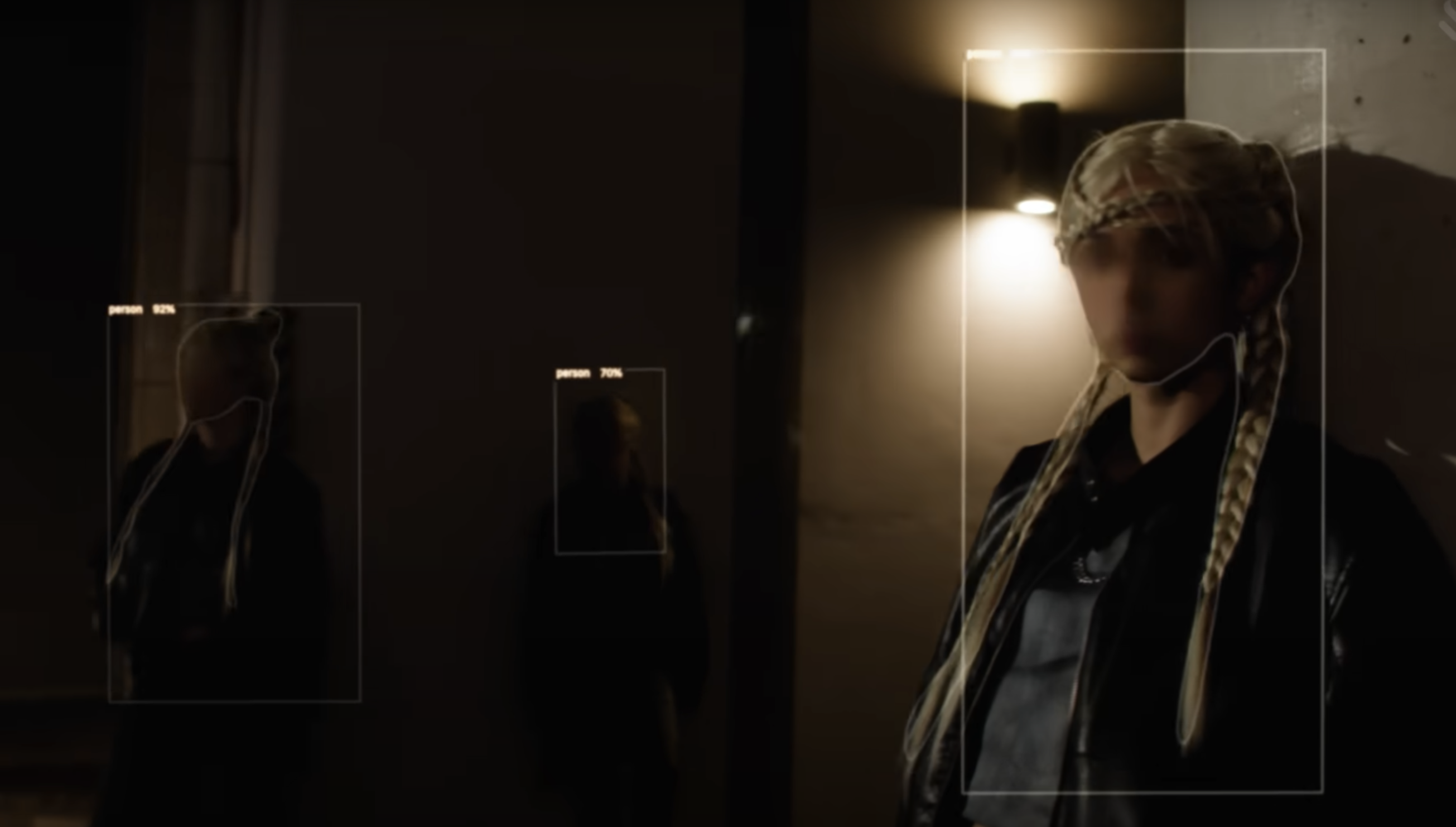
The rise of social media and user-generated content (UGC) platforms has in part led to a profound change in the way music videos are produced and distributed, with platforms such as YouTube allowing anyone to create music videos through digital tools rather than just a team of professionals (Vernallis, 2013). This change has not only been seen in the popularity of video production, but also in its aesthetics, as music videos have become more open and experimental, allowing technology and art to collide. aespa’s Armageddon exemplifies this change, combining a digital visual language with highly immersive virtual reality environments, a combination that gives the viewer a unique perspective on the music video. The music video blends digital visual language with a highly immersive virtual reality environment, a conceptualisation that the combination brings to the audience. Surveillance footage, the boundaries between the virtual and real worlds, and the wings of the digital effects production can be seen in the video, which to some extent emphasises the huge potential of the music video as a combination of technology and art.
Reference
Cookney, D. (2017). ‘Vimeo Killed the Video Star: Burial and the User Generated Music Video’, Music/Video: Histories Aesthetics, Media, 255-267.
Petridis, A. (2024) AESPA: Armageddon review | Alexis Petridis’s album of the week, The Guardian. Available at: https://www.theguardian.com/music/article/2024/may/30/aespa-armageddon-review-k-pop
Vernallis, C. (2013). ‘Music Video’s Second Aesthetic’, Unruly Media: YouTube, Music Video, and the New Digital Cinema, 207-233.
Zeming Xu 33838915
 Digital Audiovisual Media Class Blog
Leave a comment