Netflix has taken over the digital streaming world for modern television, allowing new forms of production and consumption for its members. By releasing seasons of films and or series, Netflix has created a platform where the member is in control allowing them to consume narratives at their own pace and therefore gaining continuous engagement on the platform Jenner (2018).
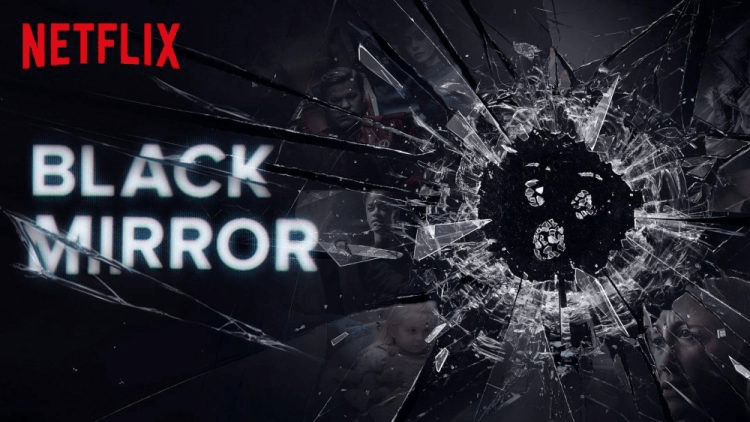
The rise of this convenience for members has created a rise in binge watching. Some of Netflix’s most popular shows have been designed specifically to embrace long-form storytelling, with complex plots that keep the audience engaged throughout the series. Lotz (2017) suggests this has led to a ‘nonlinear television’ as episodes can be watched without going in chronological order. Such as Netflix’s Black Mirror (2011). This engages audiences to binge watch as they get a different experience regardless of what episode they are on.
Since Netflix is creating content around the world, it allows for them to also advertise and create films on topics that might not have been shown otherwise due to representation or other cultural narratives that might not fit traditional cable TV. The platform engages a different relationship between the member and the shows that Netflix produces as Mittell’s (2015) mentions are a part of ‘complex tv’. As Netflix is in charge of all of the production, advertising, distribution for its original shows, they can add interactive elements to their shows and have different storytelling techniques for different areas around the world. This changes the way that consumers view and interact with television.
To conclude, Netflix has adapted the traditional television model and redefined content to fit continuous consumption, complex and engaging narratives along with broader representation. This change in dynamic has allowed for deeper connections and more audiences to find what they want to watch, along with showing the platforms ability to change modern TV.
Bibliography:
Brooker, C. (2011) Black Mirror. [TV series]
Jenner, M. (2018) ‘Introduction: Netflix and the Reinvention of Television’, in Netflix and the Reinvention of Television. pp. 1-31, 109-118.
Lotz, A. D. (2017) ‘Theorizing the Nonlinear Distinction of Internet-Distributed Television’, in Portals: A Treatise on Internet-Distributed Television. Available at: https://quod.lib.umich.edu/m/maize/mpub9699689/
Mittell, J. (2015) Complex TV: The Poetics of Contemporary Television Storytelling. New York: New York University Press.
33740443 Fedor S.
 Digital Audiovisual Media Class Blog
Leave a comment