While there have been advances in television technology there have also been huge advances in television content, demonstrating the richness and diversity of what is now available on television.Transgender television, for example, is one of the major advances in television content.Goddard and Hogg argue that what is at stake is not so much the representation of transgender identities and their inclusion in mainstream programs, but rather the medium itself and the’shifting’ of its aesthetics and politics, which I will analyze in the classic Transgender Television of 2018:Pose.
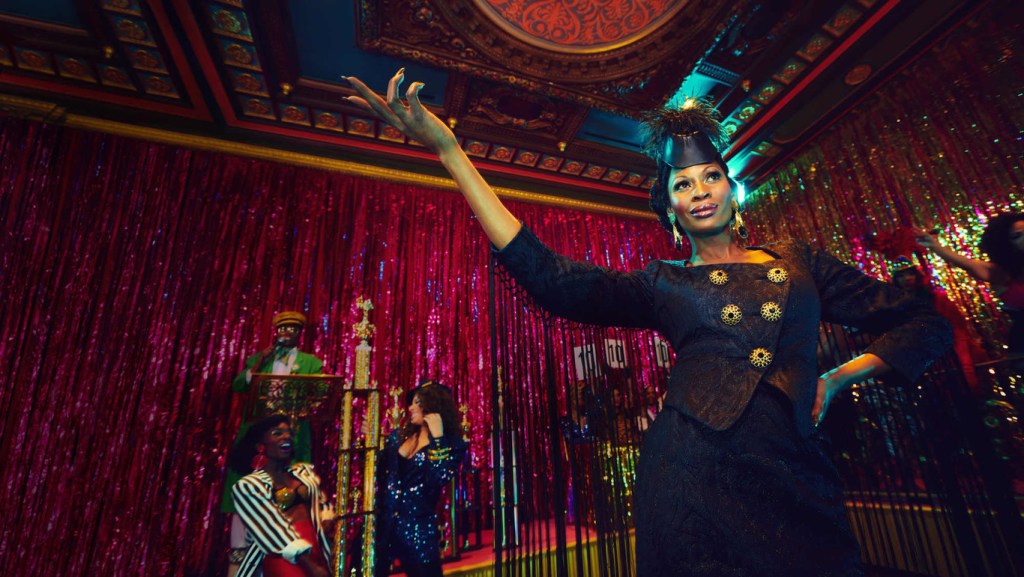
Pose(2018)
image source:https://images.app.goo.gl/Q7NHZxqF7PkH4Aen8
The television series focuses on 1980s dancehall culture, which developed in New York City’s black and Latino LGBTQ+ populations.A key aspect of dance hall culture on television is “Ball,” a sophisticated performance competition in which players compete by mimicking and presenting many styles and categories.These contests are more than simply about looks; they also explore personal identity and societal position.Blanca Evangelista is one of the show’s main characters and also its essence. At the start of the series, Blanca decides to leave the original “House of Abundance” and her relationship with her disrespectful mother and family members in order to build her own House.This choice demonstrates her emphasis on her identity, as well as the fact that transgender persons frequently need to leave traditional family systems in order to achieve a meaningful feeling of belonging.Furthermore, Blanca’s portrayal speaks directly to the transgender community’s challenging struggles with self-identity and societal acceptability.In the play, she has undergone gender reassignment surgery, and the play depicts how she copes with societal rejection and marginalization after getting a female identity, as well as how she lives independently of others.ln addition to Blanca, the series depicts other transgender people whose growing up tales highlight their fortitude and tenacity as they navigate huge social and familial challenges while discovering their identity.
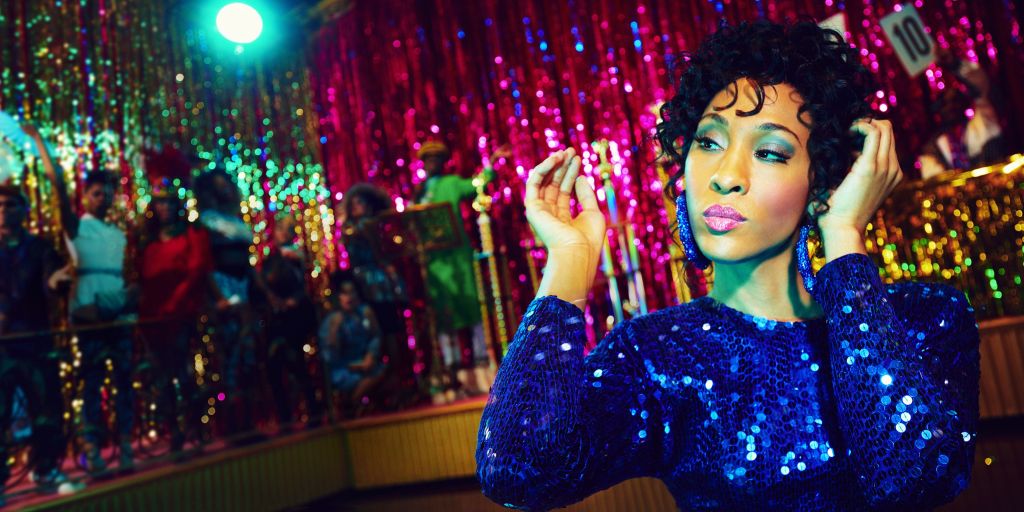
image source:https://images.app.goo.gl/9ZfaczDDuJjgB3rc8
In general, transgender television is an important advancement in contemporary television because it teaches the public that gender is no longer a fixed label.Transgender television also promotes social inclusion and gives voice to transgender people, which is a step forward in promoting social change and cultural progress.As the transgender genre continues to expand, the television business will remain a vital forum for social transformation and cultural progress.
Reference:
Michael Goddard and Chris Hogg 2020, ‘Introduction: Trans TV Re-evaluated part II’, Trans TV Dossier 3, Critical Studies In Television 15: 3: https://journals.sagepub.com/toc/csta/15
By Chuyi Zhang-33741312
 Digital Audiovisual Media Class Blog
Leave a comment