Baz Luhrmann, australian director and producer, is known for his lack of naturalism and incredible merging of visual effects and soundtracks in his movies, managing to bring stories set in the past into our present.
Luhrmann’s films are characterised by fast paced editing, striking visuals and his choices of music. Post cinema can be identified with intense continuity: “more rapid editing . . . bipolar extremes of lens lengths . . . more close framings in dialogue scenes . . . [and] a free-ranging camera” (Bordwell 2008, 16-21). Post- continuity stylistics are expressive both of technological changes and of more general social, economic, and political conditions (Shaviro, 2016). Luhrmann uses this to make his stories and films an all-immersive experience with his audience. This, however, does not take away from the story itself. The editing and music used in his movies reflects the story, the plot and the characters’ profile.

In Elvis (2022) for example, the fast paced editing, the remix of Elvis’ classic songs and the colour palettes used can be said reflect the extravagance of the 60s, and although Luhrmann’s creative decisions are exaggerations, they don’t take away anything from the story, but rather help a younger audience of this generation to appreciate an old time story like Elvis’, and makes this biopic much more enjoyable to watch.
The Great Gatsby (2013) also follows the same pattern: the editing, costumes and music are an exaggeration and reflection of the Roaring 20s, where parties, money and luxury were the prevalent aspect of this era. Luhrmann manages to tell the tragic love story of Daisy and Gatsby in the contrasting background of what seemed to be a carefree and “fun” era of history. Using songs such as “A little party never killed nobody” from Fergie and “Young & Beautiful” by Lana Del Rey, the director merges 21st century pop artists in the all time classic novel, merging party scenes and montages with these tracks to achieve a certain feeling in the audience. The party scene with Fergie’s song draws the audience in the party itself, with the fast paced editing and camera close ups to the dancers, giving you the feeling of being there in the moment. The montage of Gatsby, Nick and Daisy with Lana del Rey’s song (that was written for the movie) perfectly portrays the feelings that the characters were feeling in the scene, making the audience care about this turbulent relationship as much as Nick did.
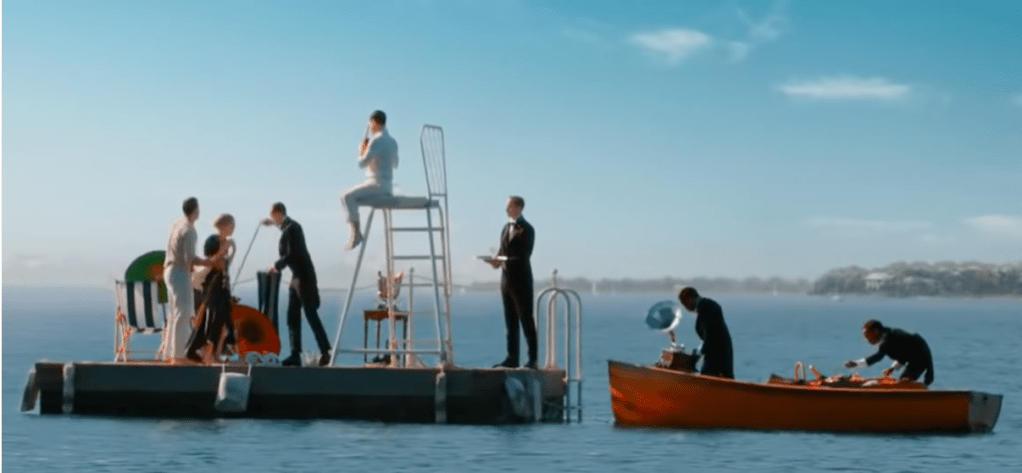
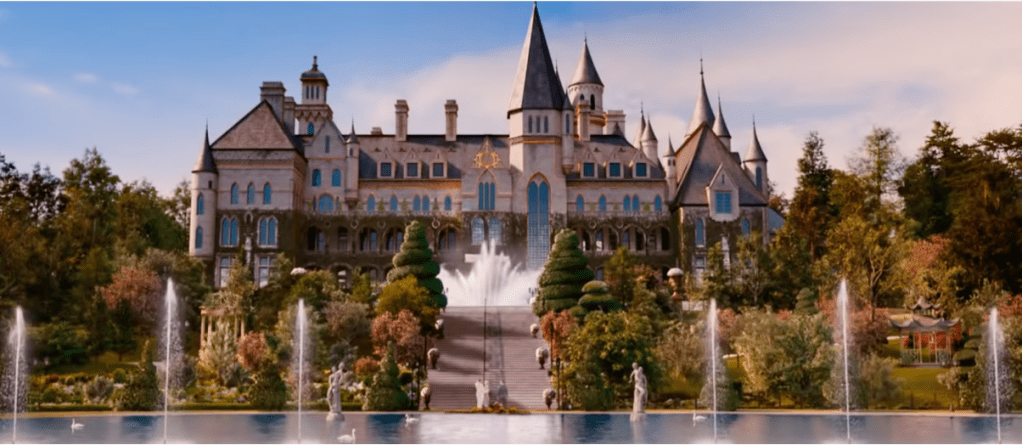
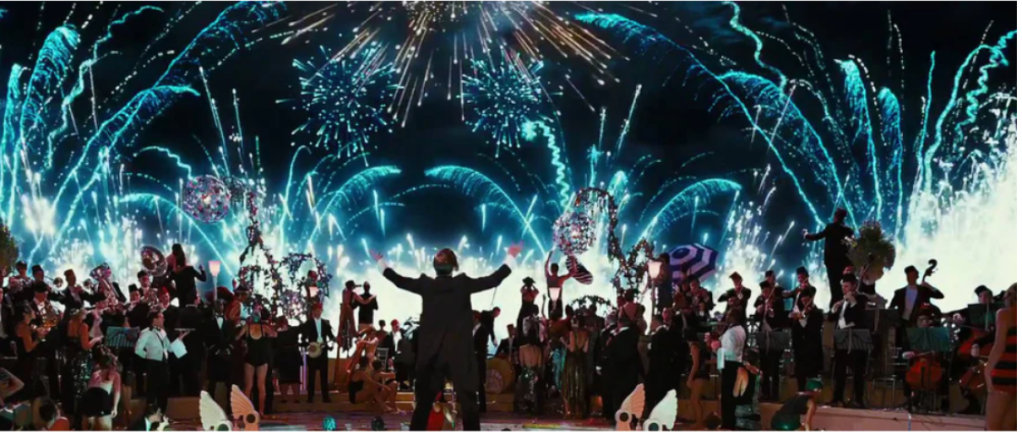
While there are developing academic critiques that see these digital effects as valuable non-narrative experiments in sensation/perception, I believe that Baz Luhrmann uses the advantages of post cinema and the aesthetics of post-continuity. Post- continuity stylistics are expressive both of technological changes (i.e. the rise of digital and Internet-based media) and of more general social, economic, and political conditions
Reference List
Shaviro, S. (2016). Post-cinema: Theorizing 21st-century Film. REFRAME Books.
Giulia Lanfrancotti 33750235
 Digital Audiovisual Media Class Blog
Leave a comment