Music video as an art form is not only a visual expression of music, but also includes the artist’s own expression of cubu slture, fashion and social awareness. The ability to communicate music videos in the digital age has the potential to communicate specific ideas, and Troye Sivan’s status as an openly LGBT public figure carries with it the potential to do so, as most of his music content and music videos are related to him. The music video for ‘Rush’ presents a utopian scene that celebrates cool kid culture and identity freedom with its diverse cast and fast pace. Though adequate in its portions expressing inclusivity and diversity, its music video nonetheless sparks discussion in terms of race and gender.
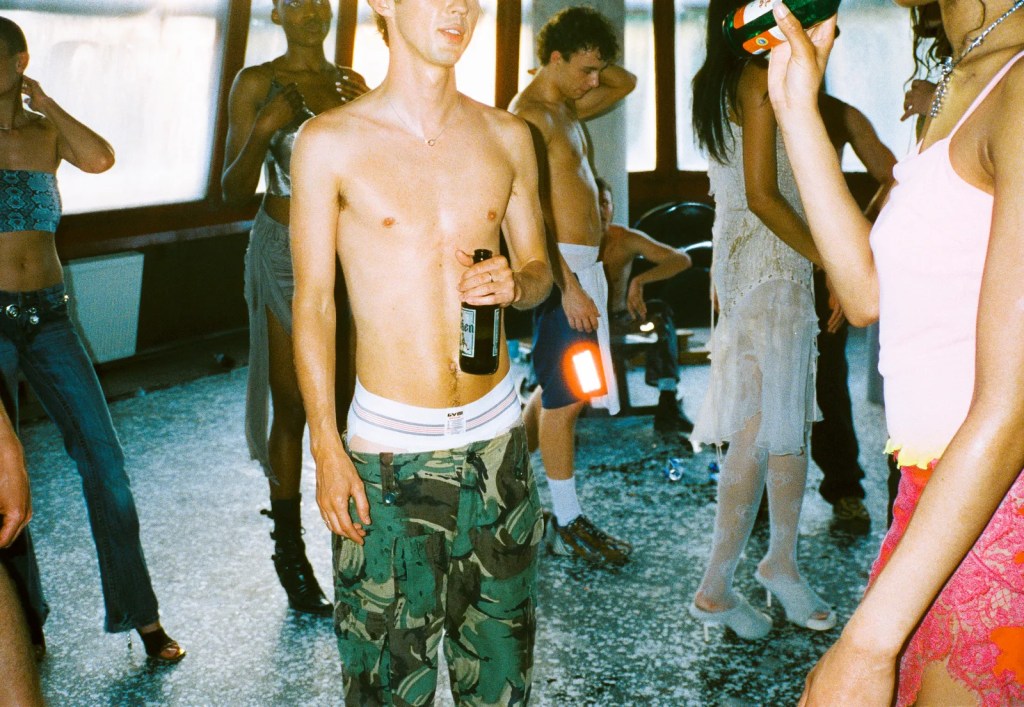
In terms of racial representation, Rush is to some extent rich in showing the diversity of society through many actors of different backgrounds. But to a large extent racial diversity in music videos is often presented in a symbolic way (Diane and Paul, 2011). Although ‘Rush’ highlights the energy and dance performance of the black cast to some extent, their roles are still largely clustered in the background sections rather than at the heart of the narrative. This is not intentional, but it does suggest that there may be room for further improvement in racial representation.
In terms of gender, Rush showcases the diverse charms of the male body and highlights the unique tensions of cool kid culture. From the perspective of digital aesthetics, the digital aesthetics of music videos offer rich possibilities for gender expression, and ‘Rush’ conveys an openness to gender fluidity through its representation of dynamic dance and group interaction. Unfortunately, however, there are relatively few female and non-binary gender roles in ‘Rush’, and an appropriate increase could have more fully represented the inclusivity of cool culture (Benson-Allott, 2013).

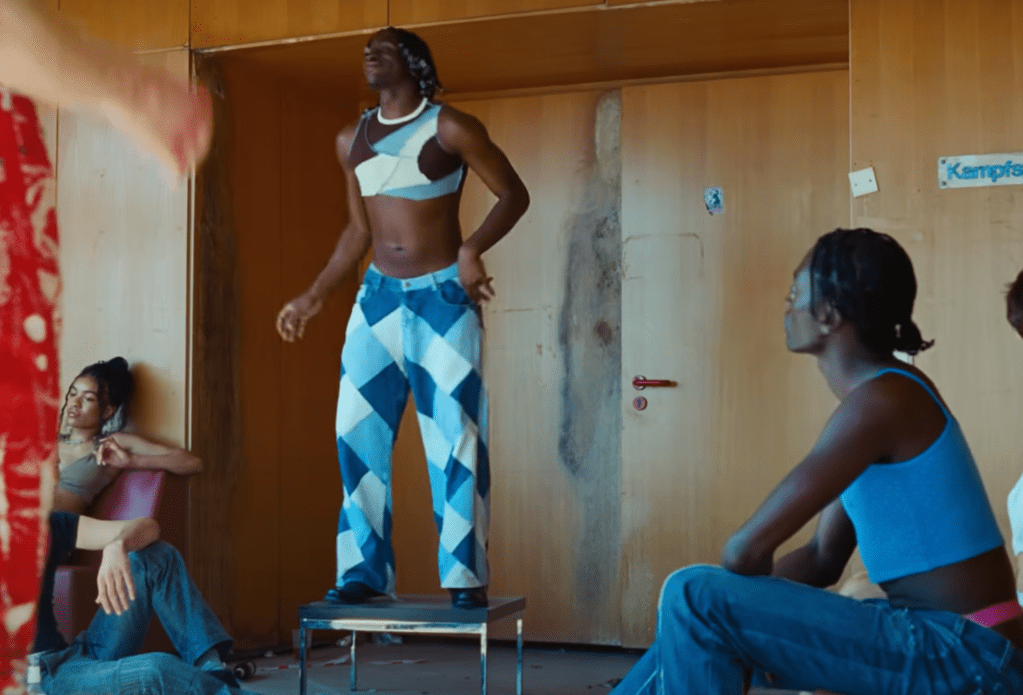
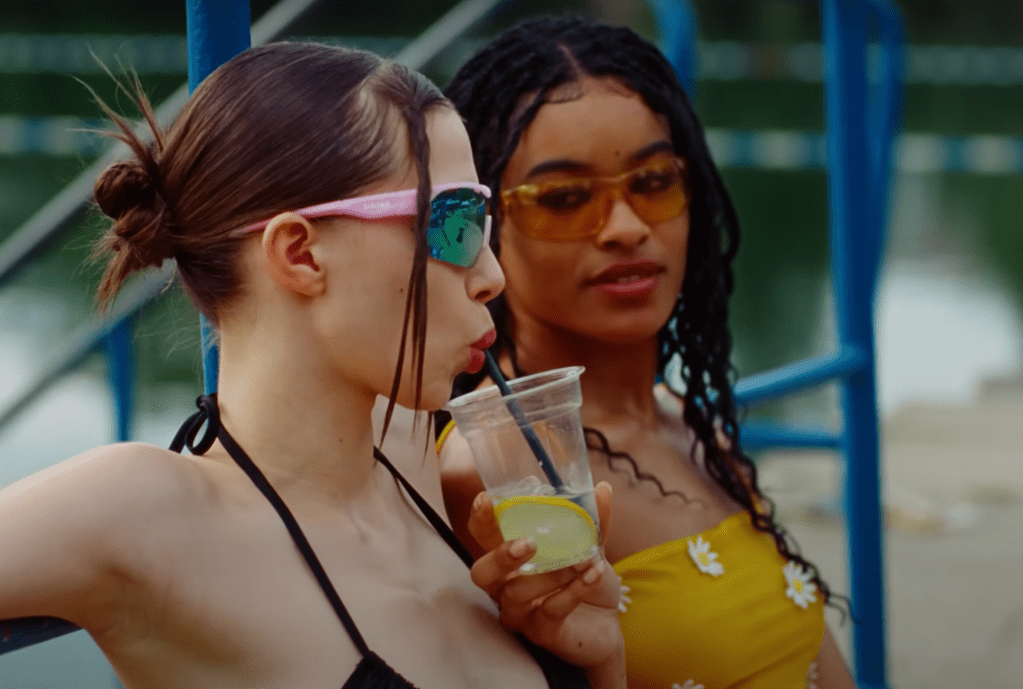
Digital aesthetics is not only a tool for visual expression, but also an important way of cultural and social exploration. The video style and fluid narrative of ‘Rush’ shows viewers a universal aesthetic of coolness, a form that, while easily accessible to viewers, may be able to explore the complexity of identity diversity through richer representations in the future (Shaviro, 2017).
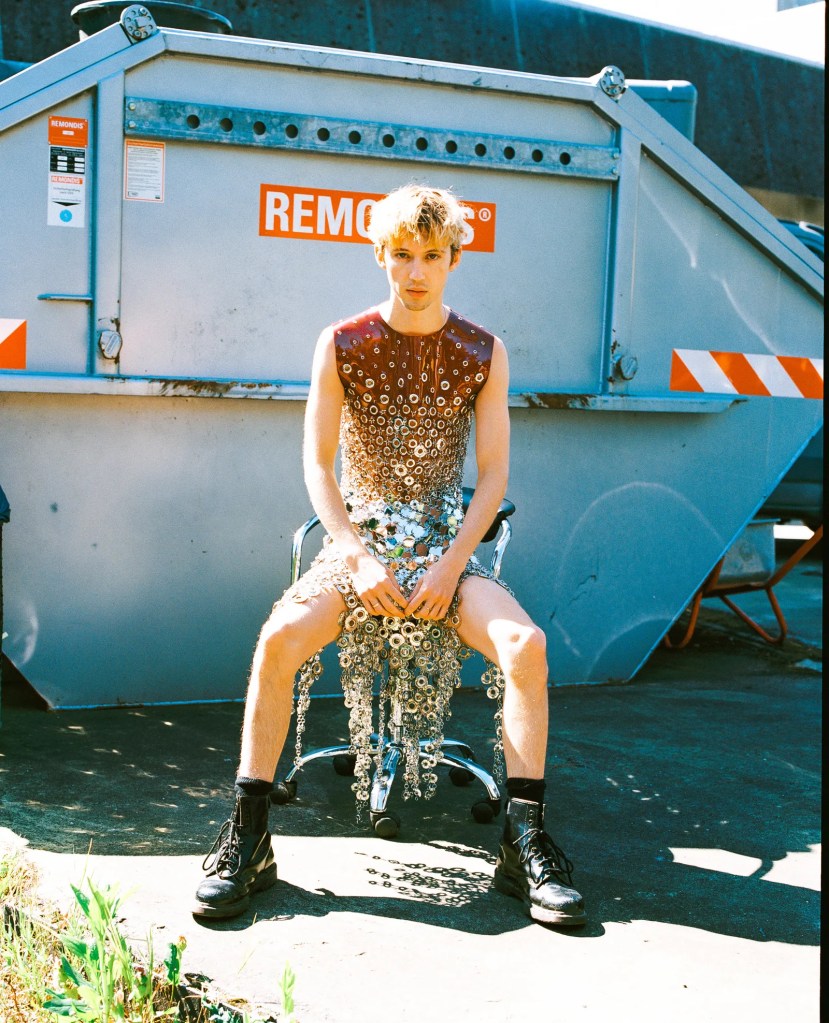
Rush is a somewhat positive, freewheeling exploration about emotions and cultural resonance. It also brings insightful reflections on race and gender, while inspiring artists to continue to discover fuller and deeper expressions of inclusivity.
Reference
Benson-Allott, C. (2013). ‘Going Gaga for Glitch: Digital Failure and Feminist Spectacle in Twenty First Century Music Video’. In Vernallis, C., Herzog, A. & Richardson, J. (eds.) The Oxford Handbook of Sound and Image in Digital Media. OUP USA, pp. 127-139.
Railton, D. & Watson, P. (2011). ‘Music Video in Black and White: Race and Femininity’. In Music Video and the Politics of Representation. Edinburgh University Press, pp. 87-107.
Shaviro, S. (2017). ‘Glitch Aesthetics’. Digital Music Video. In Post-Cinematic Affect.
Zeming Xu 33838915
 Digital Audiovisual Media Class Blog
Leave a comment