Boyi Wang 33747992
YouTube, the largest video site today, has given viewers more video options. It has also created a creative space for self-published creators, and reaction video is a popular video format today.
Reaction videos, according to McDaniel, are performative acts in which YouTube creators (often referred to as “reactors”) show their real (and sometimes exaggerated) emotional reactions to various things.
The “reactivity” in these videos is at the core of their appeal, as viewers can witness real moments or performative moments that create an emotional connection to the scene. This “reactivity” is not only a private, subjective experience but also a public, shared performance that becomes part of the creator’s personal image and brand.
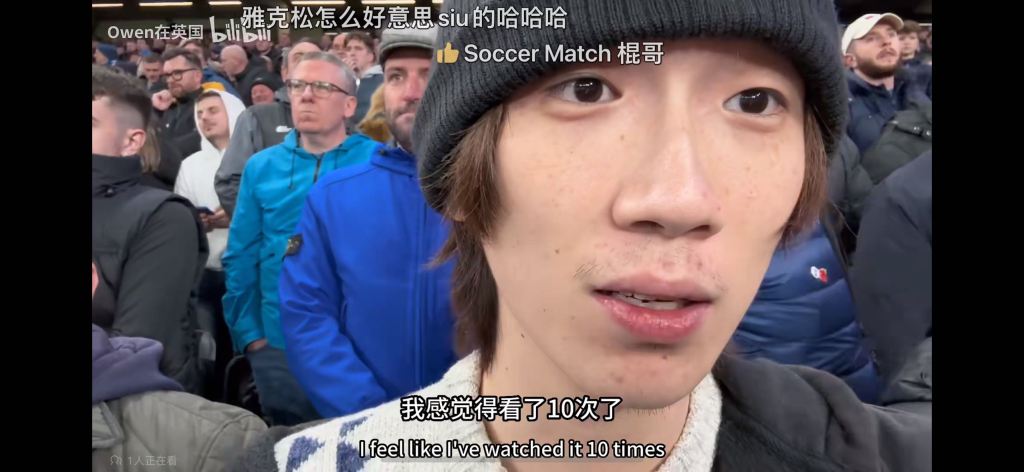
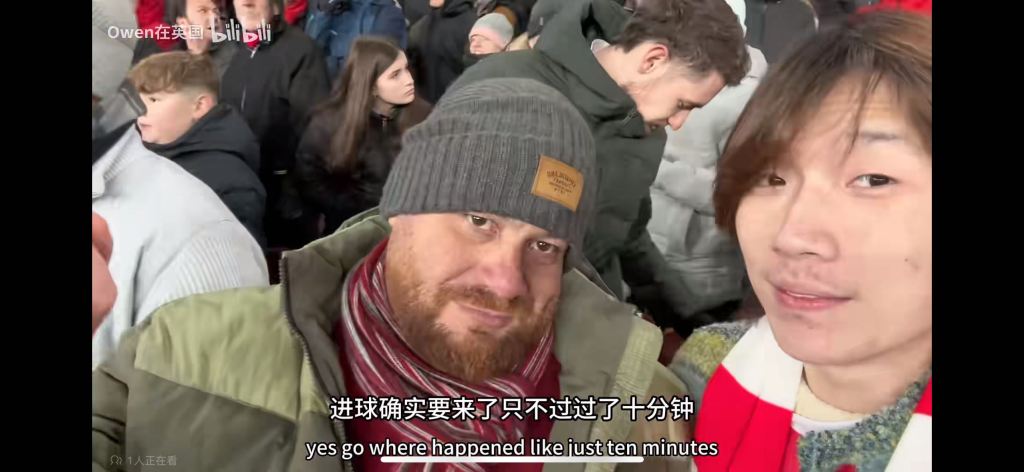
I would like to share my own experience of making reaction videos on my channel “Owen in the UK”, which focuses on my experience of watching live soccer matches in the UK. Since my videos are posted on TikTok in China, they will give a more realistic experience to many people who dream of coming to the UK to watch soccer but can’t make it to the game. It lets them know how the stadiums are constructed and build a complete viewing experience. It’s a sense of sharing, of sharing a private experience with all. In this kind of reaction video, creators need to do their best to express their feelings. These feelings are sometimes exaggerated, but because they hold the function of creation and distribution, the blogger needs to make sure that the viewer can feel their emotions and thoughts. The success of reaction videos relies heavily on viewer participation.McDaniel notes that these videos foster an interactive relationship between the creator and the viewer. Feedback provided by viewers in the form of comments likes, and shares often influence the creator’s next step in content production. This creates a feedback loop in which creators and viewers influence each other’s expectations and behaviors. Correspondingly, viewers become fans by choosing bloggers who think like them and continue to watch their videos.
Reference
Byrd McDaniel (2020), ‘Popular music reaction videos: Reactivity, creator labor, and the performance of listening online’, New Media and Society, 23:6, 1624-1641.

 Digital Audiovisual Media Class Blog
Leave a comment