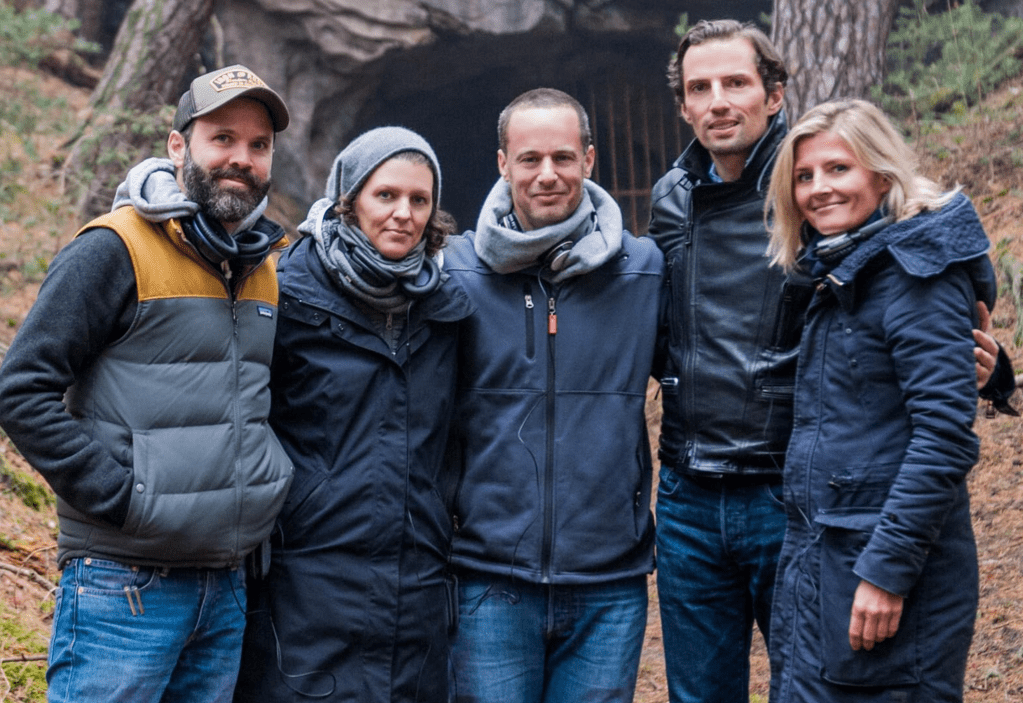
Dark is a German sci-fi thriller television series created by Baran bo Odar and Jantje Friese. As Netflix’s first German-language original series, Dark quickly became a topic of global discussion upon its release. This article delves into the unique narrative structure and production quality of Dark, integrating personal viewing experiences, online resources, and academic literature to analyze its groundbreaking serialized storytelling model.
Complex Storylines and Intricate Worldbuilding
Spanning three seasons from 2017 to 2020, Dark is renowned for its intricate narrative and elaborate worldbuilding. The series weaves together the lives of four interlinked families, unraveling shocking connections with every episode. One of the most compelling aspects for viewers, including myself, is the revelation of unexpected familial relationships, such as discovering that one character is another’s father—a recurring motif that surprises and delights throughout the series.
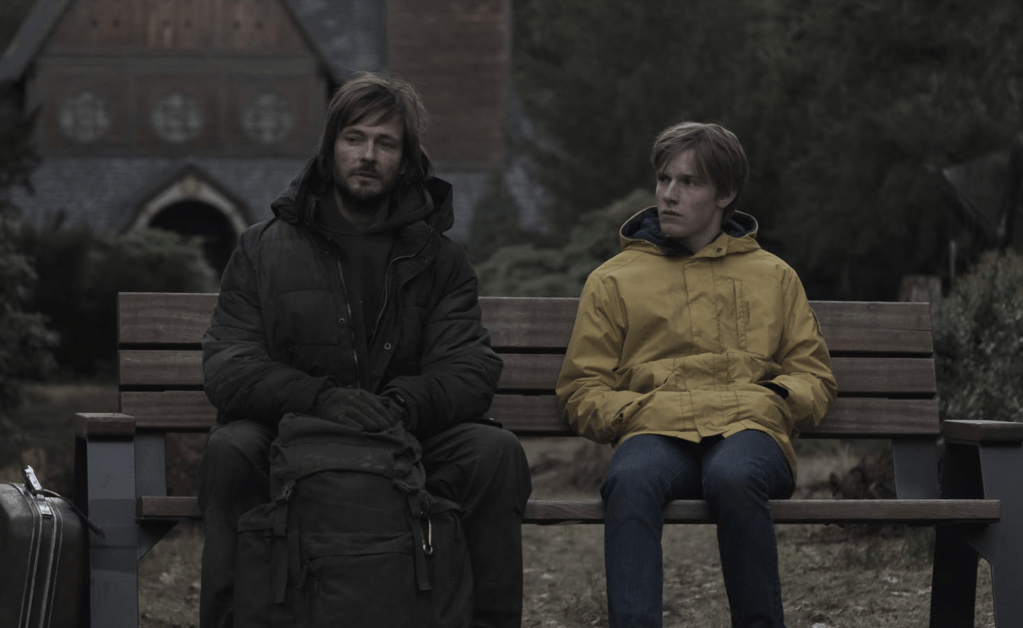
Unlike conventional television dramas, which often focus on one or two families, Dark explores intergenerational and temporal complexities across four families. This ambitious approach enhances the narrative’s depth and complexity, requiring audiences to understand characters not only in isolation but also within their respective time periods and familial contexts. Such multi-layered storytelling aligns with postmodern cinematic perspectives, emphasizing nonlinear narratives and fragmented character arcs to engage viewers in novel ways (Jenkins, 2006). The world of Dark thus offers fertile ground for examining character motivations and exploring alternative interpretations of their actions.
Meticulous Visual Production
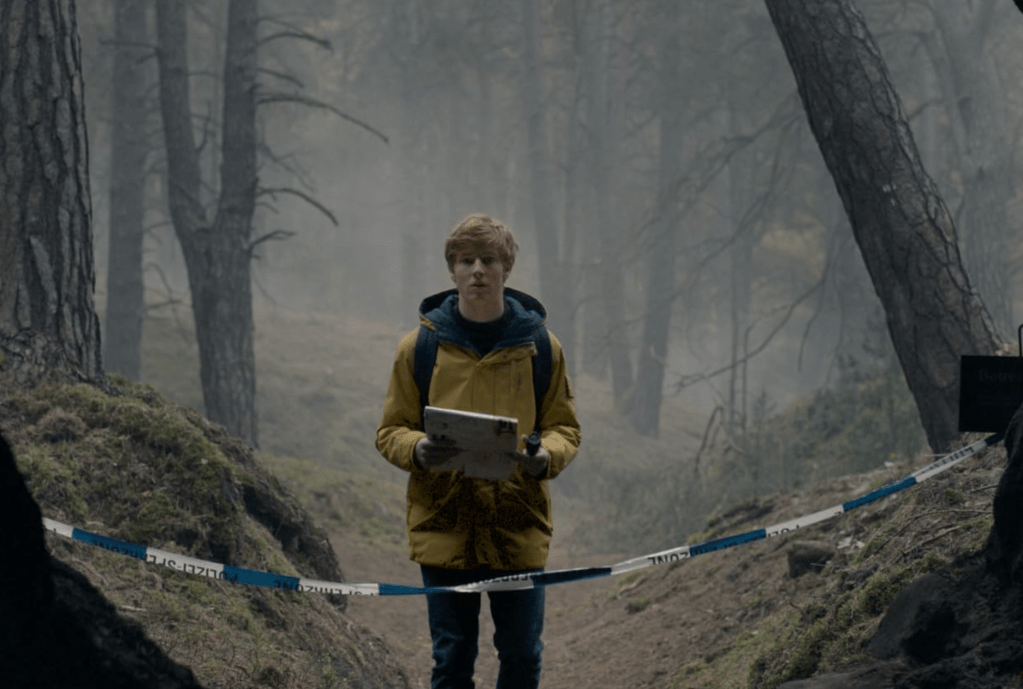
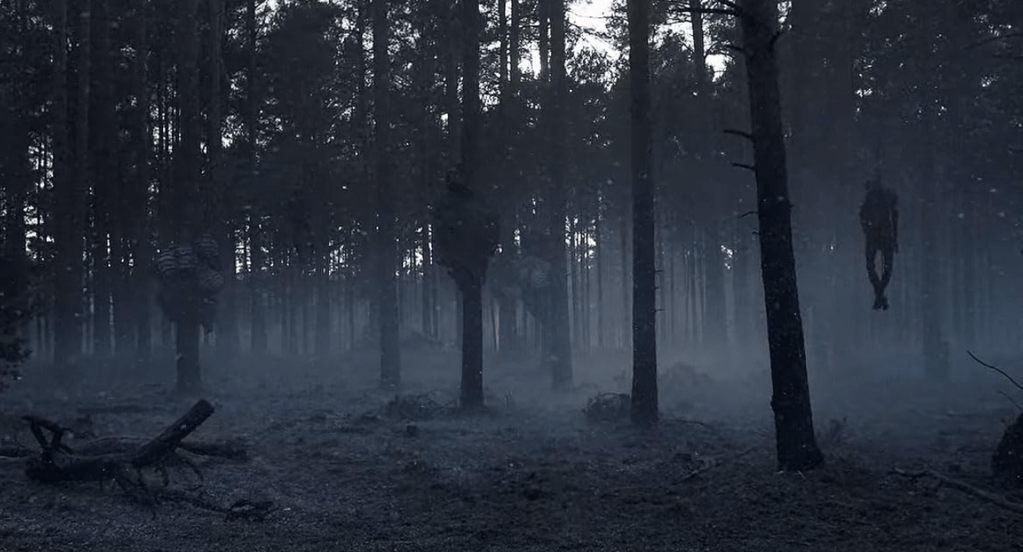
The visual aesthetics of Dark are as sophisticated as its storytelling. Many scenes achieve cinematic quality through meticulous attention to cinematography, editing, and set design. Netflix’s production standards play a pivotal role in achieving this visual excellence, with the fictional town of Winden depicted in a way that feels hauntingly real and immersive.
The series also excels in its historical authenticity. Whether through costume design, props, or set recreation, Dark convincingly portrays different eras, seamlessly transitioning across decades without compromising authenticity. Such attention to detail reflects the broader industry trend of streaming platforms investing heavily in high-quality production to differentiate their content and attract global audiences (Tryon, 2013).
The Netflix Model and Its Broader Implications
As a representative of Netflix’s innovative production model, Dark exemplifies the platform’s ability to push boundaries in serialized storytelling. Netflix’s global reach and commitment to localized yet universally appealing content have reshaped the streaming industry (Lobato, 2019). The success of Dark underscores the advantages of this approach, offering insights into how streaming platforms can balance cultural specificity with global accessibility.
Moreover, Netflix’s extended production timelines and generous budgets enable the creation of series like Dark, which spans decades in both its narrative and production cycles. By fostering collaborations with international creators and investing in ambitious projects, Netflix sets a benchmark for future television production, encouraging other platforms to adopt similar strategies (Lotz, 2021).
Dark represents a milestone in serialized television, blending an intricate narrative structure with cinematic production values. Its success reflects both the creative vision of its creators and the transformative impact of Netflix’s production model on global storytelling. As we analyze such series, we not only appreciate their artistic merit but also gain insights into the evolving landscape of media production, offering lessons for the development of future serialized content.
References
Kevin McDonald and Daniel Smith-Rowsey (2016), The Netflix Effect: Technology and Entertainment in the 21st Century. London; New York: Bloomsbury.
Jenkins, H. (2006). Convergence Culture: Where Old and New Media Collide. New York University Press.
Jason Mittell, Complex TV: The Poetics of Contemporary Television Storytelling. New York: New York University Press, 2015.
Tryon, C. (2013). On-Demand Culture: Digital Delivery and the Future of Movies. Rutgers University Press.
Lotz, A. D. (2021). Media Disrupted: Surviving Pirates, Cannibals, and Streaming Wars. MIT Press.
Lobato, R. (2019). Netflix Nations: The Geography of Digital Distribution. NYU Press.
Smith, P. (2018). “The Rise of Global Television Streaming.” Journal of Media Studies, 25(3), 45-67.
https://www.imdb.com/title/tt5753856/?ref_=tt_mv_close
https://www.netflix.com/gb/title/80100172
https://dark-netflix.fandom.com/wiki/Dark
Writer by: Zike Ding
Student Number:33841744
 Digital Audiovisual Media Class Blog
Leave a comment