Cinema has traditionally relied on the linear progression of time to unfold its narratives—beginning, middle, and end in a causal order. However, as digital technology evolves and audience tastes shift, non-linear storytelling has emerged as a powerful tool to craft multi-layered and emotionally resonant narratives. This technique challenges viewers to engage more actively with films while providing filmmakers with innovative ways to explore characters, time, and multiple realities.
What Is Non-Linear Storytelling?
Non-linear storytelling disrupts the chronological sequence of events, shattering the traditional structure of beginning, development, climax, and resolution. By employing flashbacks, flash-forwards, parallel timelines, or intertwined realities, this technique offers more than just structural innovation—it opens a gateway to exploring abstract themes such as memory, psychological states, and subjective realities.
This approach not only adds narrative complexity but also immerses audiences in an emotional journey that transcends conventional storytelling. It invites viewers to piece together the narrative themselves, fostering a deeper connection with the film’s characters and themes.
Types of Non-Linear Storytelling
Flashbacks and Flash-Forwards: Exploring Memory and Inner Worlds
Flashbacks and flash-forwards are classic techniques used to delve into characters’ pasts or anticipate future events. For instance, Christopher Nolan’s Memento (2000) masterfully employs a reverse timeline, forcing audiences to navigate the protagonist’s fragmented memory alongside him. This narrative disorientation mirrors the character’s confusion, creating a shared sense of uncertainty and intrigue.

Similarly, Ang Lee’s Brokeback Mountain (2005) uses poignant flashbacks to reveal emotionally charged moments from the protagonists’ past, heightening the film’s emotional resonance. Through these glimpses into memory, directors can unveil deeper psychological and emotional layers, enriching the audience’s understanding of the story.

Parallel Narratives: Weaving Multiple Dimensions
Parallel storytelling unfolds across different times or spaces, often revealing unexpected connections between seemingly unrelated events. In Cloud Atlas (2012), six interwoven timelines span centuries, exploring themes of fate, free will, and human interconnectedness. Each timeline builds upon the others, creating a narrative tapestry that feels both vast and intimate.

Similarly, Quentin Tarantino’s Pulp Fiction (1994) disrupts chronological order to present overlapping storylines. This fragmented approach heightens suspense and creates a richer, multi-layered world, allowing the audience to piece together the narrative puzzle.
Loops and Multiple Realities: Challenging Perceptions of Time
Time loops and alternate realities push the boundaries of traditional storytelling, inviting viewers to question the nature of reality itself. In Groundhog Day (1993), the protagonist is trapped in a repetitive cycle, reliving the same day until he finds personal growth. This looping narrative becomes a philosophical exploration of human nature and redemption.
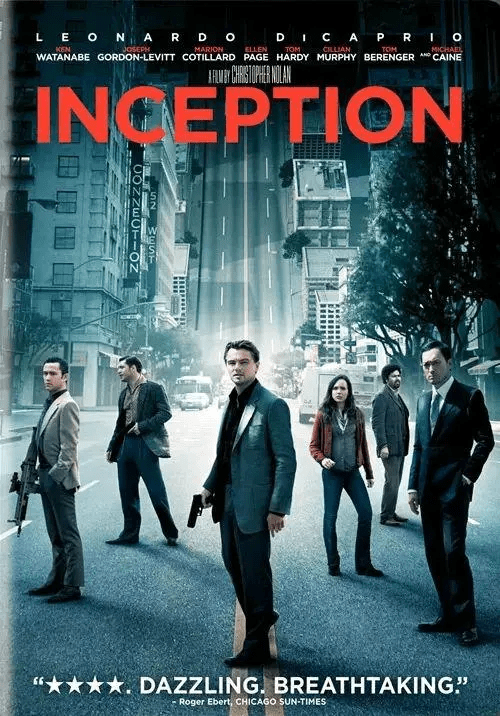
Nolan’s Inception (2010) takes this concept further by blending dreamscapes and nested timelines. With time passing differently across dream levels, audiences must juggle multiple realities while unraveling the film’s intricate plot. This complexity blurs the lines between dream and reality, amplifying suspense and emotional engagement.
The Artistic Impact of Non-Linear Storytelling
- Enhancing Suspense and Surprises
By breaking traditional cause-and-effect chains, non-linear storytelling creates heightened suspense and unexpected twists. For example, David Fincher’s Fight Club (1999) keeps viewers in a state of uncertainty, only to deliver a shocking revelation that redefines the entire narrative. This structural choice amplifies the emotional impact, leaving a lasting impression on the audience.
- Deepening Emotional Resonance
Non-linear narratives allow directors to delve into complex themes and emotions. In Eternal Sunshine of the Spotless Mind (2004), the disjointed timeline reflects the fragmented nature of memory and love, pulling viewers into the characters’ emotional turmoil. This narrative structure makes the exploration of loss and connection more profound.
- Blurring Reality and Fiction
Non-linear storytelling often blurs the boundary between reality and imagination, creating a surreal and immersive experience. David Lynch’s Mulholland Drive (2001) uses shifting perspectives and fragmented narration to craft a dreamlike, unsettling world. Audiences are left questioning what is real and what is imagined, mirroring the characters’ psychological states.
Challenges and Opportunities for Audiences
While non-linear storytelling enriches cinematic art, it demands more from viewers. Audiences must actively engage with the narrative, piecing together disparate elements to construct meaning. This participatory viewing experience transforms passive spectators into co-creators of the story, fostering a deeper connection to the film.
Although this complexity can be disorienting, it also offers rewards. By navigating through fragmented timelines and layered plots, audiences gain a richer understanding of the characters and themes, making the experience more intellectually and emotionally satisfying.
Non-linear storytelling revolutionizes traditional narrative structures, offering filmmakers a canvas to explore the intricate interplay of memory, emotion, reality, and fiction. By disrupting timelines, directors can create films that are not only structurally innovative but also emotionally profound. For audiences, these narratives present a challenge—a call to engage more deeply and think more critically about the stories they consume.
As cinematic technology and storytelling techniques continue to evolve, non-linear narratives will undoubtedly unlock new possibilities, redefining the art of cinema for generations to come.
Bordwell, D. (1985). Narration in the Fiction Film. Madison: University of Wisconsin Press.
Elsaesser, T., & Hagener, M. (2015). Film Theory: An Introduction through the Senses. New York: Routledge.
writer by:Zining Luo
student ID:33862470
 Digital Audiovisual Media Class Blog
Leave a comment