Rhys Mitchell 33753411
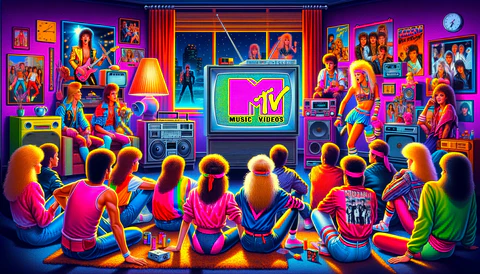
MTV once ruled the world of music videos, pumping out big-budget productions and clear messages from the artist. Directors like Hype Williams turned music videos into mini-blockbusters, leaving fans in awe but firmly on the sidelines. Fast forward to today, and platforms like YouTube and TikTok have changed that one-way relationship. Carol Vernallis describes this shift as the ‘Second Aesthetic’ where content isn’t just viewed – it’s reinterpreted and reshaped by the audience themselves (Vernallis, 2013).
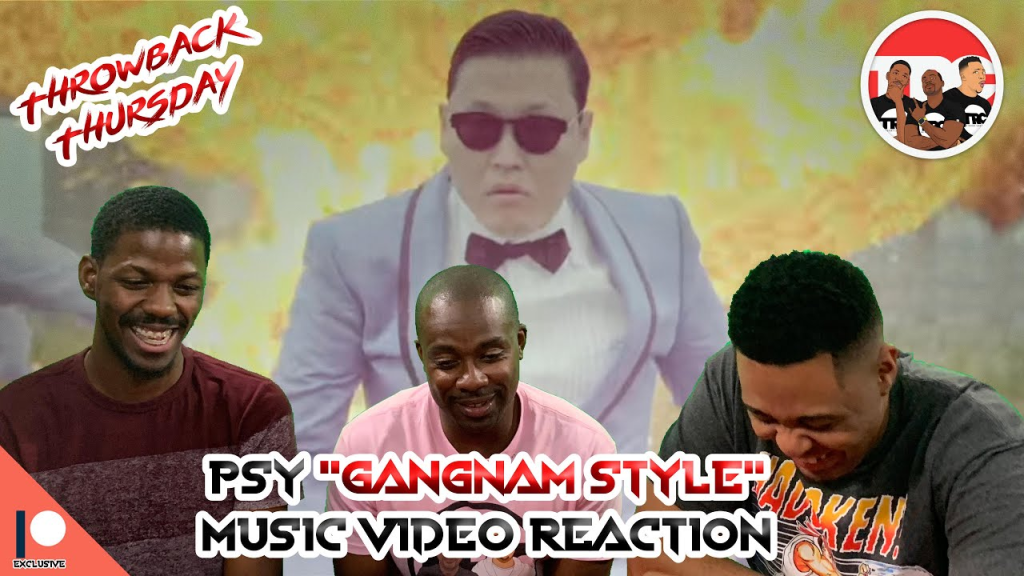
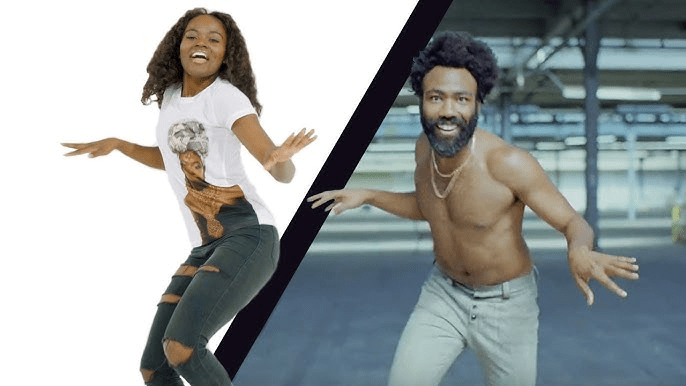
Take YouTube: it shattered the linear, top-down model of MTV by transforming broadcasts into endlessly remixable, shareable works. Fans don’t just watch – they create covers, parodies, and reaction videos. This echoes Henry Jenkins’ concept of participatory culture, where consumers become co-creators. Vernallis argues this fragmentation and user-interaction makes music videos more unruly, liberating them from the linearity of MTV’s era (Vernallis, 2013). For example, the fan-generated content around Psy’s Gangnam Style helped it reach 5.3 billion views as of 2024, exemplifying how collective participation boosts cultural impact.
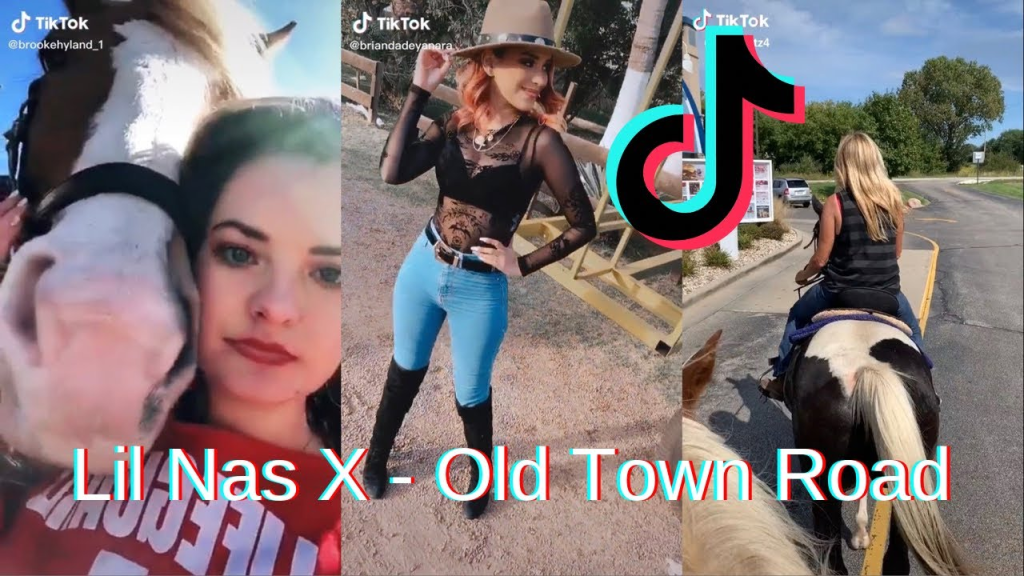
Then there’s TikTok, where music videos become templates for viral trends, whether it be dances, duets, or memes. Consider Lil Nas X’s Old Town Road, which owes much of its record-breaking 19-week run atop Billboard Hot 100 to TikTok users creating over 1.5 million videos set to the song. This participatory culture aligns with Vernallis’ notion of hybridity – music videos today are part visual art, part social sensation, and entirely open-ended (Vernallis, 2013).
Moreover, this constant remixing challenges traditional ideas of ownership. Networks like MTV – owned by media giants like Viacom – had clear control over music video distribution and profits. Today, platforms blur the lines between corporate control and artistic collaboration. While creators gain visibility and audiences actively participate, platforms ultimately monetize the work. So, who really ‘owns’ a trend – the artist, the platform, or the fans? As Vernallis highlights, the Second Aesthetic thrives in this ambiguous grey area, making it as unruly as the digital culture that fuels it. The relationship between producer and consumer is now in constant flux, redefining how we create and share media.
References:
Carol Vernallis (2013), “YouTube Aesthetics”, in: Unruly Media, New York: Oxford University Press, 127-154.
Bibliography:
Jenkins, H. (2009). Confronting the challenges of participatory culture : Media education for the 21st century. Cambridge: MIT Press.
Carol Vernallis (2013), “Accelerated Aesthetics: A New Lexicon of Time, Space and Rhythm”, in: Unruly Media, New York: Oxford University Press, 277-288.
Casetti, Francesco (2105), “Assemblage” in: The Lumière Galaxy: Seven Key Words for the Cinema to Come, New York: Columbia University Press, 60-82.
 Digital Audiovisual Media Class Blog
Leave a comment