33724037
Venus Pun
Requiem for a Dream is a haunting exploration of addiction. The film used many cinematic techniques to stimulate the audience’s senses by portraying the relentless cycle of reliance. The use of repetition, sound design, the use of cinematic colour and extreme close-up shots create an incredible sensory experience for an audience of the nature and dreaded fact of addiction. With the techniques that the film used, it gets deeper to understand the story of the transformation of characters emotionally and physically. The changes drugs bring them to who they become, and the use of cinematic techniques force the viewer into an intimate, uncomfortable immediacy to the characters’ suffering. The repeated use of close-ups during moments of drug use-taking substances creates an unsettling intimacy, making the audience complicit in the characters’ destruction. The intimacy and relationships that Harry and Marison share until addiction starts to become their priority, driving them apart and destroying their relationship. And Sara’s obsession with being on television shows and her yearning to be the to-be lady she once was. To be seen and praised by people for her looks. To reflect how obsession and addiction enormously break apart the connection of people.
Another critical technique in Requiem for a Dream is the sound design of the film, which has played a significant role in this film and contributed a lot to the engagement of the sensory experience of audiences. Aronofsky’s use of diegetic sounds is fetishised within the film as there is such a heightened focus on the clarity and prominence throughout, which can be seen with the physical acts of addiction portrayed, such as the rattling of the pills to the harsh hiss of the needle injecting heroin. These auditory cues became disorienting as they mirror how addiction gradually takes control over each aspect of the characters’ lives, turning mundane actions into unbearable rituals.
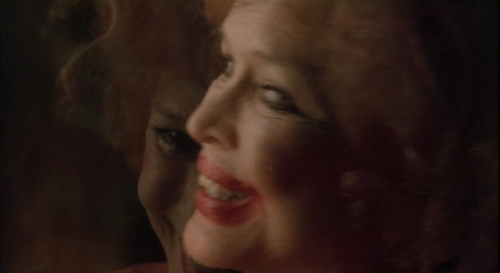
Requiem for a Dream shows the brutality of the impact of addiction on the human psyche through the use of repetition, close-ups and sound design. The narration of storytelling creates a power of influence to immerse viewers in the sensory and inner world of the characters.
Halskov, A. (2017). Returning, Recycling and Remixing: Cut-up and Collage in Twin Peaks: The Return – 16:9 filmtidsskrift. [online] 16:9 filmtidsskrift. Available at: https://www.16-9.dk/2017/11/twin-peaks-the-return/ [Accessed 27 Nov. 2024].
Spikima Movies (2022). The Effective Scoring of Requiem for a Dream. [online] Available at: https://www.youtube.com/watch?v=RO20yrnlg-U.
 Digital Audiovisual Media Class Blog
Leave a comment