Rhys Mitchell 33753411

Digital technology has advanced to the point that computers can conjure up just about anything that our creative minds can imagine; from incredible alien worlds, terrifying monsters, and death-defying action scenes. CGI doesn’t force stuntmen to risk life and limb to get that perfect visual, it doesn’t require complicated pyrotechnics, or expensive locations. It’s cost-effective, safe, and endlessly controllable. Yet as David Rodowick observes, this revolutionary technology arguably comes at the cost of cinema’s core: it’s ability to tell meaningful stories.

In his work on the transition from analogue to digital, Rodowick critiques the dominance of CGI for prioritising spectacle over storytelling. He suggests that modern media’s possibilities have created an industry norm where impressive imagery is expected, but this may lead to films that are visually captivating but narratively shallow.
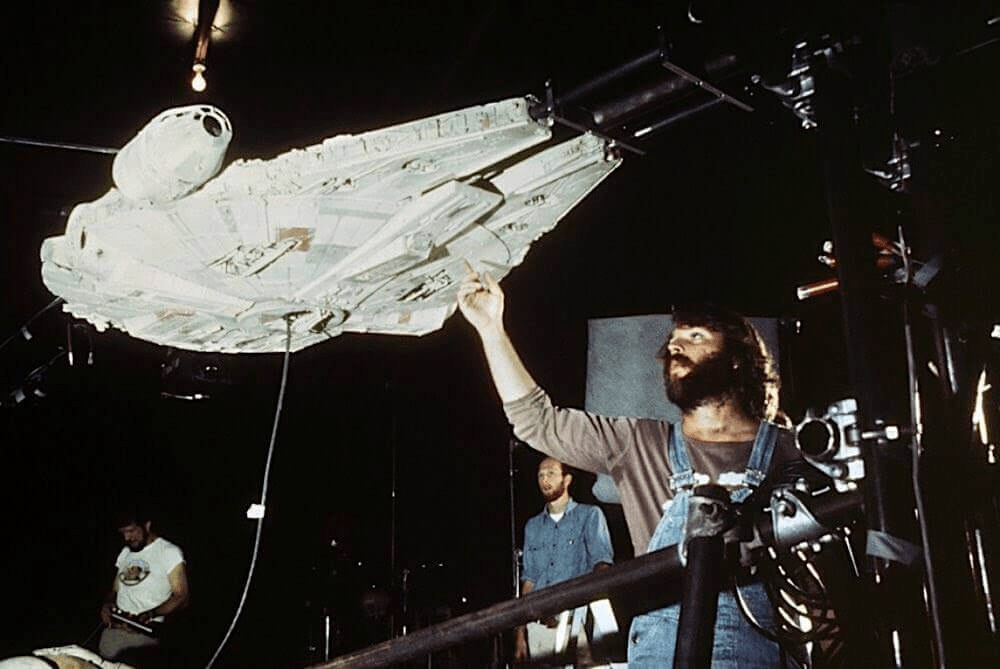
Analogue was anchored in the material presence of actors, sets, and practical effects that carried an inherent sense of temporality and risk. This ‘indexical trace‘ – the impression of real-life events unfolding before the audience – rooted cinema in a shared human experience. In contrast, CGI risks creating what Rodowick calls ‘temporal dislocation‘. By detaching the image from real-world referents, flashy special effects reduce the sense of embodied reality, replacing human immediacy to artificial polish (Rodowick, 2007).
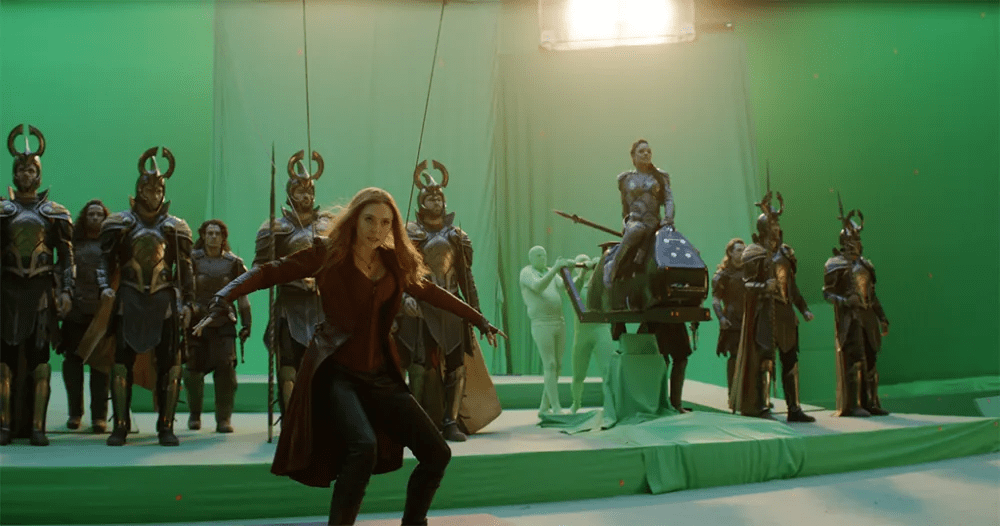
Computer animation can overcome the physical limitations of practical filmmaking, but what’s the point if no one buys into what they’re seeing? The more movies rely on CGI, the less engaging the experience becomes for the audience because deep down they know there’s nothing behind it. Films like Godzilla may amaze with their visual complexity but struggle to maintain narrative depth or emotional resonance. Rodowick critiques this trend as the prioritisation of spectacle over the ‘ethico-aesthetic‘ dimensions of cinema, where stories become secondary to sensory impact (Rodowick, 2007). Without the risks and imperfections that ground cinema in lived experience, even the most visually ambitious films risk feeling sterile.

References:
Rodowick, D.N. (2007). The Virtual Life of Film. Harvard University Press
Bibliography:
Denson, S. and Leyda, J. (2016). Post Cinema. REFRAME books.
Manovich, L. (2001). The Language of New Media. Cambridge, Mass. MIT Press.
Whissel, K. (2014). Spectacular Digital Effects CGI and Contemporary Cinema. Duke University Press.
 Digital Audiovisual Media Class Blog
Leave a comment