33707710
2009:lost memories by Lee Si-myung is by no means a great film but it is quite interesting and its about an alternate history in which Korea never lost the Japanese occupation and contains a futuristic society shaped by the prolonged colonial rule. It has a complex narrative structure that blends alternate history, time travel and also high tech visual effects. The films innovative use of digital technologies to create a fragmented, kaleidoscopic experience aligns with the shifts discussed in readings by Shaviro and William Brown.
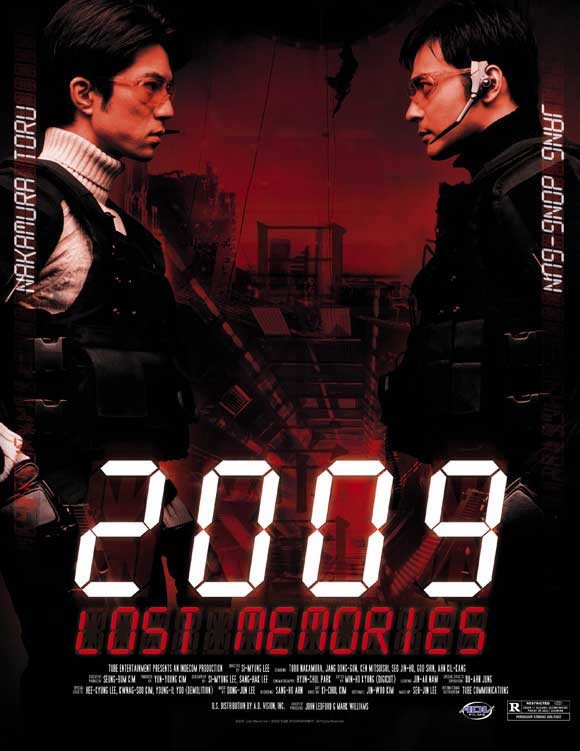
Within the film, the alternate history of Korea provides a fractured temporal structure which mirrors Shaviros notion of post continuity. Films like 2009:Lost memories use non linear editing to represent a fragmented view of time where the viewer is left to piece together the narratives from all the disjointed sequences which at times can be hard :(. The protagonist’s journey through the alternate realities is shown by sudden shifts in time and space reflecting a non representational, chaotic aesthetic. Shaviro writes, “ the idea of continuity itself has been surpassed by new modes of editing and affective experience’(Shaviro,2011, p.52) which inherently aligns with the film’s experimental treatment of historical timelines and events.
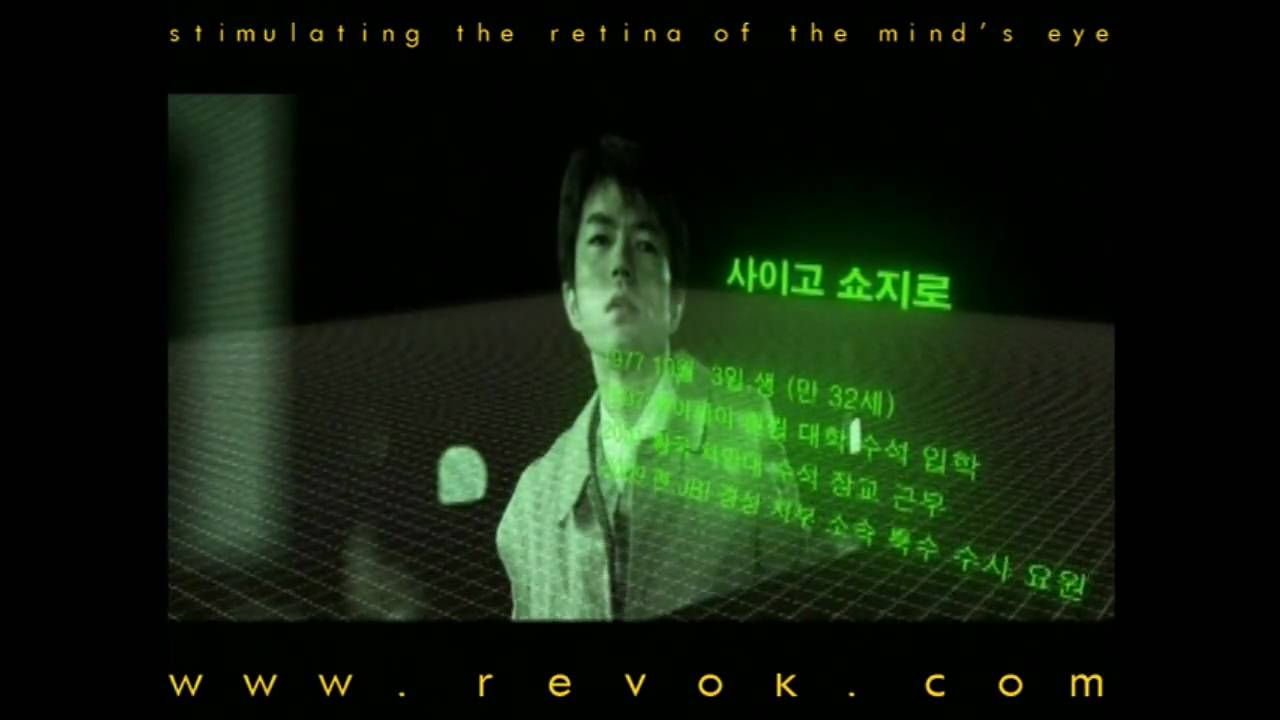
In *2009: Lost Memories*, the integration of science fiction elements, such as time travel and altered histories, further contributes to the sense of discontinuity and **disruptive affect**. The narrative’s fractured structure becomes a key device that challenges the viewer’s understanding of causality and temporal coherence. The protagonist’s journey through different historical moments—often accompanied by visual distortions or futuristic landscapes—resonates with Shaviro’s idea that “post-cinema offers a fragmented, kaleidoscopic view of time” (Shaviro, 2011, p. 60).
The visual aesthetics of 2009: Lost Memories also engage with the idea of digital realism, as discussed by Rodowick (2007). Rodowick argues that digital cinema, as a new medium, creates a sense of “hyperrealism” where the world on screen feels both tangible and fabricated at the same time. In this film, the use of digital effects—such as sleek futuristic cities, explosive action sequences, and digitally enhanced environments—creates a world that seems “real” in a visceral sense but is undeniably artificial in its construction. The hyper-real landscapes of the alternate Korea and the science fiction elements are heavily dependent on digital technology, yet they manage to create an immersive world that feels genuine in its own terms.
Brown, W. (2013). Supercinema: Film-Philosophy for the Digital Age. Berghahn Books.
Rodowick, D. N. (2007). The Virtual Life of Film. Harvard University Press.
Shaviro, S. (2011). Post-Continuity: An Introduction. In S. Shaviro (Ed.), Post-Cinema: Theorizing 21st-Century Film(pp. 51–64). REFRAME Books.
 Digital Audiovisual Media Class Blog
Leave a comment