YouTube is a playing field for content. Anyone from anywhere with any interest can create and publish content, of course adhering to YouTube’s guidelines. Content creators may appear sleek and effortless on the surface, however Cunningham and Craig’s idea of ‘creator labour’ explains how creators merge creativity with entrepreneurship and they are usually managing every point of their brand, from content to editing to self-promotion.
The first thirty seconds determines the appeal to the audience for any video, so creators tend to have exciting introductions. For several years, Pewdipie was the most subscribed YouTube channel and his channel is an example of how to create content and build an audience; every video has the same introduction saying “How’s it going bros, it’s PewDiePie”, promoting his brand straight away and encouraging a personal connection. Cunningham and Craig (2019) note how engaging hooks is a critical aspect of ‘creator labour’ as it ensures viewers stay for the duration of the content.
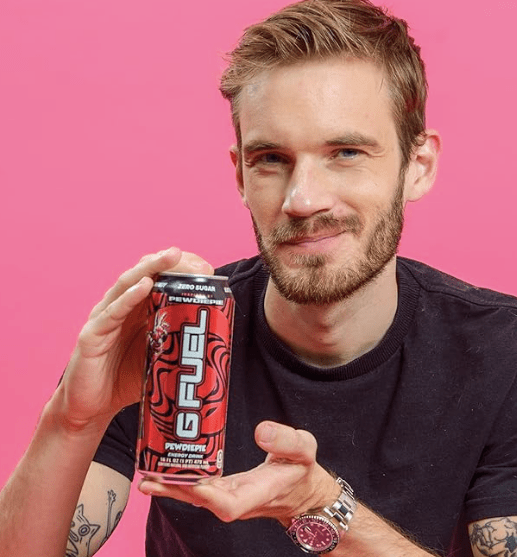
Funding is another critical aspect to ‘creator labour’ which determines the duration of success. Although entrepreneurship is required, authenticity must be upheld to remain transparent to viewers. Like many others, PewDiePie uses ad revenue, merchandise sales and sponsorships to maintain his channel and purposely avoids overt sponsors to preserve his respectable reputation. Likewise, the Sidemen- a group of UK content creators- do the same but also hold ‘Sidemen Charity Matches’ where they raise money for charities while encouraging community engagement. Glatt and Banet-Weiser (2021) comment on how creators usually balance between commercial interest and brand authenticity. This “productive ambivalence” allows creators to maintain their reputation while maintaining financial stability.
Loyalty and engagement, as mentioned, is another crucial aspect for content creation; building a fanbase is fundamental for any channel. PewDiePie and the Sidemen all produce reaction videos and Q&As to develop the relationship with the viewer. McDaniel notes how performative authenticity plays a powerful role in the audience’s connection with the creator. He also observes the precarity of authenticity and the balance between dramatic and genuine responses; reaction channels that display exaggerated responses usually have bad feedback. This highlights how content creators will juggle dynamics to uphold their authenticity and audience engagement.
References:
Stuart Cunningham and David Craig (2019), ‘Creator Labor’, Social Media Entertainment: The New Intersection of Hollywood and Silicon Valley, 65-114
Zoe Glatt and Sarah Banet-Weiser (2021), ‘Productive Ambivalence, Economies of Visibility, and the Political Potential of Feminist YouTubers’, in David Craig and Stuart Cunningham eds. Creator Culture: An Introduction to Global Social Media Entertainment, 39-56.
Byrd McDaniel (2020), ‘Popular music reaction videos: Reactivity, creator labor, and the performance of listening online’, New Media and Society, 23:6, 1624-1641.
By: Francesca Rodriguez-Broadbent 33752271
 Digital Audiovisual Media Class Blog
Leave a comment