A film that pops into my head that serves as a compelling example of Post Cinema is Edgar Wright’s Scott pilgrim vs The World. I believe this film exemplifies the post cinematic aesthetic particularly through its hypermediated style which somehow blends not only films but comic books and video games into a seamless narrative. The rapid editing, the dynamic framing and even the use of digital effects completely disrupt the traditional cinematic continuity which reflects Shane Densons and Julia Leyda’s argument that post cinema reflects “the disruptions and transformations brought about by digital technologies” (2016, p. 1). The film also uses text overlays and split screens and many visual effects which help stimulate the viewer to experience a navigation of a digital interface, which embodies the “remediation” of older forms into new contexts (Denson & Leyda, p. 5). These stylistic choices within this film reflect the decentralisation of traditional cinematic continuity as it offers a more fragmented and digitally influenced storytelling mode.
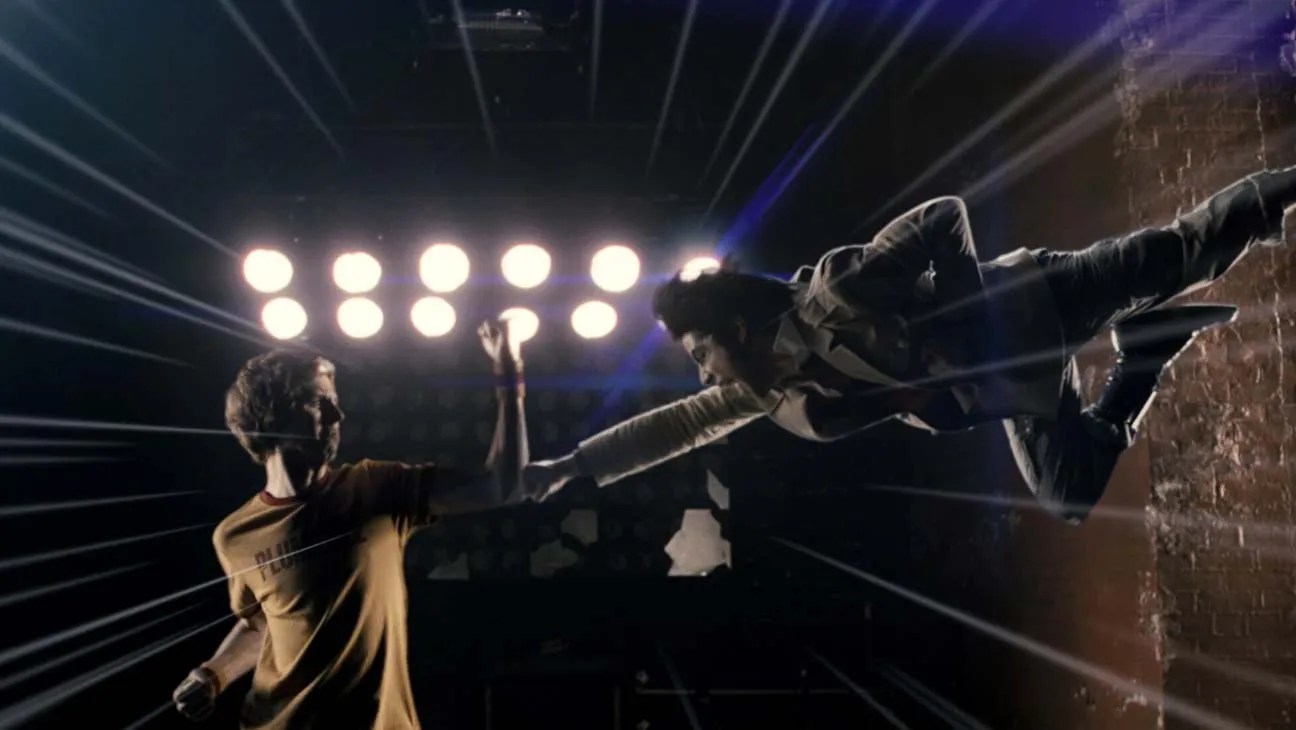
The film’s crazy and frenetic editing style also aligns with what Leyda and Denson term as “dispersive” logic of Post cinema, where images “ no longer exist in isolation but are enmeshed in networks” (p. 7.) Scott within the film also leverages this sort of networked aesthetic by incorporating visual and auditory cues from video games such as power up sounds and life bars during the fights which function as intertextual references and immerse the viewer within this media saturated environment. This demonstrates the broader shifts Denson and Leyda highlight, where “post-cinema registers the affective changes in how we process and relate to images” (p. 8).

The film also exemplifies their claim that post cinema “signals a transition not only in technology but also in spectatorship” (p. 10). Also by engaging the viewers with a rapid face and self referential humor, Scott disrupts the passive viewing and instead requires active engagement from the audience with its media layered narrative.
Denson, S., & Leyda, J. (2016). Post-Cinema: Theorizing 21st-Century Film. REFRAME Books.
 Digital Audiovisual Media Class Blog
Leave a comment