33724037
Venus Pun
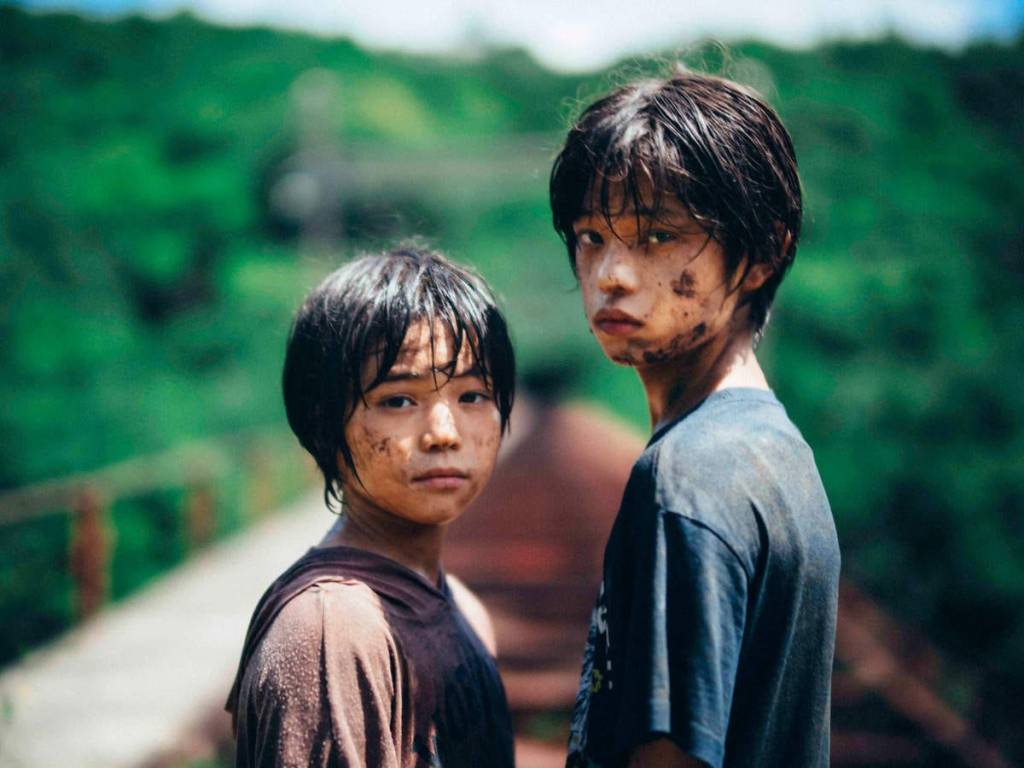
Hirokazu Koreeda’s Monster (2023) has a robust post-continuity narrative centred on human relationships and challenges on social norms. The film operates through a Rashomon style of storytelling by overlapping the perspectives of a few critical characters. The layering of overlapping perspectives of different perspectives contributes to a sense of confusion for the audience. It diverts from straightforward narration of cause and effect to deeply understanding each character’s inner world. Steven Shaviro’s concept of post-continuity is particularly illuminating in understanding Monster’s narrative structure. Shaviro argues that “post-continuity cinema privileges affect over comprehension” (Shaviro, 2016). The cut from one perspective could be confusing when using diverse perspectives. Still, the narrative serves to recontextualise earlier events and could invite viewers to immerse themselves in each character’s emotions. The perspective of understanding the character through the film changes throughout the film, and viewers are part of comprehending what is happening in each person’s story. It encourages an exploration of the subjective emotional truths beneath each account’s surface. In this way, Monster embodies Shaviro’s notion of a cinema that ‘creates an intense experience of temporality’ without permanently resolving the ambiguities of its events (Shaviro, 2016), allowing views to remain unresolved and uncertain.

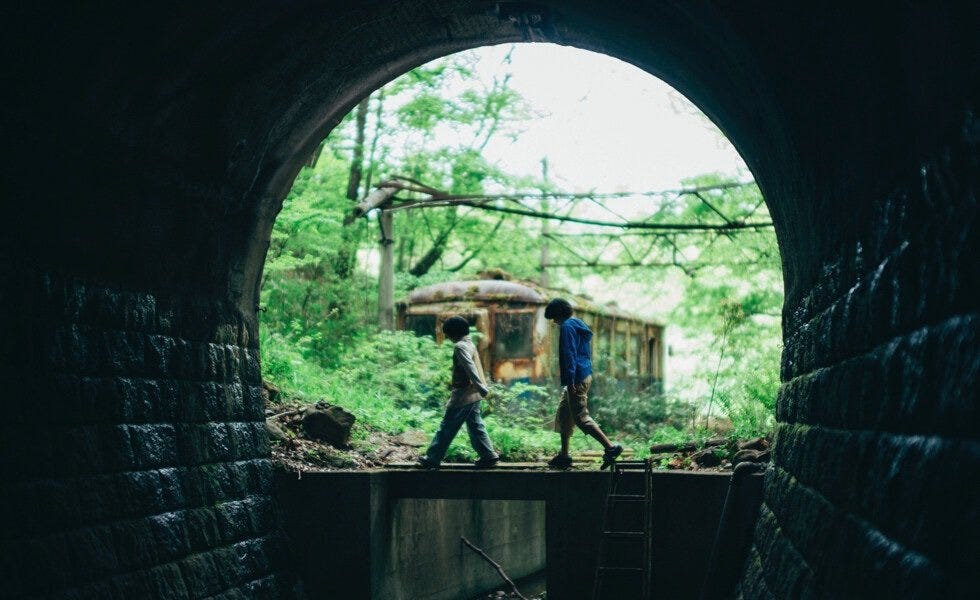
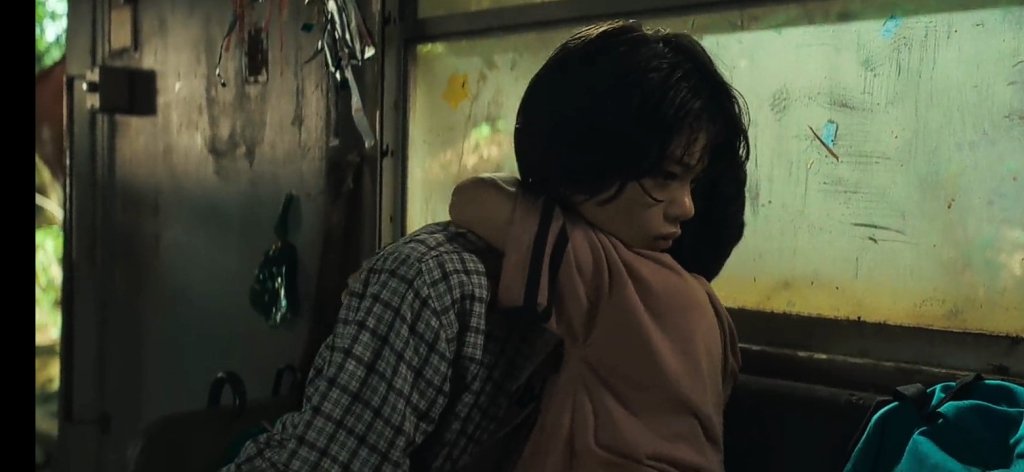
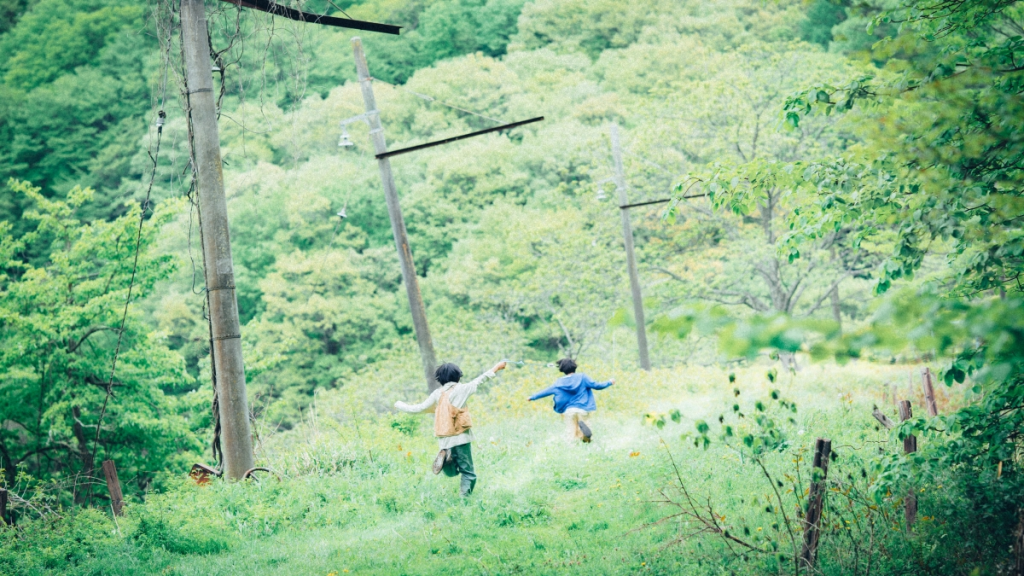
Bukatman highlights that kaleidoscopic moments often disrupt the narrative flow, drawing viewers into sensory absorption. He writes, ‘Cinema becomes a medium of astonishment, collapsing rational comprehension into pure experiential immersion’ (Bukatman, 2003). In the film, overlapping narratives for perspectives make each piece very fragmental. When it revisits key events of conflicts, and each shot is pending to different characters, they deal with various emotions multiple times throughout the conflicts. These shifts disrupt the narrative and prompt the audience to consider how interpretations vary by perspective. In the movie, the shots of both urban settings, rural landscapes, and the secret quiet places the characters share. There is a sense of alienation and disconnection among viewers. The shot changes from the characters’ conflicts at school to the kids in their secret spot, sharing an intimate private space. The shifting perspectives and imagery of different viewpoints create a kaleidoscopic emotional effect. This interplay between fragmentation and unity creates a profoundly resonant emotional experience, enriching the film’s exploration of its characters and their relationships.
Steven Shaviro, ‘Post-Continuity: An introduction’, Post-Cinema: Theorising 21st Century Film, 51-64
Bukatman, S. (2003). Matters of Gravity Special Effects and Supermen in the 20th Century. Duke University Press.
 Digital Audiovisual Media Class Blog
Leave a comment