33724037
Venus Pun
Netflix is an enormous streaming platform in this contemporary world. It was founded in 1997 as a DVD rental service allowing subscribers to select movies and TV shows through the website and receive them by mail. It gradually became a streaming service in 2007, allowing subscribers to watch selected content online.
Netflix has its own selected content based on data algorithms and marketing strategies to curate its library (Jenner, 2018). Netflix relies heavily on viewer content choice data to understand what genre or content types could attract subscribers. They personalised people’s data with when you pause, rewatch, ratings, likes or dislikes. By analysing the data from their audience, they could predict what kind of shows or movies their subscribers prefer to select other genres like K-drama and anime. Due to globalisation, Netflix has gained more and more viewers from Asia. K-dramas and anime are pretty popular in Asia. They started adding their selection of K-dramas and anime in 2015. They introduced the genre to global audiences, such as Naruto, to attract fans worldwide.
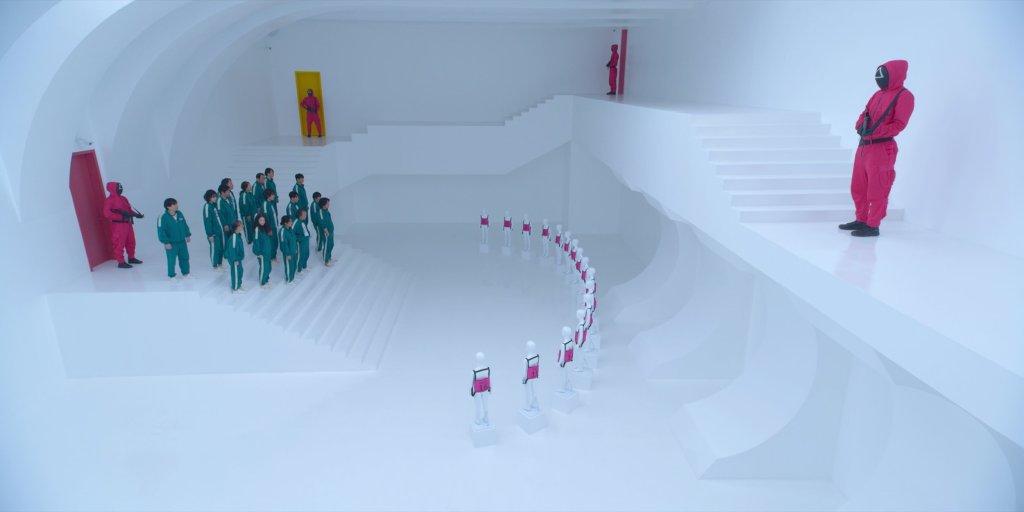
Other than licenced content, Netflix started producing its original Netflix series, such as Squid Game, Stranger Things, and Dark, which are all based on the preferences and predictions of the general global subscribers. Therefore, all originals are designed to appeal to diverse viewer tastes. Their aim to be the dominant global streaming platform also contributed to globalisation and control of what the general public watches. Platform algorithms also prioritise originals to guide viewers to watch them. This aligns with Netflix’s agenda and intention, reinforcing the curated viewing experience.
Netflix customises its content to cater to local preferences while maintaining a solid global presence. Still, this strategy also significantly controls what we watch. The curated selection needs to be solved, leading to cultural homogenisation (Lotz, 2017). Recommending globally appealing content to general people worldwide created a trend that make everyone watch the same thing and popularise specific cultural tropes to suit international tastes. Promoting Netflix originals instead of localised content guides viewer consumption of mainstream content and limits exposure to other local content. Then, potentially marginalised more minor independent work from local creators that need more resources (Letters, 2017). Ultimately, Netflix could influence global trends, political discussions, and even individual values, steering the audience toward a narrower worldview dictated by the platform’s goals.
Mareike Jenner (2018), ‘Introduction: Netflix and the Reinvention of Television’, ‘Introduction: Binge Watching Netflix’, Netflix and the Reinvention of Television, pp. 1-31, 109-118.
Amanda Lotz (2017), ‘Theorizing the Nonlinear Distinction of Internet-Distributed Television’, Portals: A Treatise on Internet Distributed Television, https://quod.lib.umich.edu/m/maize/mpub9699689/
Letters (2017). Netflix’s chilling effect on cultural diversity | Letters. [online] the Guardian. Available at: https://www.theguardian.com/tv-and-radio/2017/dec/01/netflix-chilling-effect-on-cultural-diversity.
 Digital Audiovisual Media Class Blog
Leave a comment