Rhys Mitchell 33753411
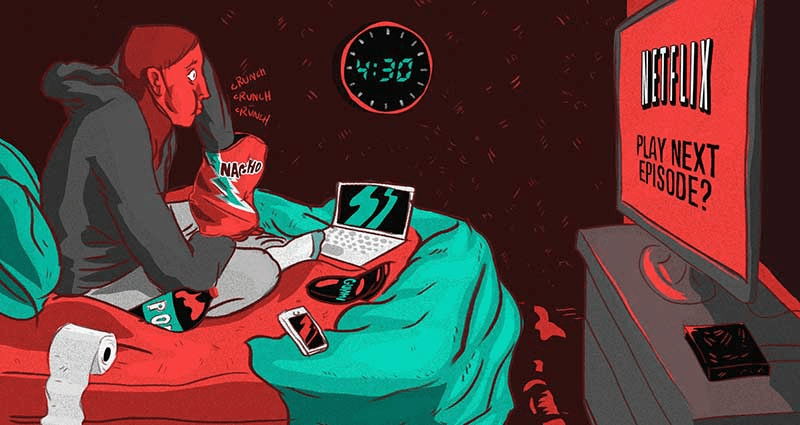
Streaming platforms have promised us everything – entire seasons at our fingertips, endless on-demand content, and the freedom to watch whenever we please. But as binge-watching becomes the dominant mode of consumption, TV is arguably losing that magic which made it a shared, emotional experience. Mareike Jenner suggests that streaming, while convenient, has disrupted television’s ability to foster connection. What was once a medium defined by community, and long-lasting impact is now at risk of becoming just another disposable content pipeline.
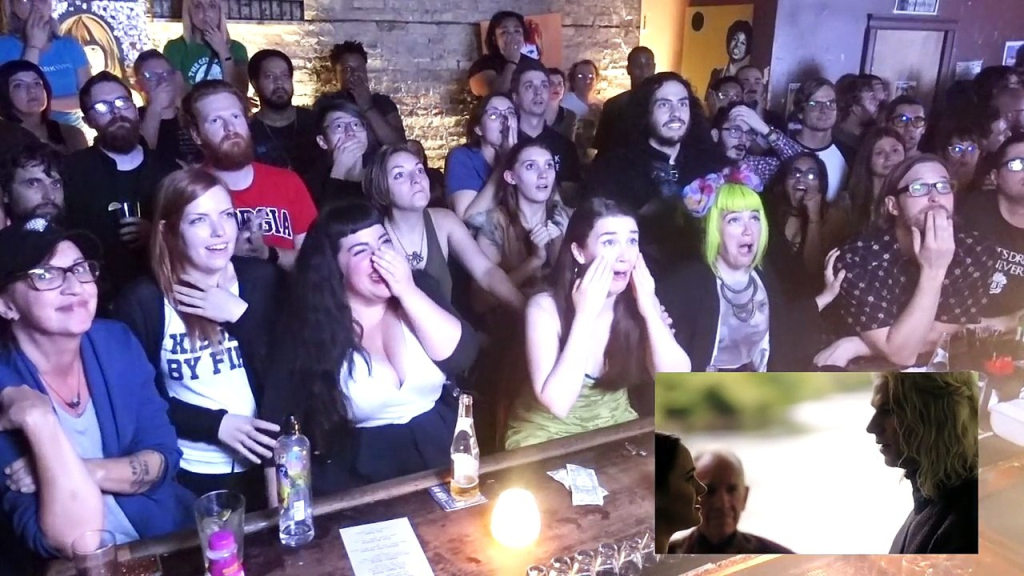
In the pre-streaming era, television’s weekly release model created a sense of ritual and anticipation. Audiences engaged in ‘slow viewing’, allowing them to savour each instalment of their favourite shows. This stirred up suspense and encouraged discussions that extended beyond the screen. Entire websites were devoted to recapping the previous night’s episode, whether it be crowd-pleasing comedies like the Office or cutting-edge dramas like Breaking Bad. The reason classic sitcoms worked so well is because you spent long enough with the characters that they started to feel like your literal…

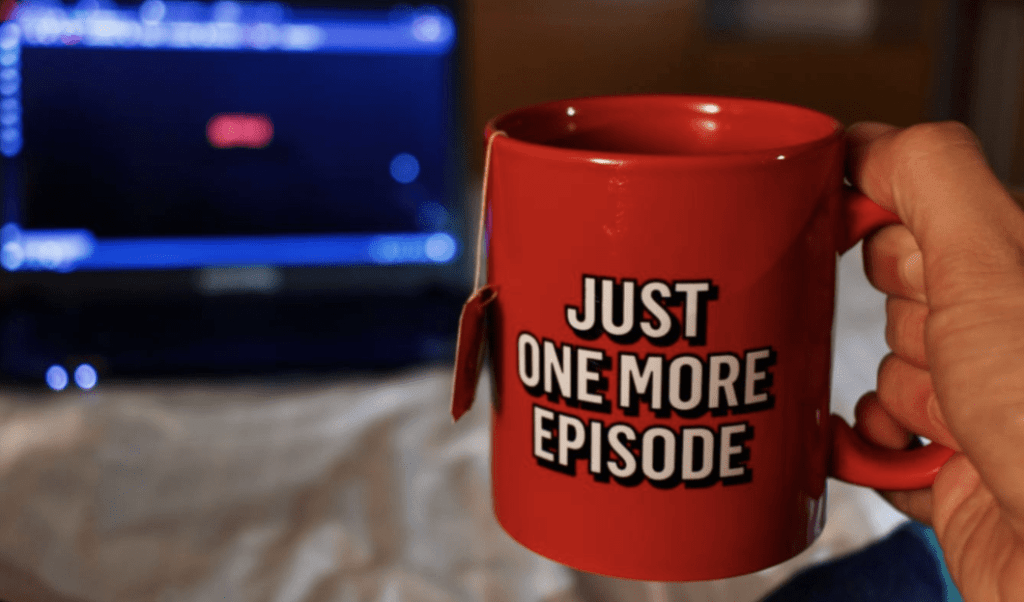
In contrast, the ‘binge-model’ compresses this temporal experience, condensing months of narrative into mere hours and encouraging viewers to watch entire seasons in one or two sittings (Jenner, 2018). This constant consumption, Mareike argues, weakens audience engagement by reducing the space for reflection. Episodes blur together, and emotional beats are diminished without the suspense of a week-long wait.
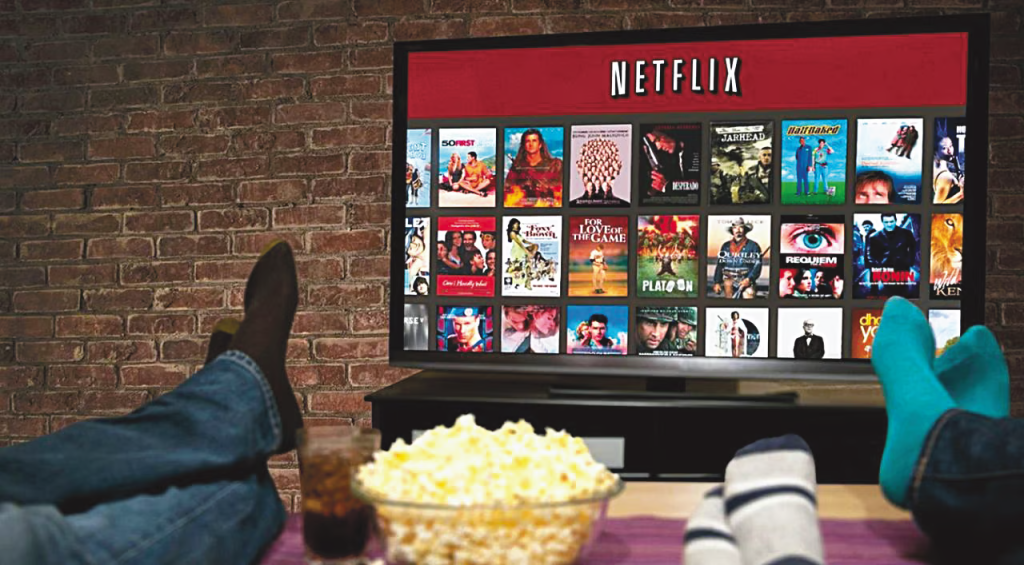
Binge culture also disrupts television’s social dimensions, shifting it from a communal activity to an isolated one. Traditionally, audiences tuned in and gathered around screens at the same time, creating shared cultural moments. Streaming’s on-demand convenience fragments this experience; instead of generating ongoing conversations over weeks, shows like Stranger Things drop in their entirety, capturing attention briefly before vanishing from cultural discourse.
Viewers now watch at their own pace and word-of-mouth momentum, once a key driver of TV’s success, is stunted by the all-at-once release model. Jenner associates this shift with the broader trend of ‘cord-cutting’, as audiences move away from cable’s shared schedules to streaming’s individualised algorithms (Jenner, 2018). In chasing convenience and quantity, the binge model has arguably stripped tv of its most enduring qualities: anticipation, connection, and the power to truly stay with us.
References:
Mareike Jenner (2018). Netflix and the Re-invention of Television. Cham Springer International Publishing Palgrave Macmillan.
Bibliography:
Amanda Lotz (2017), ‘Theorizing the Nonlinear Distinction of Internet-Distributed Television’, Portals: A Treatise on Internet Distributed Television, https://quod.lib.umich.edu/m/maize/mpub9699689/
Kevin McDonald and Daniel Smith-Rowsey (2016), The Netflix Effect: Technology and Entertainment in the 21st Century. London; New York: Bloomsbury.
 Digital Audiovisual Media Class Blog
Leave a comment