The concept of Trans TV is based on an analysis of the industry, which is becoming increasingly multi-channeled in terms of production, distribution and consumption, in response to the development of digital technology, and an aesthetic analysis based on this. In addition to the production of programmes aimed at niche consumers, there is an increasing number of works that do not target heteronormative ‘men’, but rather queer, trans, and ethnic minorities (Goddard and Hogg, 2018, 2020). In this way, the concept of Trans-TV is proposed as a flexible and inclusive concept that involves transgressing various domains (borders, race, and sexuality, etc.).
With this in mind, this post will look at two Netflix original Japanese productions, The Naked Director (2019-2021) and Sanctuary (2023-), and clarify what is being transgressed in these two works. What can be said of both works in common is that they are works that cut into the so-called taboos in existing media that have not been touched upon in conventional television programmes.
The Naked Director
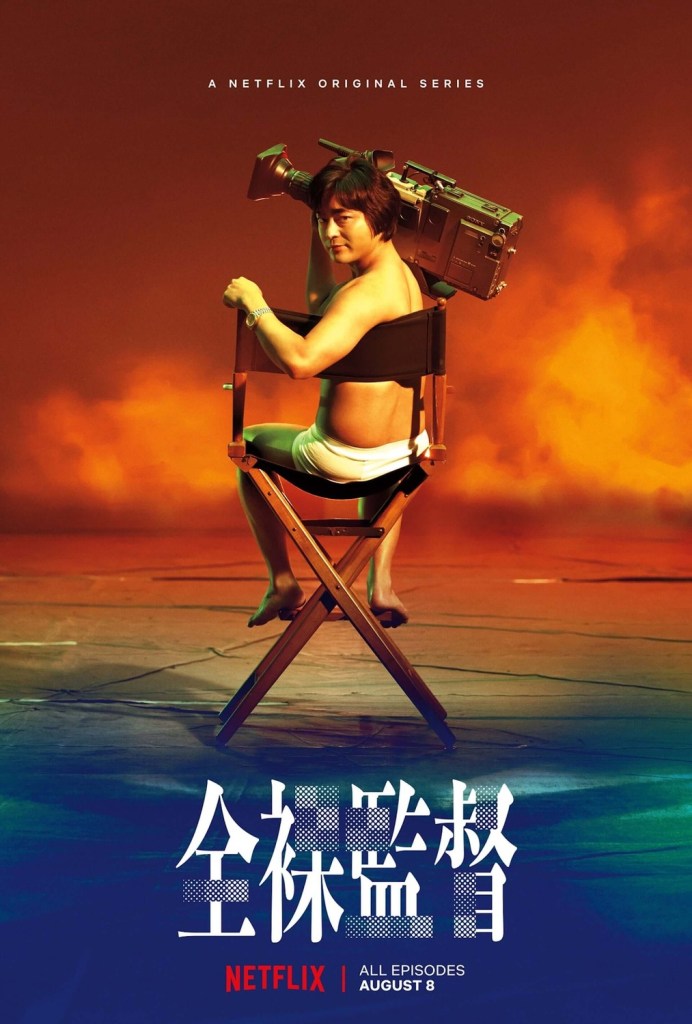
The Naked Director depicts the rise and fall of the Japanese porn industry from the 1980s onwards, with the main character being ‘the porn king’ Toru Muranishi. It was given an R18 rating because it includes sexual content and details of the porn industry that could not be broadcast on conventional TV programmes, but it was a hit when it was distributed in 190 countries. In particular, what attracted attention in this work was the strong assertion of the self-determination of the actresses who appear in pornographic videos. In Japan in the 1980s, when the patriarchal system was still very much in evidence, self-determination in sexual matters was suppressed and rarely reported in the mainstream media. With this in mind, this work, which focuses on the marginalised existence of sex workers, is a work that clearly reflects the demands for diversity in the contemporary age. In this way, The Naked Director takes up themes that would be difficult to broadcast on existing TV programmes.
Sanctuary
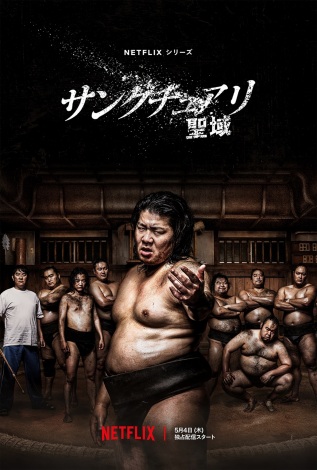
This is even more evident in Sanctuary, which is based on the traditional Japanese national sport of sumo. In Japan, the sport of sumo is also seen as a kind of sacred ritual, and the main point of contention in the modern era is the rule that prohibits women from entering the ring, the so-called rule against women. This rule is an unspoken premise of sumo, and it is rarely mentioned in the major media, including television and newspapers. In the film Sanctuary, female newspaper reporter Asuka Kunishima makes many critical comments about the male-centric nature of sumo. In addition, there is a gay boy who likes sumo, and this is used as a way of expressing LGBT issues. In this way, the film brings issues of femininity and sexuality into the discussion of sumo, a subject that has traditionally been associated with masculine images.
For this reason, Netflix’s original productions in recent years have deliberately transgressed the sexual, political and institutional taboos that have existed (and continue to exist) in traditional media in Japan.
・References
Michael N. Goddard and Christopher Hogg. “Introduction: Trans TV as concept and intervention into contemporary television.” Critical Studies in Television, 13(4), 2018, pp. 470-474.
Michael N. Goddard and Christopher Hogg. “Introduction: Trans TV dossier, III: Trans TV re-evaluated, part 2.” Critical Studies in Television, 15(3), 2020, pp. 255-266.
Written by Takuya Nishihashi (33777985)
 Digital Audiovisual Media Class Blog
Leave a comment