The scene design of The Matrix highlights the distinction and integration of digital media technology between the virtual world and the real world. The film uses green filters in the matrix world to create a cold feeling like an electronic screen, symbolizing the digital nature of the virtual world. The real world takes on a more natural blue-gray tone, which is gritty and real. This sharp contrast of tones not only reinforces the distinction between the two worlds, but also helps the viewer understand the film’s complex multi-spatial setting more quickly.
“Green Code Rain” is one of the film’s most iconic visual designs, directly reflecting the presence of digital media. These codes are not only the symbolic elements of the virtual world, but also show the virtual sense of data flow through dynamic animation, and present the formation process of the virtual world concretionally to the audience.
The Matrix pioneered digital special effects technology, many of its scenes became classic cases in the field of special effects, and through the innovative technology of “Bullet Time”, the film allowed the audience to capture a scene in motion in a near-still frame for the first time. To achieve this effect, the crew used multiple circular cameras to shoot simultaneously, and then connected the footage through digital synthesis technology to create a visual spectacle of characters moving in slow motion against a static background. For example, the scene where Neo is dodging bullets perfectly shows the distorted sense of virtual and real rules. This technology has become a landmark achievement of digital media in film special effects, and has been widely used by many subsequent films.
Digital effects make the virtual world in the film appear to have different physical laws than reality, such as Neo jumping tall buildings or characters fighting with unnatural movements. These visual effects are achieved through CGI (computer generated imagery) technology, which further enhances the “programmatic” nature of the virtual world, while allowing the audience to feel the limitless imagination of digital technology.
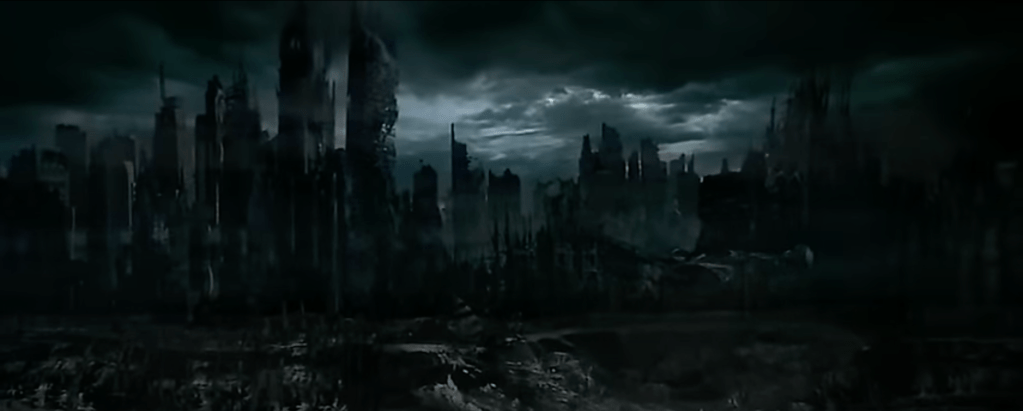
The Matrix fully demonstrates the potential of digital media technology through scene design, which not only builds a powerful visual language for the contrast between virtual and reality, but also creates many epoch-making classic scenes with digital special effects. The film achieves a perfect balance between technology and narrative, philosophical reflection and visual spectacle, providing rich inspiration and examples for filmmaking in the digital age.
Ndalianis, Angela, Neo-Baroque Aesthetics and Contemporary Entertainment (Cambridge, MA: MIT Press, 2005).
Rodowick, David Norman, ‘Part 3: A New Landscape (without image)’ The Virtual Life of Film (Boston: Harvard University Press, 2007).
Xuping Yue 33814020
 Digital Audiovisual Media Class Blog
Leave a comment