As consumers of television and film, we are used to consuming content in a linear path, yet Christopher Nolan’s ‘Tenet’ (2020) pushes several boundaries of seemingly ‘traditional’ filmmaking and in turn exemplifies Shaviro’s (2016) idea of post-cinema that is perpetuated by the absence of historical cinematic conventions. Not only this but it showcases different kinds of narrative structures and audience engagement through the temporal structure of the film.
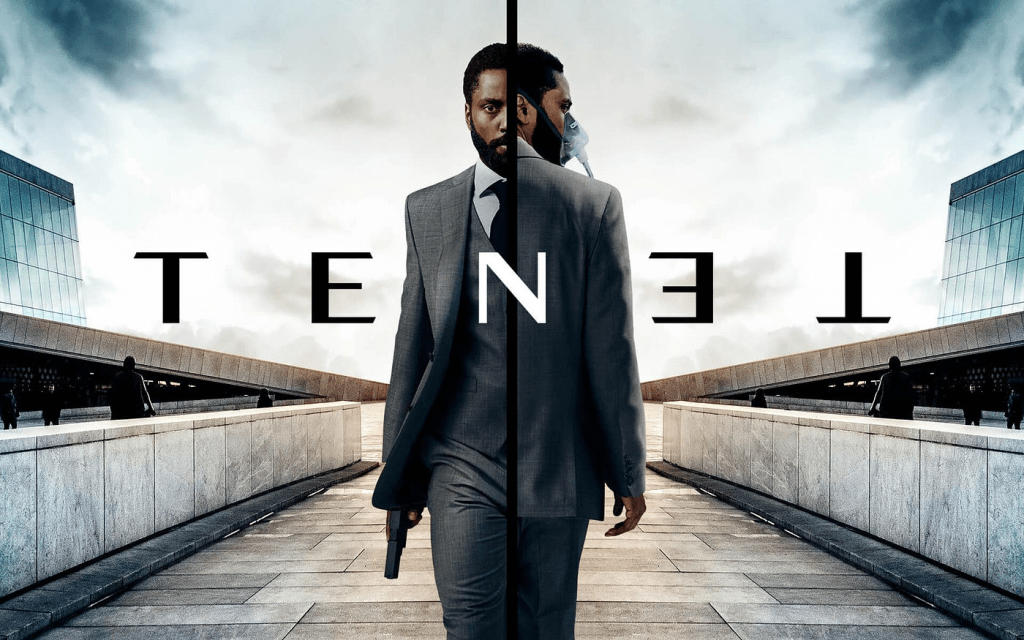
For much of the film, time is inverted, resulting in a confusing and convoluted combination of both forward and reverse timelines. Not only does this concept allow for complex action sequences but also narratives that require the viewer to watch the film multiple times in order to fully grasp, demonstrating perfectly the way in which post-cinema allows for classic, regular concepts to be repurposed and reshaped into something far more intricate and interesting. Furthermore, the use of this complex temporal structure, provides these non-linear narratives that require a new form of constant audience engagement, otherwise the viewer could get lost in the film, simply as the narrative does not conform to that of traditional cinema.
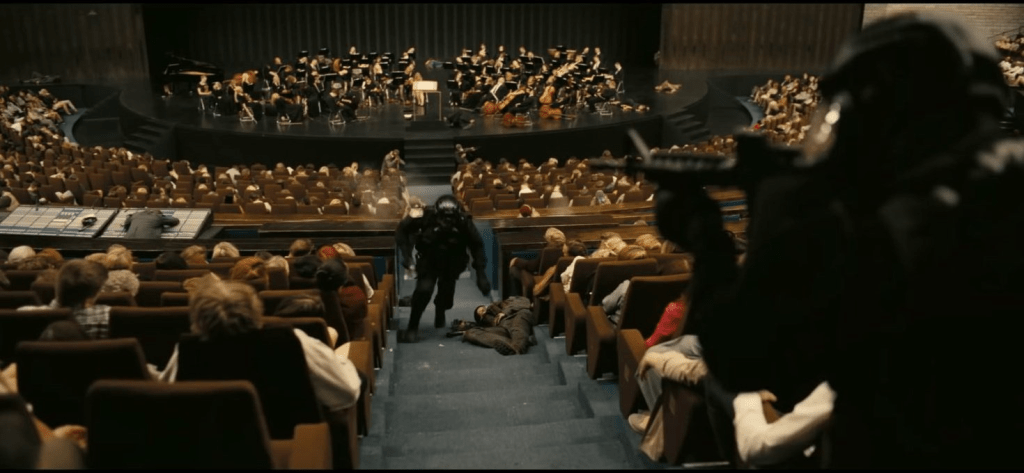
Shaviro’s (2016) concept that within the post-cinematic era, viewers engagement can be less shaped by the idea of identifying with a character and following a linear plot, is shown to be prevalent within Nolan’s ‘Tenet’, with ‘the protagonist’s’ name never being revealed throughout the film, and his story only truly ‘beginning’ at the end of the film. This kind of post-cinematic effect could be seen as somewhat disorientating and confusing, yet can allow for a more interesting reflection on reality and how we perceive time and narrative.
Nolan, Christopher. Tenet. 2020
Shaviro, Steven. Post-continuity: an introduction. 2016
Sonny Makepeace 33749225
 Digital Audiovisual Media Class Blog
Leave a comment