TV fantasy: A deep combination of science fiction and philosophy
Dark revolves around the intricacies of four families in the small town of Windon, building a logically consistent world through time travel and a multiverse setting. With the paradox of time as its core, the series explores the philosophical propositions of fatalism and free will. Sci-fi concepts such as time loops and multiple worlds are cleverly embedded in the emotional conflicts and family fates of the characters, making the audience not only attracted by the complexity of the story, but also feel a profound impact on the emotional and ideological level.
The metaphor of “time is a kind of imprisonment” is used throughout the play, for example, through symbolic elements such as the closed circle of time, cyclic family relations, nuclear energy waste, etc., to strengthen the sense of powerlessness of human fate in the river of time. This kind of profound philosophical thinking gives Dark a unique TV fantasy temperament, making it go beyond the traditional science fiction drama and become a work that combines speculation and narrative.
Production values: Refinement of audiovisual language and complexity of narrative
The visual style of Dark is very recognizable, influenced by German expressionist cinema and Nordic mystery drama. Dim light, cool colors and complex scene design combine to create a depressing and mysterious atmosphere. The forest, cave, nuclear power plant and other scenes in Winden town are not only the core space of the narrative, but also strengthen the isolation and mystery of the series, making the audience feel as if they are in a maze of eternal reincarnation.
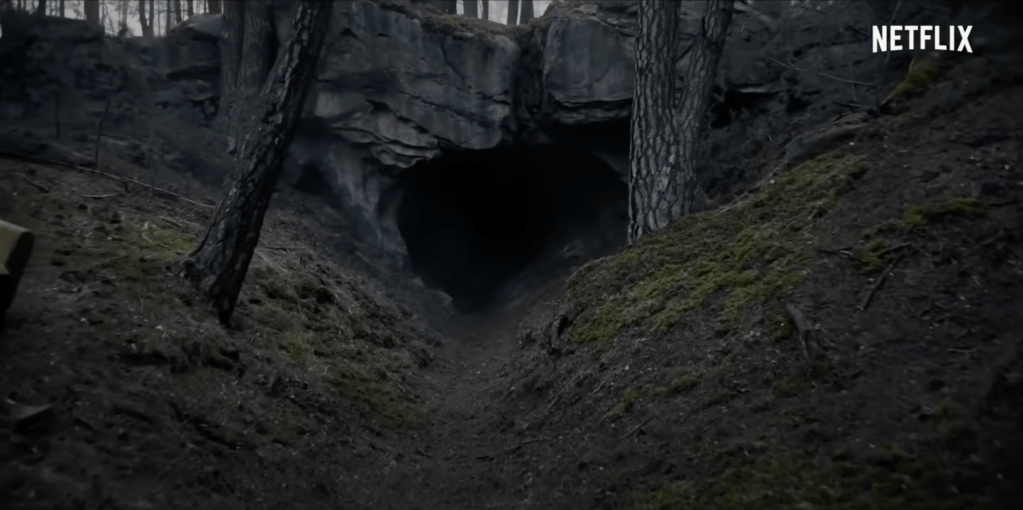
At the same time, the visual distinction of multiple timelines in the play is very clear, and the character modeling, architectural style and life details of different eras are carefully designed to help the audience quickly identify the time point of the story. This highly accurate visual presentation enhances the overall feel of the series.
The music, composed by Ben Frost, features electronic sound effects and atmospheric music that enhance the tension and suspense of the series. In particular, the ending episode of each episode is highly consistent with the development of the plot, further strengthening the emotional resonance of the audience. In addition, the sound design is extremely detailed, from the sound of dripping water to the wind in the forest, sound elements are used to create a mysterious and surreal atmosphere of time travel.
The series not only demonstrates the possibility of TV art in narrative depth and visual aesthetics, but also sets a benchmark for new era dramas with its superb production level. Whether as a science fiction drama or a philosophical allegory, Dark shows the infinite potential of television creation.
Jason Mittell, Complex TV: The Poetics of Contemporary Television Storytelling. New York: New York University Press, 2015.
Scorcha Ni Fhlainn, ‘A Rift Between Worlds: The Retro 1980s and the Neoliberal Upside Down in Stranger Things,’ Gothic Studies, 24:2, 2022.
Xuping Yue 33814020
 Digital Audiovisual Media Class Blog
Leave a comment