The historical context of music videos is a fascinating journey, stretching from the days of MTV to today’s digital social networks. This week’s focus delves into the anomalous media form of the music video, which is both commercial and experimental, often anticipating and involving the use of digital technologies, long before those technologies were applied to and transformed into more stable media forms.
The music video has always been a unique platform where creativity and commercialism intersect. It has served as a laboratory for new aesthetics and technologies, pushing the boundaries of visual storytelling and engaging with digital innovations before they become mainstream. From the groundbreaking visuals of Michael Jackson’s ‘Thriller’ to the interactive experiences of today’s social media, music videos have been at the forefront of media evolution.
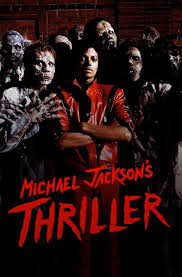
As we analyze the aesthetics of music videos, we can’t overlook the role of MTV in shaping the genre. MTV, launched in 1981, revolutionized the way music was consumed by bringing together music and visual content. It transformed artists into global stars and established the music video as a cultural phenomenon.
However, the real shift began with the migration of music videos from music television to social networks. This transition has democratized the production and distribution of music videos, allowing independent artists to reach global audiences. The rise of platforms like YouTube and Vevo has made music videos more accessible and interactive, changing the way we engage with music.
For a deep dive into the aesthetics and evolution of music videos, I recommend two videos:
1. Michael Jackson – ‘Thriller’ (1983)**: This iconic music video, directed by John Landis, set a new standard for music video storytelling and special effects. Its influence can still be seen in contemporary music videos.
2. OK Go – ‘Here It Goes Again’ (2006)**: This video, featuring the band performing a choreographed routine on treadmills, went viral on YouTube, showcasing the power of social media in promoting music and its ability to create instant hits.
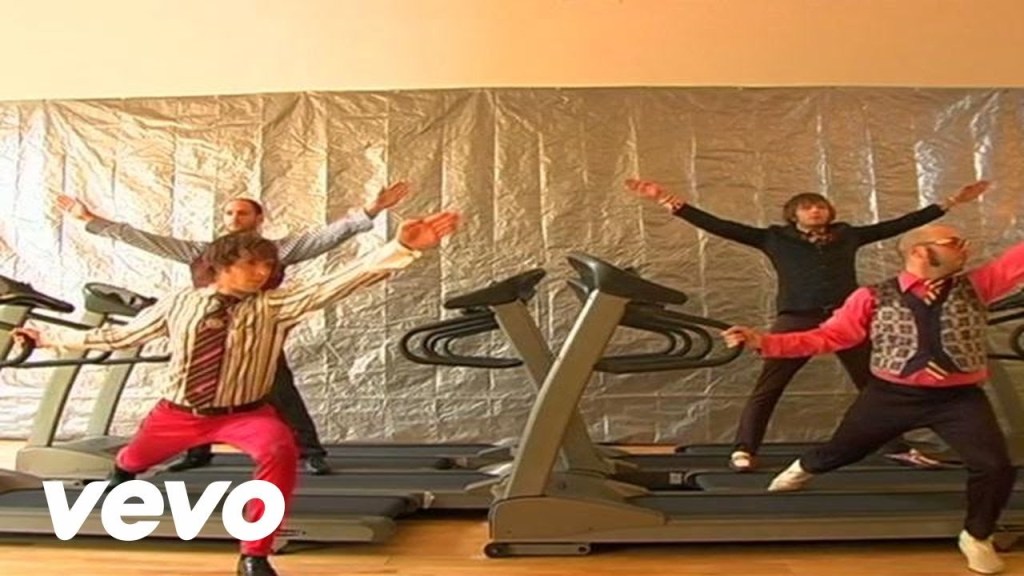
These videos not only represent the aesthetic evolution of music videos but also highlight their transition from a television-centric medium to a digital, social network-driven phenomenon. As we continue to explore the history and future of music videos, it’s clear that they will remain a dynamic and influential force in the music and media industries.
reference:
Arnold, G., Cookney, D., Fairclough, K. and Goddard, M. (n.d.) ‘Introduction: The Persistence of the Music Video Form from MTV to Twenty-First-Century Social Media’, in Music/Video: Histories Aesthetics, Media, pp. 1-14.
Vernallis, C. (n.d.) ‘Music Video’s Second Aesthetic’, in Unruly Media: YouTube, Music Video, and the New Digital Cinema, pp. 207-233.
Cookney, D. (n.d.) ‘Vimeo Killed the Video Star: Burial and the User Generated Music Video’, in Music/Video: Histories Aesthetics, Media, pp. 255-267.
Editor:Qiutong Shen – 33842865
 Digital Audiovisual Media Class Blog
Leave a comment