Today’s social media platform is not only for users to play videos, but also a platform to explore expression culture, social interaction and sharing. Taking YouTube as an example, more and more creators are gradually emerging on the platform, creating their own content and producing videos to be posted to the platform, such as a vlogger, a blogger who records daily life or travel, sharing travel videos to share with others and exploring cultures of different countries.Although Vernallis believes that YouTube has become a stage for marketing brands and advertising, many creators will combine commercial elements with personal creative styles to create commercial advertisements for brands, but these videos are not boring in content or visual style, and they have their own unique style. At the same time, platforms are becoming too marketed.
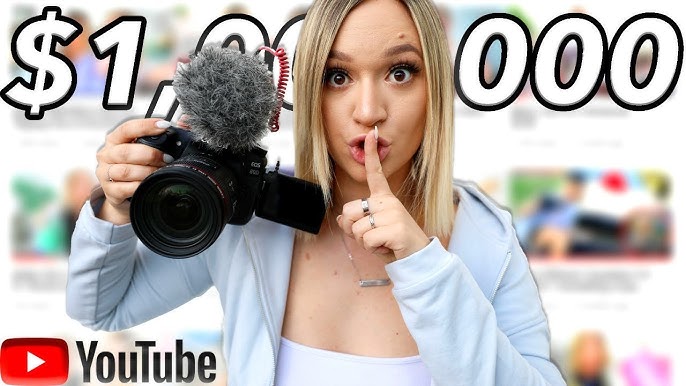
image resource:https://images.app.goo.gl/DWP5gAWiGpbL86sv7
There are subscription and payment capabilities on YouTube, and some artists adapt their original style to match the “taste” of more people. Some creators may even imitate famous videos and exploit celebrity news to generate hot subjects to increase hits and viewing time. As a consequence, these authors not only lose their uniqueness, but also make the video material on the site more homogeneous, resulting in YouTube’s content following a more shallow and entertaining trend. Moreover, the prominent role of advertising in digital media platforms’ earnings causes some producers to rely more and more on such money sources, and then they overlisten to the needs of advertisers, harming their own creativity. Furthermore, I believe that excessive commercial promotion, even soft advertisements, causes visual weariness in their target audience. Such over-commercialization makes it difficult for producers who take their work and material seriously and do not chase traffic and celebrity to gain sufficient traffic and cash, resulting in an imbalance.

image resource:https://images.app.goo.gl/TPtUoLKDUDLPGn1d9
To summarize, while YouTube’s platform provides artists with numerous financial and self-creation chances, its over-commercialization has negative consequences that alter the way content producers connect with consumers and diminish the audience experience. Creators must avoid responding to commercial needs and instead focus on creating unique and diversified content.
Reference:
Carol Vernallis (2013), “YouTube Aesthetics”, in: Unruly Media, New York: Oxford University Press
By Chuyi Zhang-33741312
 Digital Audiovisual Media Class Blog
Leave a comment