Although 94% of films today are made using digital cameras and editing techniques, there has been an appreciation and clear intention to use analog filmmaking techniques and to keep them alive as many feel they are becoming obsolete along with other pre-digital technologies. Digital filmmaking is cheaper, convenient, and has no shooting or post production risks or limitations so the question of why filmmakers and producers might feel the need or desire to shoot on 35mm or 16mm film could be of interest for the way we look at spectatorship, modes of production and the industry surrounding audiovisual practices.
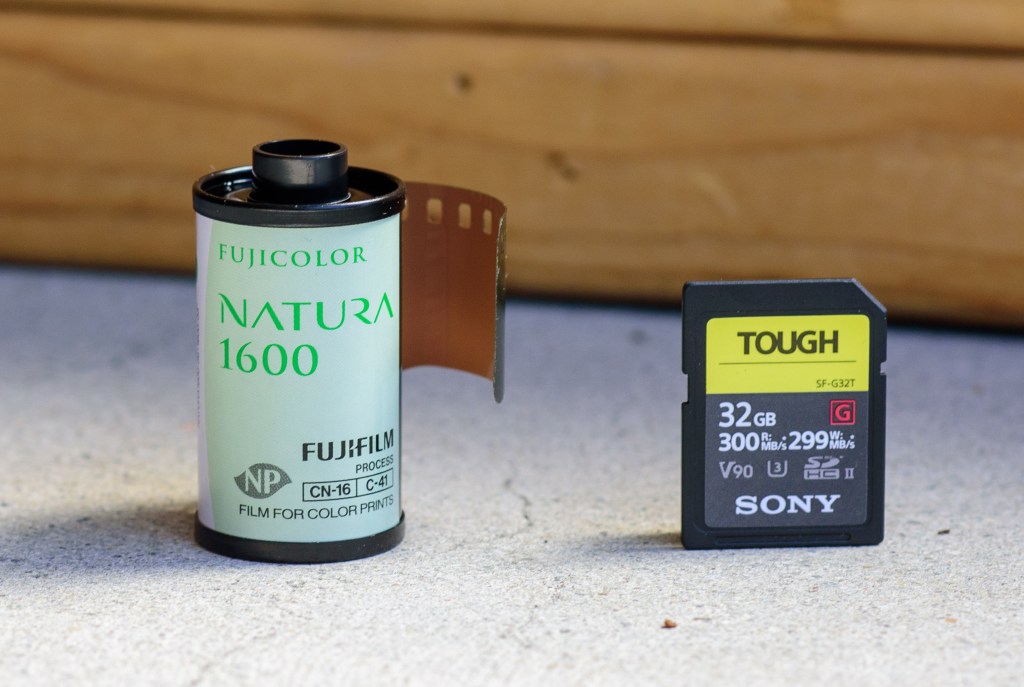
Previously, cinema and film in its literal sense was dominant but now we are in a rapid flux of media as an environment, and some filmmakers choose to reflect on this through the use of 35mm which might create a different perceptive process in the viewer, which also shows that as terms, analog and digital have been “reduced to a simplistic dichotomy of mutually exclusive concepts”. Sobchack in fact considers digitization as a process of deprivation and disembodiment, where indexicality is no longer present, though this attendance to a nostalgia for the look and feel of 35mm exists. Different theorists have noticed the romanticization and fetishization of analogue media in contemporary media cultures, and therefore for obsolete mediation and what Laura Marks calls “analog nostalgia”.
Dominic Schrey in his essay “Analogue nostalgia and the Aesthetics of Digital Remediation” says that it’s not about a refusal of digital technologies and going back to a different temporal context, but about the “digital remediation of analogue aesthetics within the digital.” which also explains why this nostalgia is mostly prevalent among those working in an already fully digital world. For example, The use of 35mm is seen a lot in A24 films like those of Sean Baker, which is a production company that has had its meaning shifted by these emerging film cultures and considerations for auteurship and has become less of a company and more of an aesthetic and narrative genre with a particular closeness to a sense of “seriousness” and auteur-ship in film culture. Baker himself says celluloid as a medium is dying and being abandoned and says this is frustrating for him. He also has said that he was being considered the guy who uses iPhone, so he decided to use 35mm film for his next project, and generally that 35mm is aesthetically more interesting but that all mediums are important. In “Crazy Cameras, Discorrelated Images, and the Post- Perceptual Mediation of Post-Cinematic Affect” Shane Denson also says with the use of analog media, “there’s something pornographic about the images— movies filmed in 35mm suddenly look like a video-based telenovela or low-budget reality show”.
It might be because people would want to work more practically and be more in touch with the technology and equipment, or might be that the perfect sharpness of digital is too perfect. I would argue it is mostly about aesthetics and affective nostalgia and commerciability to emerging film cultures, since for example it is likely that a large production might have the budget to shoot on film, though would then digitize it to edit for convenience. A24 has had massive success in recent years financially and also in terms of status and recognition, and to uphold this and appeal to mass audiences it tries to take advantage of the discourse and ideas of it to bring these practices into it.
References
Schrey, Dominik. “Analogue Nostalgia and the Aesthetics of Digital Remediation.” Media and Nostalgia, 2014, pp. 27–38, https://doi.org/10.1057/9781137375889_2.
“How Movies Are Shot on Film in the Digital Era.” In Depth Cine, www.indepthcine.com/videos/how-movies-are-shot-on-film.
Shane Denson & Julia Leyda (eds), Post-Cinema: Theorizing 21st-Century Film (Falmer: REFRAME Books, 2016).
Cami Sarram 33737747
 Digital Audiovisual Media Class Blog
Leave a comment