33707710
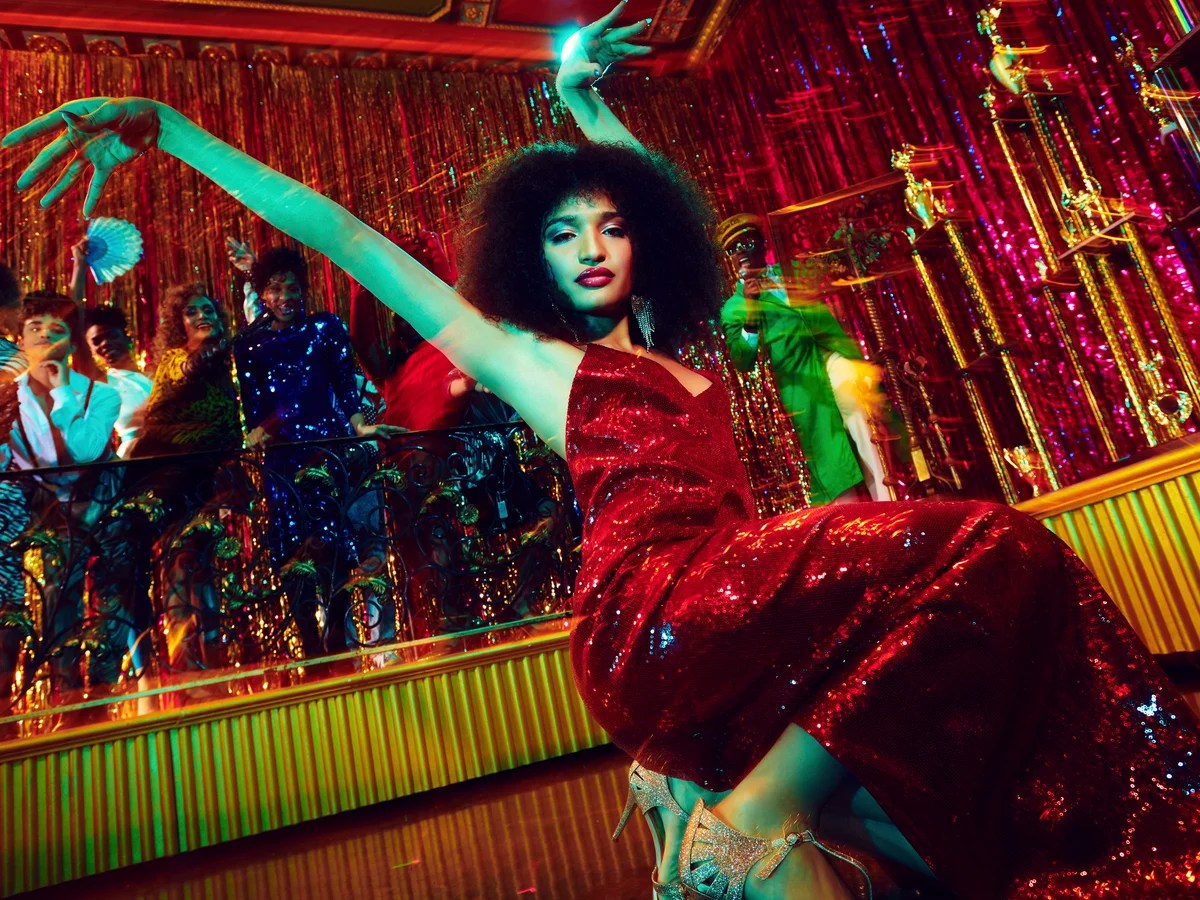
Ryan murphys groundbreaking series Pose is a show that helps capture the joys and struggles of the LGBTQ+ characters, particularly black and latinx women within 1980’s New York. What Michael Goddard and Christopher Hogg describe as “trasning television” is showen throughout from its innovative aestehtics to authentic representation but the main thing is the focus on margianlised voice(2018). By prioritising trans narraritves within the mainstream and using the ballroom scene as a central framework, the show aligns with the contemporary discussions within the discussion on transformative power of digital and internet driven television aesthetics. The ballroom sequence within the show presents this aesthetic shift , creating what Shaviro (2011) describes as a “kaleidoscopic” experience as the scene has, vibrant costumes, music and even the choreography which helps immerse the viewer in a world of queer joy and defiance.
This show is one of the first mainstream series’s to cas trans actors in leading roles whihc include MJ Rodriguez as Blanca and Indya Moore as Angel as Pose goes beyond the surface level of representation and offers narratives that show experiences of trans women of colour whilst highlight the intersectionality of race gender and class whidch is also adressed within Koch-Rein, Yekani and Velinderns(2020) crtique of trans visibility which they argue often celebrated without addressing systemic inequities.
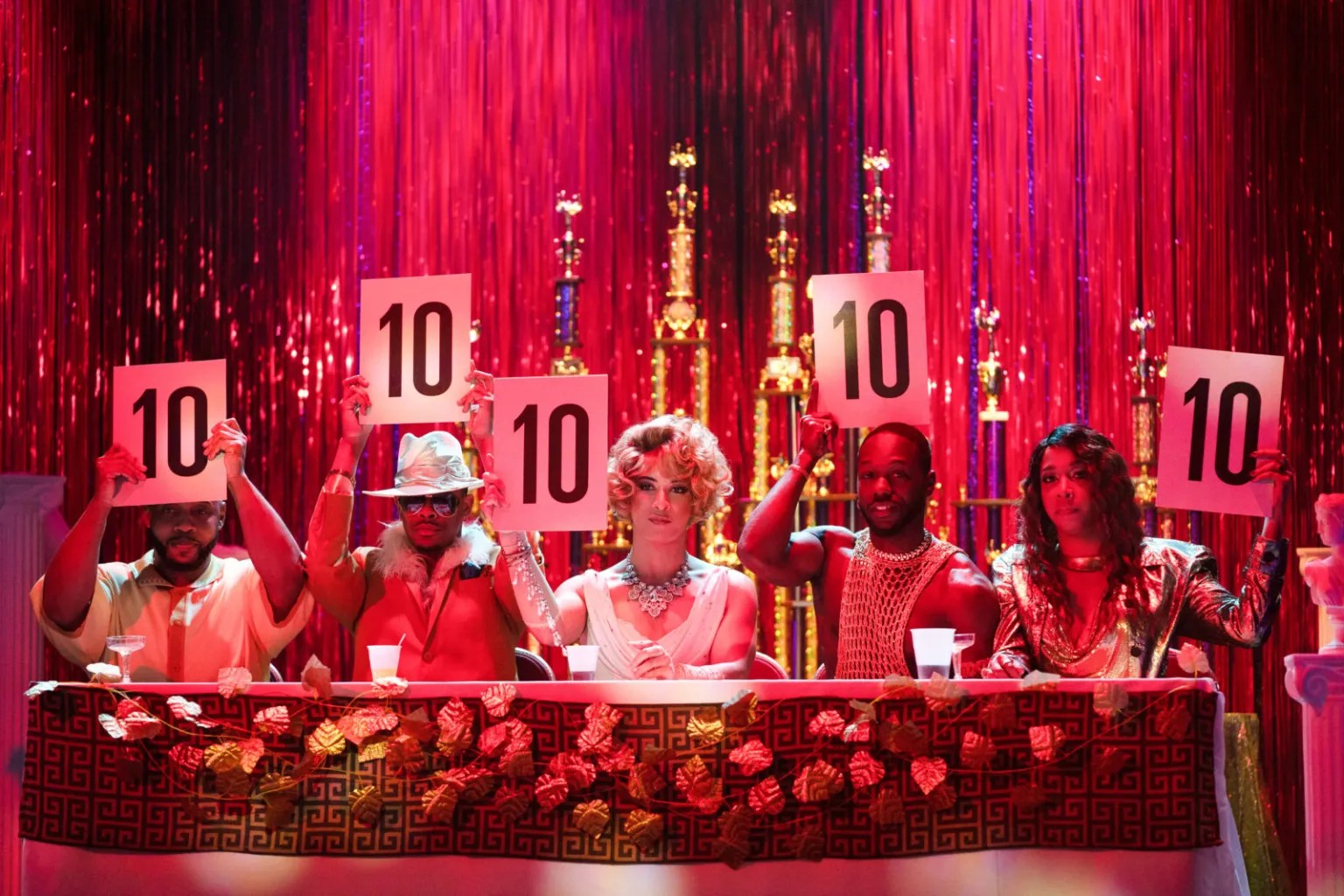
From a person perspective the characters within this show resonate most deeply because of how multidimensional they are, their truffles with systemic oppression balanced with moments of joy and triumph whilst also challenging stereotypes about trans lives.
Personally, I find the ballroom scenes transformative. They capture the vitality of queer subcultures while reimagining television aesthetics to celebrate fluidity and self-expression. This aligns with Villarejo’s (2016) concept of “revolutiondsary television,” as Pose uses form and content to challenge traditional boundaries and foreground narratives of empowerment.
While Posei is considered revolutionary in many respects, it also raises questions about the commodification of trans narratives within the mainstream media. Koch-Rein et al. (2020) caution against equating visibility with equity, a critique that invites deeper reflection on how much systemic change Pose fosters outside of its cultural impact.
Goddard, M., & Hogg, C. (2018). Introduction: Trans TV as concept and intervention into contemporary television. Critical Studies in Television, 13(4), 379–388. Available at: https://journals.sagepub.com/doi/full/10.1177/1749602018798217
Koch-Rein, A., Yekani, E. H., & Verlindern, J. (2020). Representing Trans: Visibility and its discontents. European Journal of English Studies, 24(1), 1–13.
Shaviro, S. (2011). Post-Continuity: An Introduction. In S. Shaviro (Ed.), Post-Cinema: Theorizing 21st-Century Film(pp. 51–64). REFRAME Books.Villarejo, A. (2016). Jewish, Queerish, Trans and Completely Revolutionary: Jill Soloway’s Transparent and the New Television. Film Quarterly, 69(4), 35–41.
 Digital Audiovisual Media Class Blog
Leave a comment