In the landscape of contemporary television, the emergence of ‘Trans TV’ signifies a pivotal shift in representation, aesthetics, and identity. This phenomenon, as discussed in our lecture on ‘Trans TV: The Potentials and Challenges of Representation on New Digital Platforms’, underscores the transformative impact of internet-distributed television on traditional televisual content. The rise of platforms like Netflix has not only revolutionized the way we consume media but has also opened doors to more diverse and nuanced portrayals of gender and sexuality.
The concept of ‘Trans TV’ encapsulates the intersection of technological advancements and creative innovation, challenging conventional norms and expanding the horizons of storytelling. Shows like ‘Sense8’, ‘Transparent’, ‘Pose’, and ‘Euphoria’ have been at the forefront of this movement, featuring transgender characters and queer narratives that were once relegated to the margins.
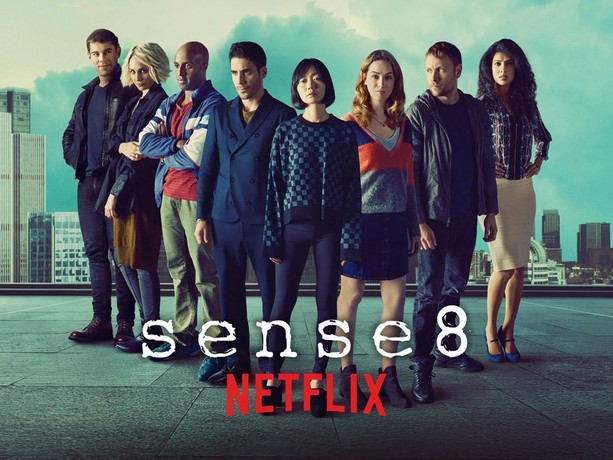
The concept of ‘Trans TV’ encapsulates the intersection of technological advancements and creative innovation, challenging conventional norms and expanding the horizons of storytelling. Shows like ‘Sense8’, ‘Transparent’, ‘Pose’, and ‘Euphoria’ have been at the forefront of this movement, featuring transgender characters and queer narratives that were once relegated to the margins.

‘A Fantastic Woman’ (2017), a Chilean film, is a testament to the global impact of ‘Trans TV’. It tells the story of a transgender woman, Marina, who faces prejudice and discrimination after the sudden death of her partner. The film’s narrative is a powerful exploration of identity, love, and the struggle for acceptance. Marina’s journey is not only a personal one but also a societal commentary on the transgender experience, reflecting the broader themes present in ‘Trans TV’.
The aesthetic approach in ‘A Fantastic Woman’ is as compelling as its narrative. The film employs a realistic style that immerses viewers in Marina’s world, highlighting the subtleties of her interactions and the stark reality of her struggles. This aesthetic choice aligns with the ‘Trans TV’ movement’s aim to present transgender characters in a more authentic and complex light, moving away from sensationalism and towards a deeper understanding.
The film’s impact is further amplified by its representational practices. ‘A Fantastic Woman’ features a transgender actress, Daniela Vega, in the lead role, which is a significant step towards authentic representation. This casting choice is in line with the ‘Trans TV’ ethos of empowering marginalized voices and providing a platform for their stories to be told in their own words.
In recommending ‘A Fantastic Woman’, we not only celebrate its artistic achievements but also its role in advancing the ‘Trans TV’ narrative. The film serves as a bridge between the cinematic and televisual realms, demonstrating how the convergence of digital platforms and creative expression can lead to a more inclusive and representative media landscape.
As we continue to explore the potentials and challenges of ‘Trans TV’, films and shows like ‘A Fantastic Woman’ are crucial in shaping the discourse. They push the boundaries of traditional storytelling, offering a more diverse and authentic portrayal of transgender experiences. The ‘Trans TV’ movement is not just about representation; it’s about redefining the very essence of television, making it more reflective of the diverse world we live in.:”Trans TV: Aesthetics & Identity”.
reference:
Goddard, M. and Hogg, C. (2018) ‘Introduction: Trans TV as concept and intervention into contemporary television’, Critical Studies in Television, 13(4)
Goddard, M. and Hogg, C. (2020) ‘Introduction: Trans TV Re-evaluated part II’, Trans TV Dossier 3, Critical Studies in Television, 15(3).
Horvat, A. (n.d.) ‘Crossing the Borders of Queer TV: Depictions of migration and (im)mobility in contemporary LGBTQ television’, Trans TV Dossier 3, Critical Studies in Television, 15(3).
Editor:Qiutong Shen – 33842865
 Digital Audiovisual Media Class Blog
Leave a comment