“What is going on my gorgeous dudes, dudettes and non-binary(s) of the interweb, thank you so much for clicking to my channel” is how the popular YouTube reactor AJay kicks off most of her videos. The playful greeting sets the tone for a deeply affective and community-driven channel AJay Deluxe (formerly AJayll) which focuses solely on music reaction. Similarly Zach Campbell, another fan favourite has cemented his place in the pop culture landscape with clips of his reactions still circulating in social media channels, often as responses of some kind.

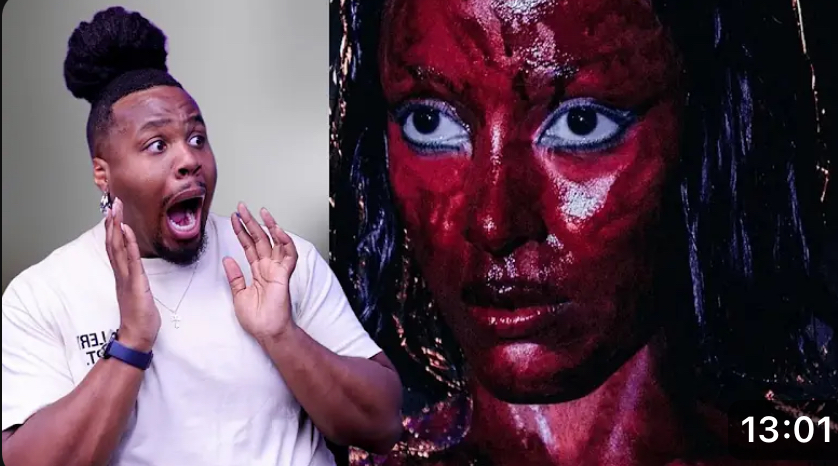
As explained by Byrd McDaniel (2021), reaction videos showcase how music is able to engage with audiences, emphasising on the unfiltered ways in which it moves the listener. On that note, reactors like Ajay and Zach Campbell do more than just “react” to music, they mediate the experience of listening in a way that the embodied experience becomes their signature styles(for example: AJay is also widely known for her bandanas and bows in the background), drawing audiences who seek authentic and shared emotional connections to the music that they love. Therefore, both creators have amassed a million and almost 700K subscribers respectively as a result of their affective performances.
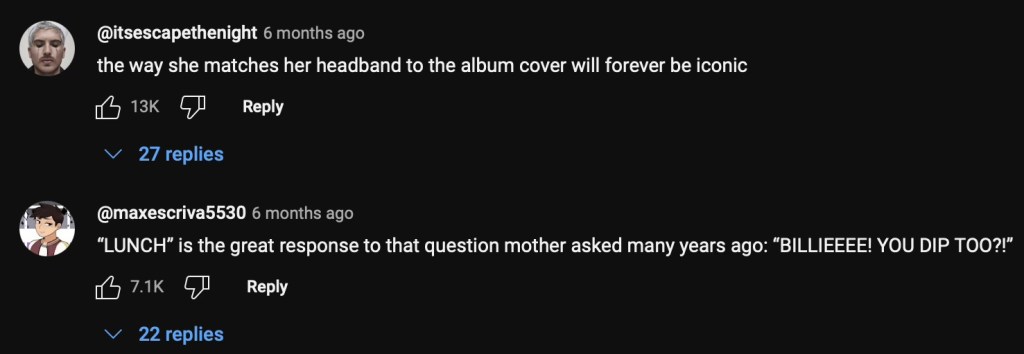

The two creators who started off their YouTube journey at different time periods have been successful in their own right by leveraging the transactional platform while also navigating the challenges that come with it. Furthermore, as Glatt and Banet-Weiser (2021) describe YouTube’s economy of visibility, they are required to produce consistent content that aligns with the audience’s expectations while also handling the algorithmic nature of the platform. They have maintained their relevance by not only quickly responding to trending music but also taking a deep dive into artists that they had never previously listened to. Moreover, Glatt and Banet-Weiser’s (2021) observation on YouTube leading to the amplification of diverse voices far beyond traditional media is reflected here with AJay and Zach being Black creators (Zach Campbell also identifies as queer). Their identities have fostered a very strong sense of community within their channels.
Both AJay and Zach are known to have bold personalities and inject humour or genuine emotion into their reactions, connecting the creators and viewers in a network of affective exchange (McDaniel, 2021). It is hard not to laugh hysterically at their reactions to albums like Brat by Charlie XCX or Beyoncé’s lemonade. While it is true that some of their reactions draw on the affects of sadness/ nostalgia and surprise/shock towards artists they have listened to before, I would say that their primary rise to popularity has been due to their affective performances of humour and delight. However, as many scholars have discussed before, the issues with YouTube when it comes to copyrights and demonetisation has led to both creators in the last couple of years navigating it with cutting their videos short and opening up patreon accounts. Zach Campbell has also ventured into other avenues like Pop Culture Commentary, making his own music and even interviewing other artists. AJay on the other hand has limited her visibility on YouTube and only posts reactions to popular albums on her channel, shifting her focus to exclusivity on her patreon account (in addition to having no social media presence).
Ultimately, the popularity of AJay and Zach Campbell neatly reflect the intertwining and complex nature of affective economies and creator labour on YouTube. Their success can be attributed to their “authenticity” in addition to their navigation of copyright holders and the inequitable ways through which they suppress creative practices on the platform.
Referece List:
Glatt, Z., & Banet-Weiser, S. (2021). Productive ambivalence, economies of visibility, and the political potential of feminist YouTubers. In S. Cunningham & D. Craig (Eds.), Creator culture: An introduction to global social media entertainment. NYU Press.
McDaniel, B. (2021). Popular music reaction videos: Reactivity, creator labor, and the performance of listening online. New Media & Society, 23(6), 1624-1641. https://doi.org/10.1177/1461444820918549
Paarth Pande, 33811391
 Digital Audiovisual Media Class Blog
Leave a comment