Garv Taneja, aka Chaar Diwaari (Four Walls), is a new artist who is currently gaining popularity in New Delhi for his innovative approach to music, blending elements of Bollywood Pop with Indie Experimental Music to create distinctive sounds that challenge conventional norms in art (Saxena, 2023).
His music video #LOVSEXDHOKA!!! perfectly aligns with Vernalli’s (2013) insights on the evolution of music videos. Vernalli notes that music videos have shifted from the heavily curated era of MTV to more democratised platforms like YouTube, where content is less monitored and more diverse (Vernalli, 2013). #LOVESEXDHOKA!!! exemplifies this shift, as Chaar Diwaari independently released the track after a positive response to a social media snippet, demonstrating how modern platforms are facilitating the connection between the artists and their audiences (Musiculture, 2024).
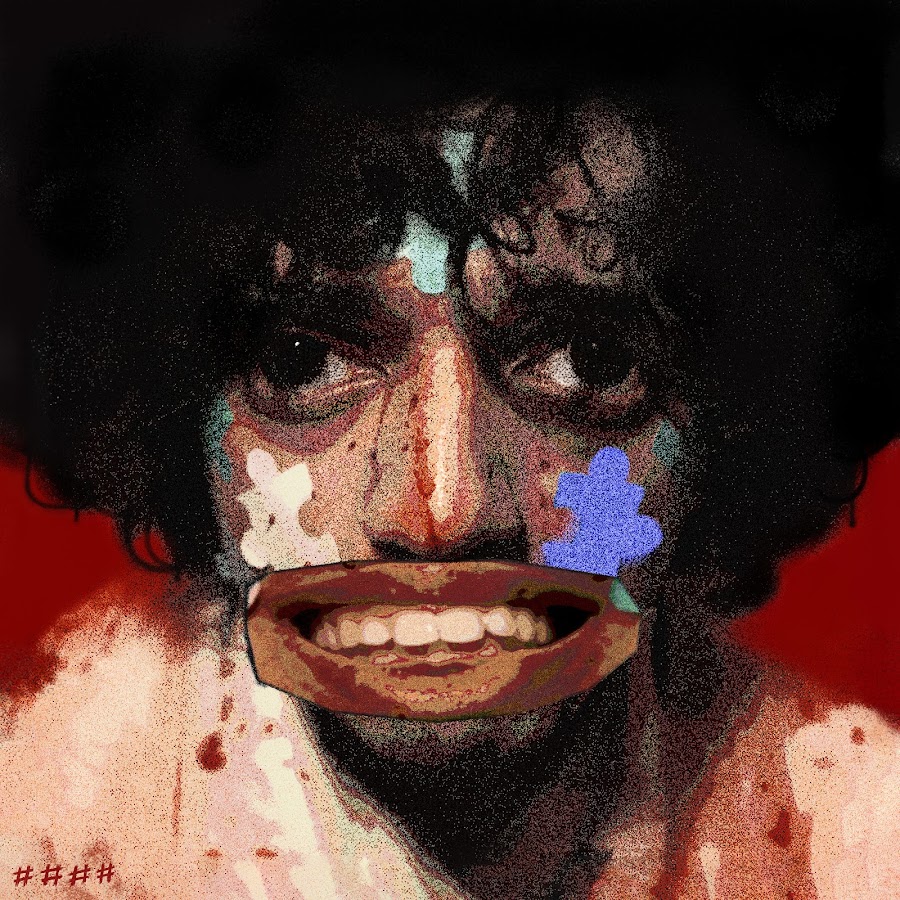
The video also reflects Vernalli’s (2013) observation that contemporary music videos often break away from traditional narrative structures. #LOVESEXDHOKA!!! is a music video with a cinematic storyline that gives us the impression of recreating a short film. Featuring actors like Pradeep Kabra and Arpit Bala, the video presented a visually rich narrative fragmented into three parts that embraced the “drama and effect” present in contemporary music videos. The song explores themes of physical love, sex, betrayal (Dohka) and chaos generated from his incapability to process that Reema would have never loved him if not for his money, leading to the murder scene (Musiculture, 2024; the quint, 2024). Chaar Diwaari uses a vibrant colour palette to enhance the passion and emotional intensity of the song. Warm colours like red and orange combine darker tones like blue and black, reflecting the contrasting feelings within the narrative between desire and betrayal. This visual impact is further amplified through dynamic camera movements, featuring fast-paced, rhythmic shots that mirror the music’s chaotic and passionate undertones.

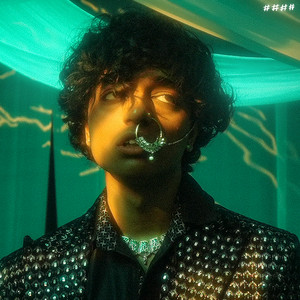
Moreover, #LOVESEXDHOKA!!! exemplifies Vernalli’s (2013) discussion of intertextuality. This song was initially created for Dibakar Banerjee’s LSD 2, a sequel to the homonymous iconic 2010 film, showing us how music videos can bridge different media forms. Unfortunately, “LOVESEXDHOKA!!!” was rejected by Bollywood (The Quint, 2024). However, from its meaningful themes to its stunning shots and small symbolic details – such as the use of colours, lighting, the triple 7 (symbol of manifestation and abundance that reflects the lottery win), and the ####, a clever paragram of his own artistic name – Chaar Diwaari has proven that Gen-Z can still produce meaningful and deep content.
Written by: Autilia Federica Spiezia (33747963)
Bibliography:
MusiCulture (2024) Chaar Diwaari releases ‘Lovesexdhoka !!!’: A short film & a music video fusion, MusiCulture. Available at: https://www.musiculture.in/chaar-diwaari-releases-lovesexdhoka-a-short-film-a-music-video-fusion/?utm_source=chatgpt.com (Accessed: 29 November 2024).
Saxena, S. (2023) The four walls of ‘Chaar Diwaari’, Asian Voice. Available at: https://www.asian-voice.com/News/UK/The-four-walls-of-%E2%80%98Chaar-Diwaari%E2%80%99?utm_source=chatgpt.com (Accessed: 29 November 2024).
The Quint, T.Q. (2024) ‘I am a Culture Vulture’: Chaar Diwaari on Hip Hop, Upcoming EP, Internet Culture | Podcast, YouTube. Available at: https://youtu.be/w-ASbuTksO8?si=c8MveCLznaCHCQ5i (Accessed: 29 November 2024).
Vernallis, C. (2013) ‘Music Video’s second aesthetic?’, Unruly Media, pp. 207–233. doi:10.1093/acprof:oso/9780199766994.003.0010.
 Digital Audiovisual Media Class Blog
Leave a comment