Horror films have historically been able to create an illusion of discomfort and fear through many different genre-specific editing techniques. While Cinematic Apparatus theory has been criticised for being outdated or perhaps too straightforward in the context of modern television, there are some key principles which remain relevant in contemporary examples.
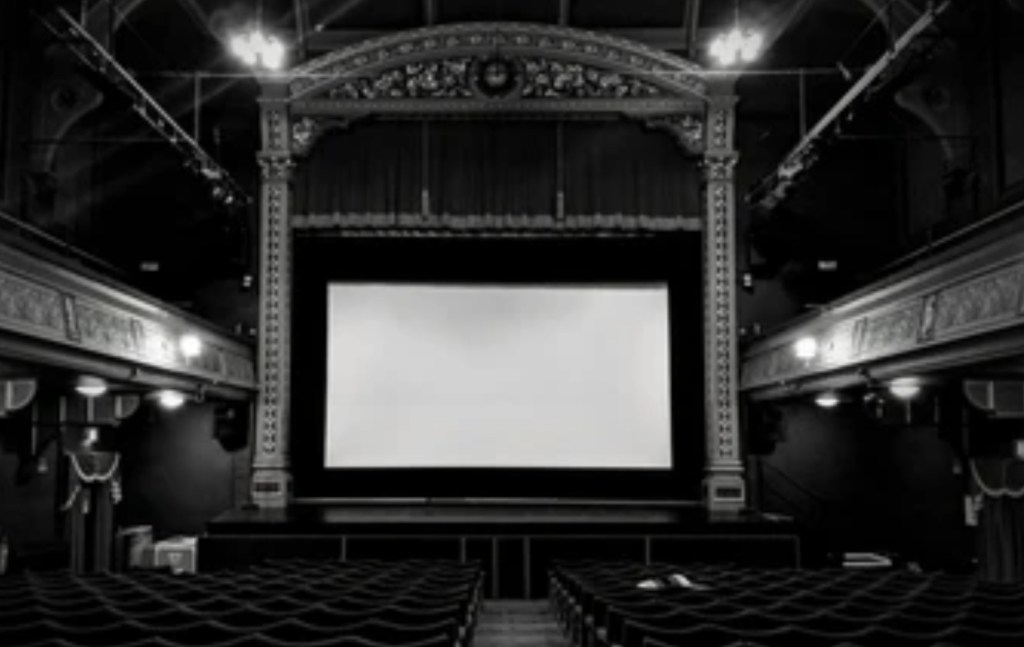
Jean-Louis Baudry’s text “Ideological Effects of the Basic Cinematographic Apparatus” (1970) discusses the foundational principles of Cinematic Apparatus Theory. Notably, the similarities between the actual experience of viewing, and the process of how ideology is reinforced and spread within society. People accept dominant ideology as their own if they are led to believe that life will be “better” as a result. An illustrative example of the theory takes place inside a cinema theatre itself; the room is dark, using phones is not permitted and viewers are expected to be quiet during the film. This immerses an audience into the film and detaches them from their lives outside — there is little room for external influences or distractions. Furthermore, the comfortable yet immobile seat gives the viewer a limited amount of space to move within the cinema. The screen itself takes up most of the space in front of them, looking through the camera’s lense. This experience is largely what causes viewers to relate to and identify with certain characters / narratives in each film; they are isolated, focussed and comfortable. As a result, storytellers have taken this into account and viewed their audience as a blank canvas. In terms of the more subliminal techniques such as camera work and editing can convey all kinds of impressions onto a viewer: for example, low-angle camera shots used for somebody with authority or of high regard.
Baudry, J.-L., & Williams, A. (1974). Ideological Effects of the Basic Cinematographic Apparatus. Film Quarterly, 28(2), 39–47. https://doi.org/10.2307/1211632
Eve McCabe Eager
 Digital Audiovisual Media Class Blog
Leave a comment